TL;DR
- Client photography (weddings, portraits, commercial, real estate) is still the fastest way to build reliable income, but it’s also the most time-intensive per dollar earned.
- Passive income streams like stock photography and presets pay less per sale but don’t compete for your shooting calendar.
- The photographers who successfully run 3-4 income streams almost always have a system for post-production. Without one, adding revenue streams just adds more editing hours.
- Teaching, mentoring, and second-shooting are underrated ways to earn without buying new gear or marketing to new clients.
- Not every stream fits every photographer. A wedding photographer’s smartest add-on is rarely the same as a product photographer’s.
- Cutting the time you spend culling and editing is often a faster path to more income than taking on more bookings.
Every photographer eventually hits the same wall. You’re booked for weddings most weekends, your inbox is brimming with portrait inquiries, and you’re still checking your bank account wondering why it doesn’t match just how busy you feel.
Now, that’s not a pricing problem. It’s usually a structure problem. Most photographers rely on one or two income sources, so every slow month or missed booking hits the whole business at… once. The photographers who build something more stable are spreading their income across a few different sources, so no single client, season, or algorithm change can sink them.
This guide breaks down 12 realistic ways to make money as a photographer, what each one actually requires, and, just as importantly, what it costs you in time. Because most photographers are like idea machines with a ‘there-are-only-24-hours-in-a-day’ problem. Let’s get into it!
Why “More Clients” Isn’t Always The Right Answer
Most articles on this topic treat photography income as a menu: pick a few items, add them up, and you’re done. In practice, income streams aren’t interchangeable. Each one comes with a different time cost, and that cost usually shows up after the shoot, not during it.
A wedding brings in more money per booking than almost anything else on this list. It also produces 2,000 to 5,000 images that need to be culled, edited, and delivered. Stock photography pays a fraction of that per image, but once a photo is uploaded, it can sell for years without you touching it again.
This is the part most “ways to make money in photography” guides skip. They’ll tell you to add a course, sell presets, and shoot more weddings, without mentioning that all three compete for the same limited hours in your week. Before adding a revenue stream, ask yourself this one question: is this going to add income, or is it going to add editing?
12 Realistic Revenue Streams For Photographers
1. Wedding and event photography
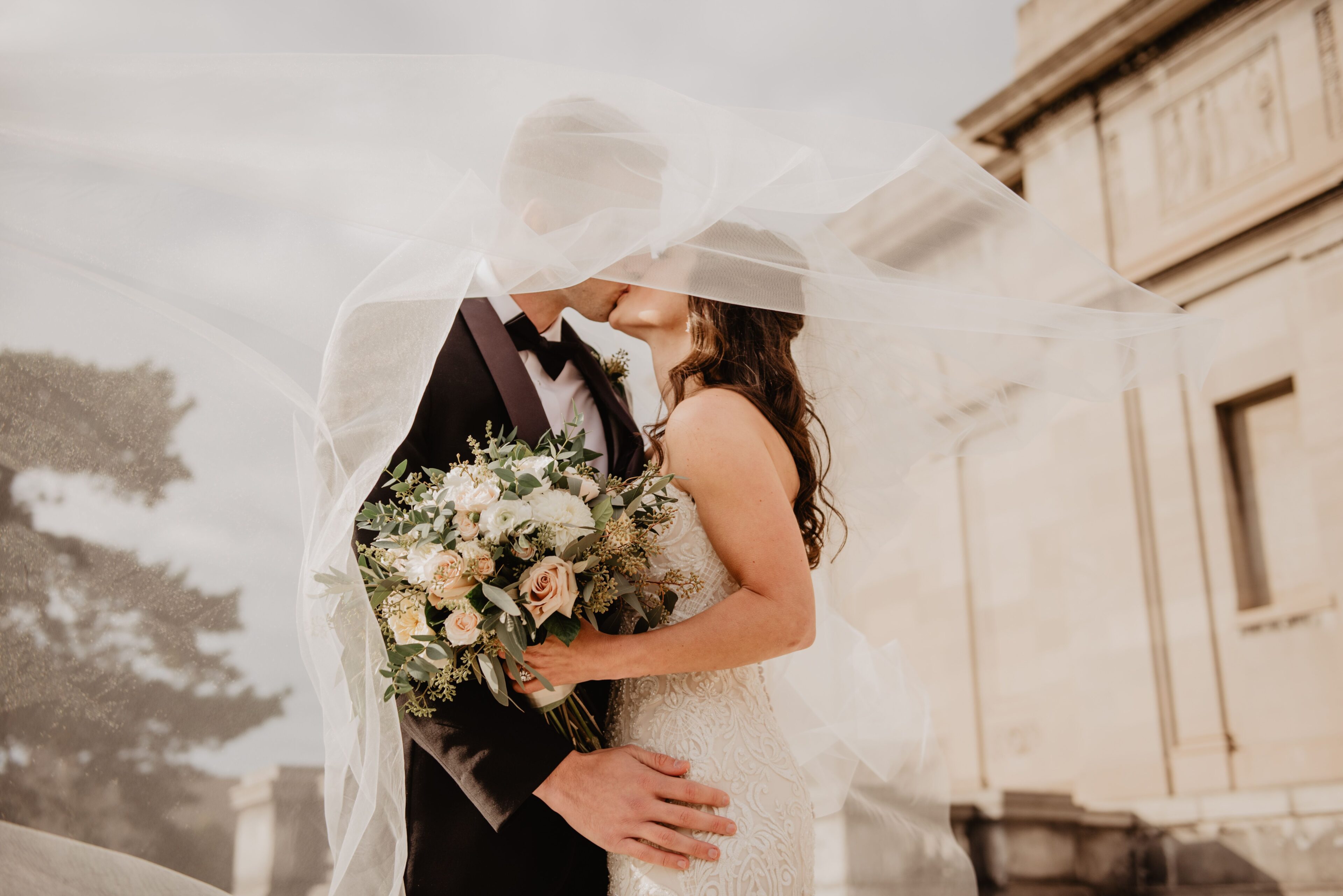
Weddings remain one of the highest-paying, most consistent sources of income for professional photographers, especially once you have clear, well-structured packages. If you haven’t formalized your offerings yet, it’s worth reading a full breakdown of wedding photography packages before you start pricing.
Weddings also carry the heaviest post-production load of anything on this list. A single wedding weekend can leave you with more images to review than a month of portrait sessions combined, which is exactly why so many wedding photographers describe editing, not shooting, as the part of the job that eats their weekends.
2. Portrait and family sessions
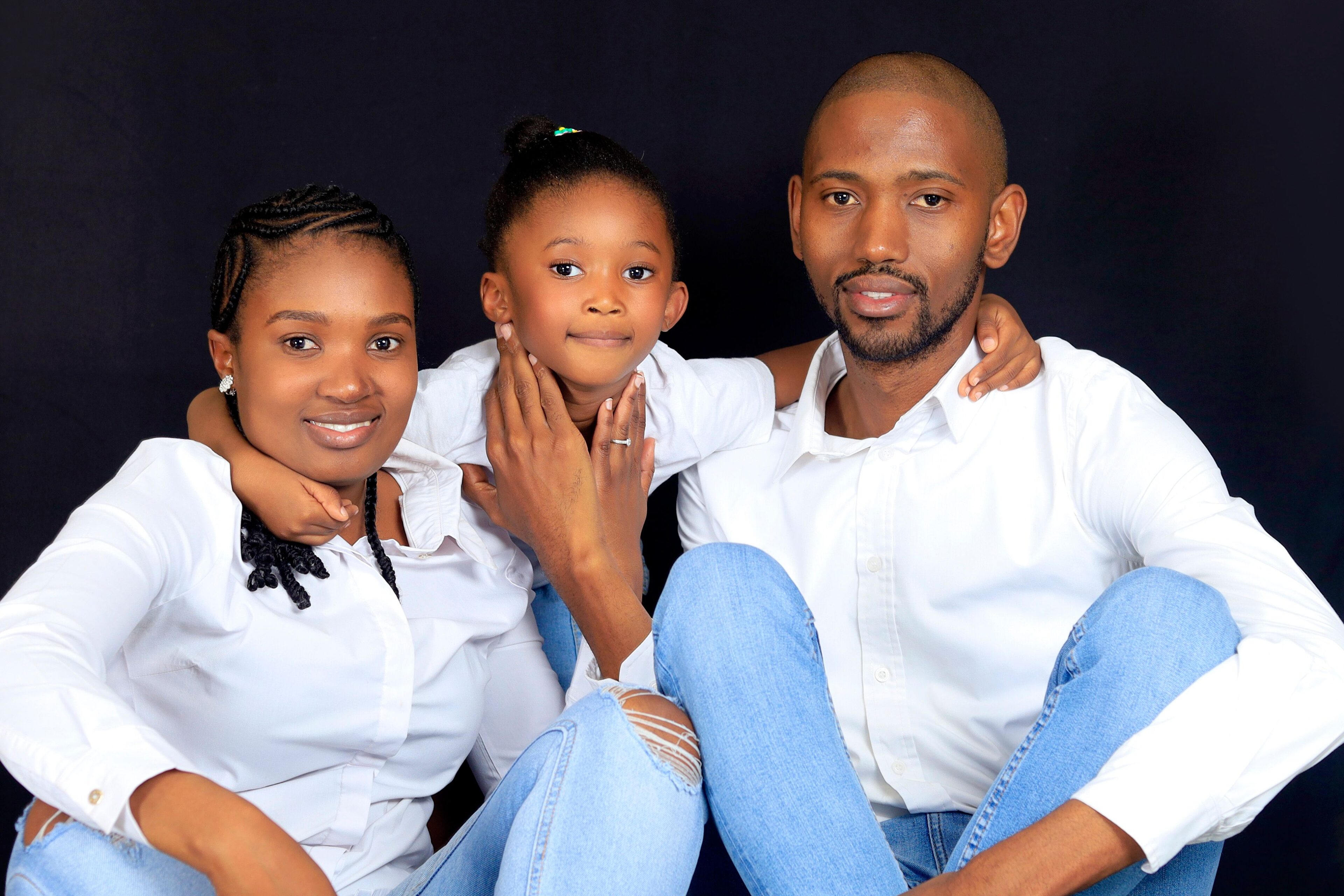
Portrait work is one of the easiest ways to start earning as a photographer because the barrier to entry is low. You don’t need a studio, a second shooter, or a full day of coverage. A single evening of golden-hour sessions can produce steady income with a fraction of the editing time a wedding requires.
These sessions work well because most of them are shorter, turnaround expectations are faster, and clients are usually easier to book repeat business from than one-time wedding clients.
3. Commercial and branded photography

Businesses need photos constantly: product shots, headshots, social content, website imagery. Commercial clients typically pay more per hour than individual consumers, and the work is often less emotionally demanding than event photography.
The trade-off is consistency in style. Commercial clients expect every image in a set to look identical in tone, color, and exposure, which means editing accuracy matters more here than almost anywhere else on this list.
4. Real estate and architectural photography

Real estate and architecture photography has one of the fastest turnaround expectations in the industry. Agents often need edited galleries within 24 hours of a shoot, sometimes sooner. That speed requirement makes it a strong, repeatable income source, but only if your editing workflow can actually keep up with same-day delivery.
5. Stock photography and licensing
Selling images through platforms like Adobe Stock, Shutterstock, or Getty Images is the closest thing to true passive income on this list. You upload once, and the image can sell indefinitely.
The downside is scale. Individual sales are small, sometimes under a dollar, so this works best as a background revenue stream built from your existing archive rather than a primary source of income.
6. Print and product sales

Selling prints, canvases, or photo books turns existing images into new revenue without booking a single new client. Many photographers underuse this stream simply because they never build a storefront for their older work.
Set it up once and keep selling repeatedly. A simple print shop connected to your portfolio site can generate income from sessions you shot months or years ago.
7. Teaching, workshops, and mentoring
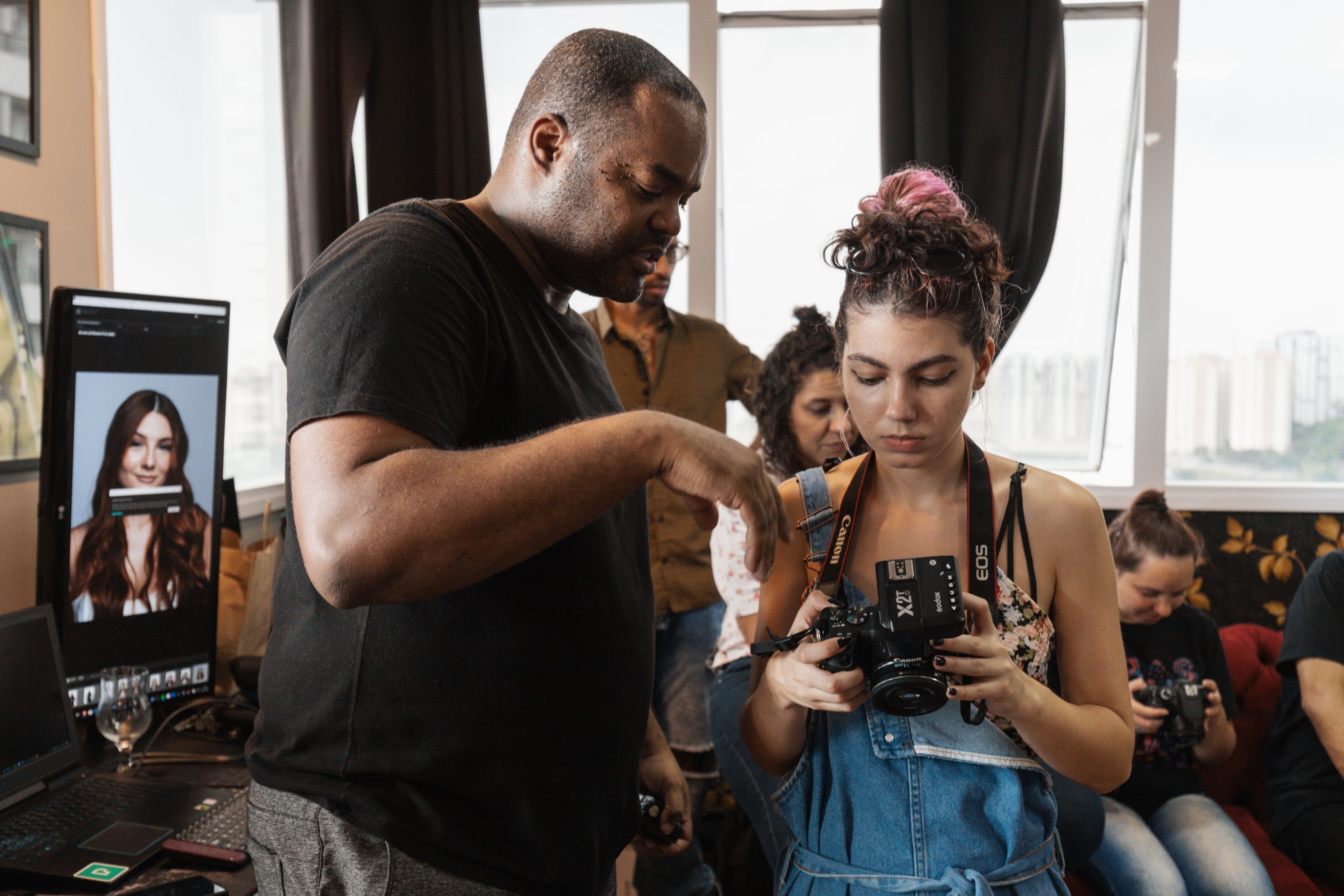
Experienced photographers can earn well by teaching what they already know, through one-on-one mentoring, in-person workshops, or online courses. This works especially well for photographers with a distinct style or niche, since newer photographers are often willing to pay for a shortcut past years of trial and error.
Teaching income scales differently than client work. A single course can be sold hundreds of times without adding hours to your calendar, once it’s built.
8. Presets, LUTs, and editing tools

If your editing style gets noticed, packaging it as a preset pack is a low-effort way to monetize something you’re already creating. This works particularly well for photographers whose edits have a signature look, since buyers are essentially paying to shortcut their own editing process.
👁️ Also check out: Our collection of pre-built AI Styles
9. Second shooting and associate work
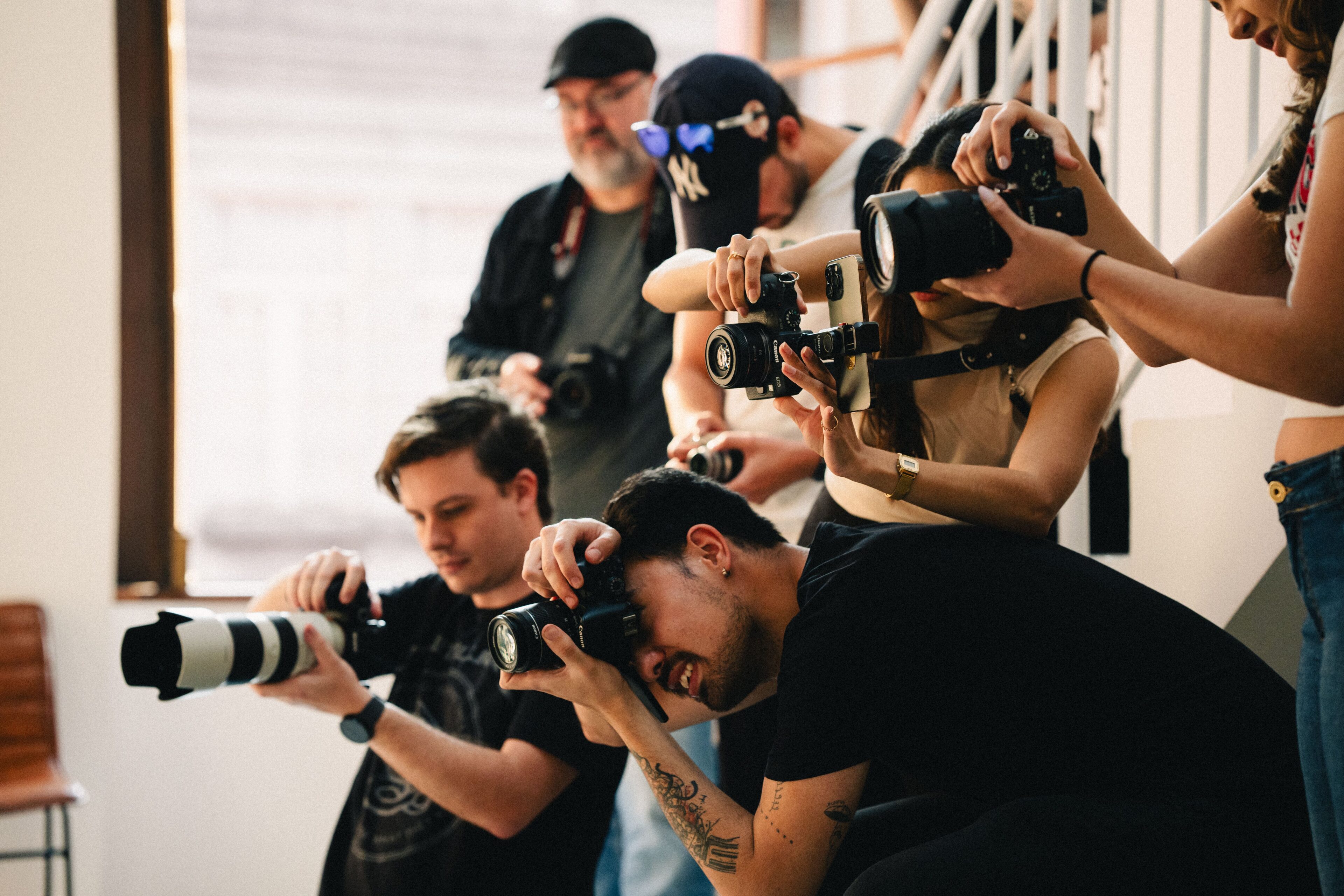
Second shooting for established photographers is one of the most overlooked ways to earn consistent income, especially for newer photographers who haven’t built a client base yet. It pays a flat rate, requires no marketing, and often includes editing done entirely by the lead photographer.
👁️ Also Read: How to be a second shooter?
10. Editing and retouching services for other photographers

Photographers who are strong editors, but don’t necessarily want to shoot every weekend, can earn by editing for other photographers. Wedding and portrait photographers frequently outsource editing during peak season, which creates steady demand for reliable, consistent retouching work.
11. Affiliate partnerships and referrals

Recommending gear, software, or services you genuinely use can create a small, ongoing income stream. This won’t replace client income, but it compounds over time, especially for photographers with an active audience on YouTube, Instagram, or a blog.
12. Licensing to editorial and publications
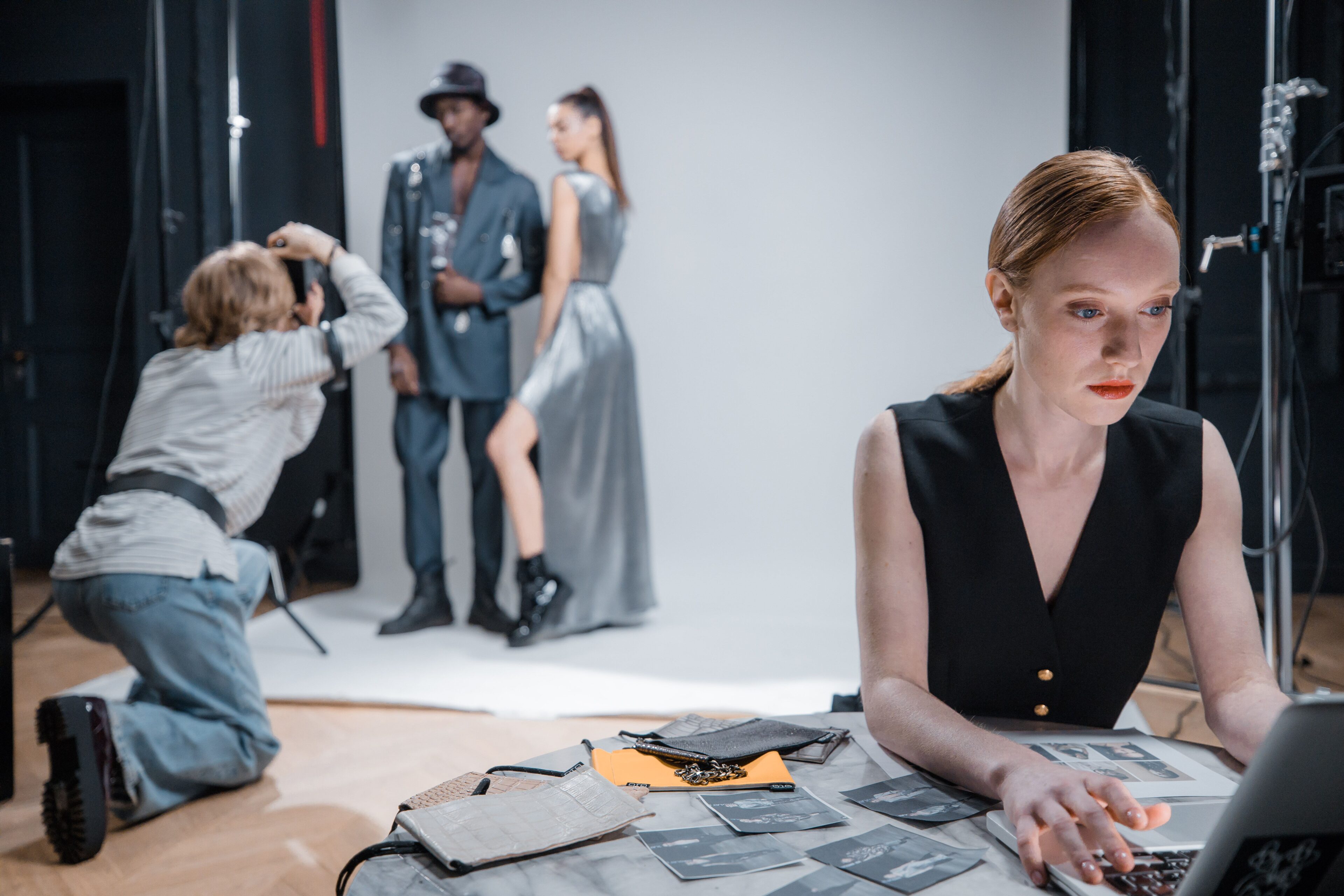
Magazines, newsroom sites, and content platforms regularly license images from independent photographers, particularly for travel, events, and human-interest stories. It’s inconsistent as a primary income source, but it’s a strong way to monetize work you’ve already shot for yourself.
Get Your Time Back with Aftershoot
Every stream on this list costs you something in hours, and for most photographers, those hours are already spoken for by culling and editing your core client work. The fastest way to free up time for a print shop, a course, or a second niche isn’t to work later into the night, and get panda eyes. It’s to spend less time on the repetitive parts of the job you’re already doing.
The photographers who successfully run three or four of these streams at once usually have one thing in common: they’ve cut down the hours they spend on repetitive post-production work. Culling a wedding by hand can take four to six hours. Editing that same gallery by hand can take another eight to fifteen. That’s before you’ve touched a print order, a course module, or a second-shoot gig.
This is where a tool like Aftershoot comes in.
- AI Culling. Sorting through a wedding gallery by hand can take four to six hours before you’ve even started editing. Aftershoot’s AI Culling reviews thousands of images for sharpness, expression, and duplicates, and surfaces your best shots in minutes instead. That’s an entire evening back, every single shoot.
- AI Editing. Getting a consistent look across hundreds of images is what makes commercial and portrait clients come back. Aftershoot’s AI Editing applies your editing style across a full gallery automatically, so a branded shoot or a portrait session doesn’t need a second late night to get the color and tone consistent.
- AI Retouching. Portrait and wedding client galleries often need skin and detail retouching applied one image at a time. Aftershoot’s AI Retouching handles that pass automatically, so you’re not manually retouching 400 portraits before you can even think about starting the next project.
- Galleries. Delivering client work shouldn’t eat into the time you’d otherwise spend building a second income stream. Aftershoot Galleries lets you deliver, and get paid, without juggling a separate delivery platform. Start free with the Starter plan, get 10 GB of photo storage & 1 GB video. Premium and Unlimited plans scale up from there for photographers delivering larger galleries.
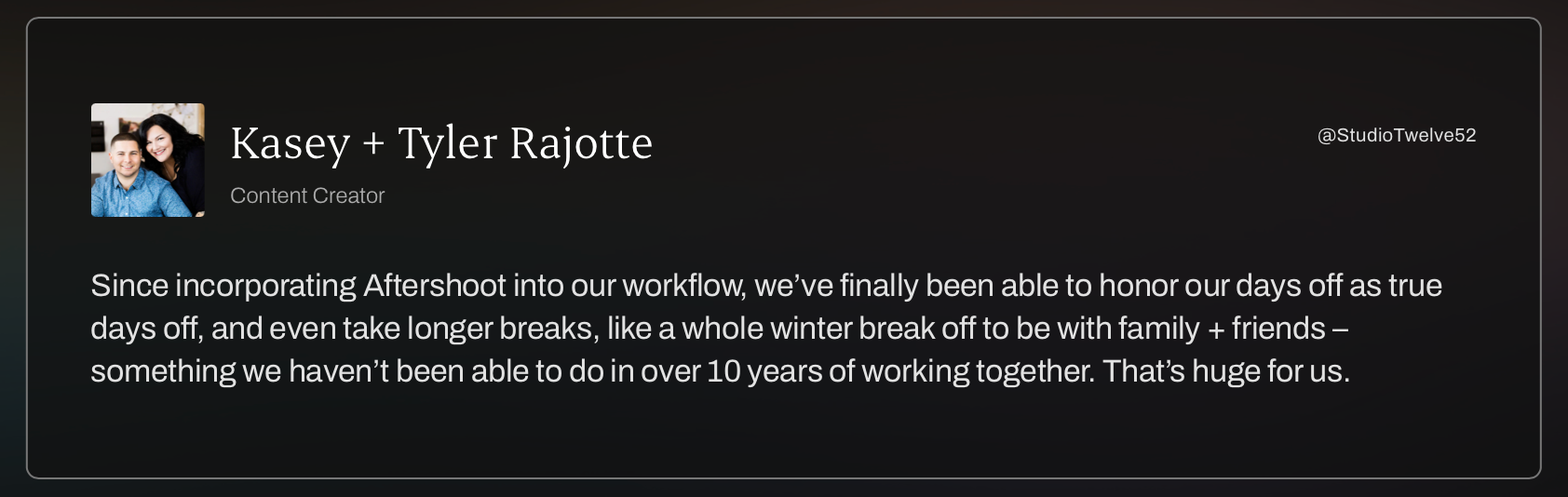
See what Kasey and Tyler Rajotte have to say about adding Aftershoot to their photography workflow.
While we’re on this, I just want to flag that none of this replaces the creative work. It just removes the part of the job that was (mostly) never the reason you picked up a camera, and hands that time back to whichever stream on this list you actually want to build next.
Freeing up these hours is what actually makes stream #6 or #7 possible in the first place, because you finally have the time to build them.
In any case, here’s a quick table that’ll help you decide which additional income stream would work best for you:
| Revenue stream | Time cost per dollar earned | Best for |
| Weddings and events | High | Photographers who want the highest per-booking income |
| Portrait and family sessions | Medium | Building steady, repeatable local income |
| Commercial and branded work | Medium | Photographers who want higher hourly rates |
| Real estate photography | Medium-high (fast turnaround) | Photographers who can deliver quickly |
| Stock photography | Low, but low per-sale income | Building passive income from an existing archive |
| Print and product sales | Low | Monetizing older sessions with no new shoots |
| Teaching and courses | High upfront, low ongoing | Experienced photographers with a distinct style |
| Presets and editing tools | Medium upfront, low ongoing | Photographers with a recognizable edit style |
| Second shooting | Low | Newer photographers building a client base |
| Editing for other photographers | High (ongoing) | Strong editors who prefer not to shoot every week |
| Affiliate and referral income | Low, compounds slowly | Photographers with an existing audience |
| Editorial licensing | Low, inconsistent | Monetizing existing personal or travel work |
In a Nutshell: Build An Income You Can Sustain
If I’m being honest, none of these 12 streams are a shortcut. Every one of them still requires good work, consistent delivery, and a bit of patience before the income becomes predictable. What changes the outcome isn’t picking the “best” stream on this list. It’s being honest about how much time you actually have, and building your post-production workflow to support whatever you add next.
Start with the client work that pays your bills, then layer in one lower-effort stream at a time; print sales, stock, or a preset pack, before committing to something as time-intensive as a full course. And if editing is the bottleneck standing between you and the next stream you want to build, that’s worth solving before you take on anything new.
FAQs for How To Make Money As a Photographer
Q1. What is the most realistic way to make money as a photographer starting out?
Portrait and family sessions are usually the most accessible starting point. They require less gear and coordination than weddings, have faster turnaround expectations, and let you build a portfolio and client base quickly. Second shooting for an established wedding photographer is another low-barrier option that pays without requiring you to market yourself yet.
Q2. How much do photographers typically make per year?
Income varies enormously based on niche, location, and business structure, with full-time professionals ranging from roughly $30,000 to well over $100,000 annually. Photographers who diversify across a few income streams and price based on the value they deliver, rather than hourly rates, tend to land on the higher end of that range.
Q3. Can you make a full-time income from stock photography alone?
For most photographers, no. Stock photography works best as a supplementary income stream built from an existing archive, since individual sales pay very little. It can add up meaningfully over hundreds of images and several years, but it rarely replaces client work as a primary income source.
Q4. How many income streams should a photographer realistically manage?
Most photographers can sustainably manage two to four streams at once, depending on how much post-production time each one requires. Trying to run six or seven simultaneously usually means none of them get done well. It’s more effective to master one core stream, then add lower-effort ones like print sales or presets around it.
Q5. Is teaching photography a good way to make money?
Yes, particularly for photographers with several years of experience and a recognizable style. Workshops and mentoring pay well per session, and a well-built online course can generate income long after it’s created. The upfront time investment is significant, though, so it’s usually a better fit once your primary income stream is already stable.
Q6. Do I need expensive gear to start making money as a photographer?
No. Clients are paying for the final image and the experience of working with you, not your camera model. Many photographers start earning with entry-level gear and reinvest in equipment as income grows. Skill, consistency, and a clear niche matter far more than gear at the start of a photography business.
Q7. What’s the biggest mistake photographers make when trying to diversify income?
Adding new revenue streams without accounting for the extra post-production time they require. A course, a print shop, and a second niche all sound great until they’re competing with client editing for the same evening hours. Solving your culling and editing workflow first makes every other income stream easier to sustain.