TL;DR
- The “best” portrait lens depends on your working distance, subject, and shooting style, not a universal focal length.
- 85mm is the most flattering all-around choice, but 50mm, 105-135mm, and 70-200mm each solve different space and compression problems.
- The best aperture for portrait photography usually falls between f/1.4 and f/2.8, wide enough for background blur without sacrificing focus accuracy.
- You don’t need $1,800 to get a sharp 85mm; third-party options from Sigma and Viltrox deliver similar rendering starting around $500-$600.
- A 50mm f/1.8 remains the most practical portrait lens for beginners, often under $300, delivering pro-level sharpness at a fraction of the cost.
- The lens you choose shapes your image, and how many photos you’ll need to sort through and retouch later.
Ask ten photographers what the best lens for portrait photography is, and you’ll get eleven different answers, and most of them will be right. That’s because the ‘best’ lens isn’t a single piece of glass everyone should own. It’s whichever lens matches your working distance, your subject, and the look you’re actually trying to create.
If you’ve ever bought an 85mm because a YouTuber swears by it, only to find it useless in your cramped home studio, you already know how expensive that little confusion can get.
This guide breaks portrait lenses down by focal length, shooting style, and budget, so you can pick based on how you actually shoot, not just what’s trending.
What actually makes a lens good for portraits?
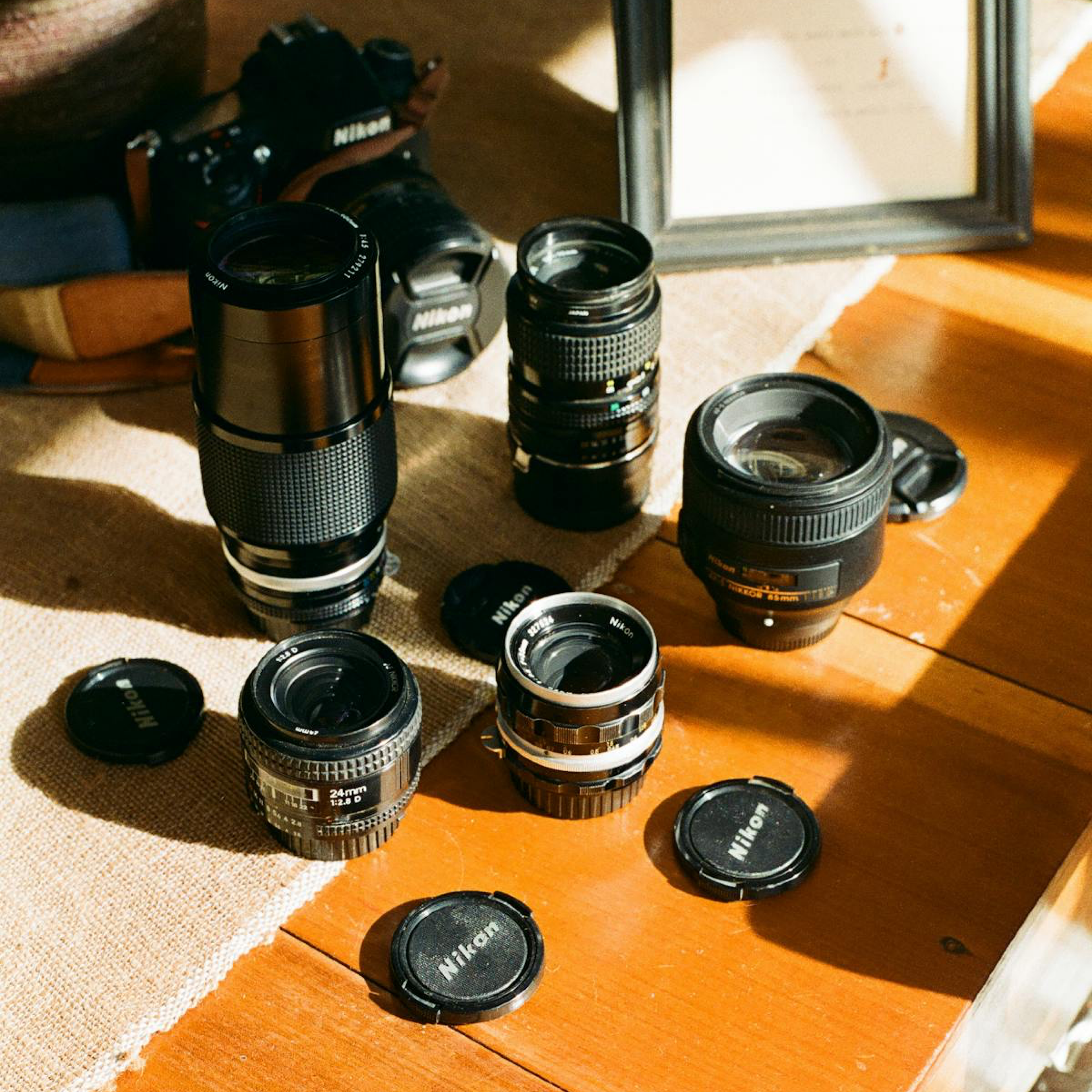
Before comparing specific focal lengths, it helps to know what you’re actually optimizing for. Three things determine whether a lens flatters your subject:
- Perspective, which is how facial features appear based on your camera-to-subject distance. Get too close with a wide lens, and noses and foreheads stretch. Back up with a longer lens, and features compress and flatten naturally.
- Working distance, which is how far you physically stand from your subject to fill the frame. This is dictated by focal length and matters more indoors than most photographers expect.
- Aperture, which controls background separation. The best aperture for portrait photography usually sits between f/1.4 and f/2.8. Wider options like f/1.2 create dramatic bokeh, but they also shrink your focus margin, which matters more than most photographers realize once you’re reviewing hundreds of frames later.
Once you understand these three factors, the “best lens” question becomes a lot more… specific: best for what space, what subject, and what look?
What is the best focal length for portraits?
Here’s how the most common portrait focal lengths actually perform, based on what they’re each built to do.
| Focal length | Best for | Working distance (headshot) | Trade-off |
| 35mm | Environmental, lifestyle, storytelling portraits | 3-5 feet | Can stretch facial features if you get too close |
| 50mm | Versatile, general-purpose, tight spaces | 5-7 feet | Less compression and background blur than longer lenses |
| 85mm | Traditional headshots, weddings, studio work | 6-8 feet | Needs more room to work than a 50mm |
| 105-135mm | Beauty, editorial, maximum compression | 8-10 feet | Requires significant space; hard to use in small rooms |
| 70-200mm f/2.8 | Weddings, events, candid coverage at a distance | Variable | Heavier, more expensive, less low-light speed than primes |
If you can only own one portrait lens, 85mm remains the safest choice for full-frame shooters. It’s close enough to work with in most spaces, far enough to flatter facial features, and versatile across headshots, couples, and half-body shots. On a crop-sensor body, a 50mm behaves similarly, which is why it’s such a popular starting point for beginners.
50mm vs 85mm for portraits: which one should you choose?
This is the comparison most portrait photographers actually get stuck on.
- A 50mm is more forgiving in tight spaces, cheaper across every brand, and versatile enough to double as a walk-around lens outside of portrait sessions.
- An 85mm delivers noticeably stronger compression and background separation, but it demands more physical space to use comfortably.
If your studio or shooting space is small, or you photograph in clients’ homes, a 50mm will serve you better day to day. If you have the room and want that classic, creamy portrait look, 85mm is worth the upgrade.
Best lens for portrait photography (by shooting style)
Different portrait work asks different things of a lens. Here’s how to match your lens to what you actually shoot.
a. Best lens for headshots and corporate portraits
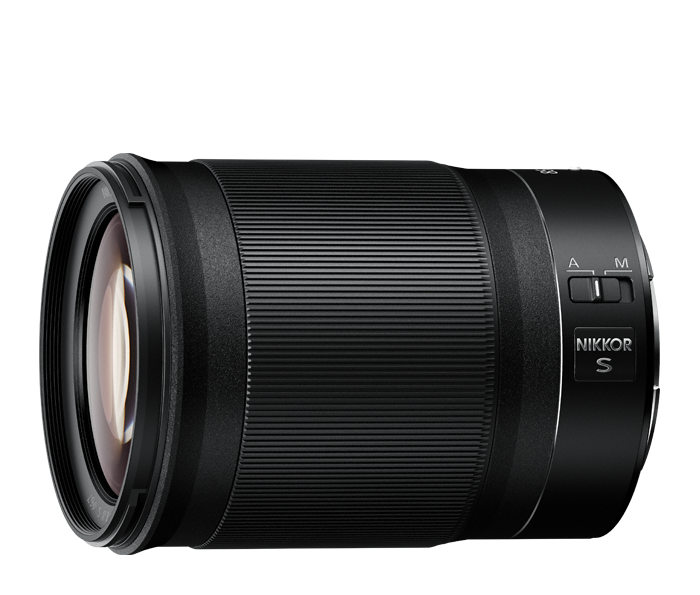
An 85mm f/1.8 or f/1.4 is the standard here, and one of the most reliable choices when photographers ask specifically about the best lens for headshots. You’ll have enough working distance in most studio spaces, and the compression flatters faces without distorting them. If your studio is small, a 50mm f/1.8 is a reliable substitute that still delivers professional-looking separation.
Lens recommendations:
Nikon NIKKOR Z 85mm f/1.8 S ($800) for a relatively accessible native Z-mount option, Sony FE 85mm F1.4 GM II ($1,800) for photographers who want a premium portrait prime, and Sigma 85mm F1.4 DG DN Art ($1,200) for Sony E-mount or L-mount shooters who want an f/1.4 alternative without flagship pricing. Budget-conscious shooters should look at the Viltrox AF 85mm F1.4 Pro ($598), which delivers strikingly close rendering to the Sony GM II for roughly a third of the price.
b. Best lens for wedding portraits
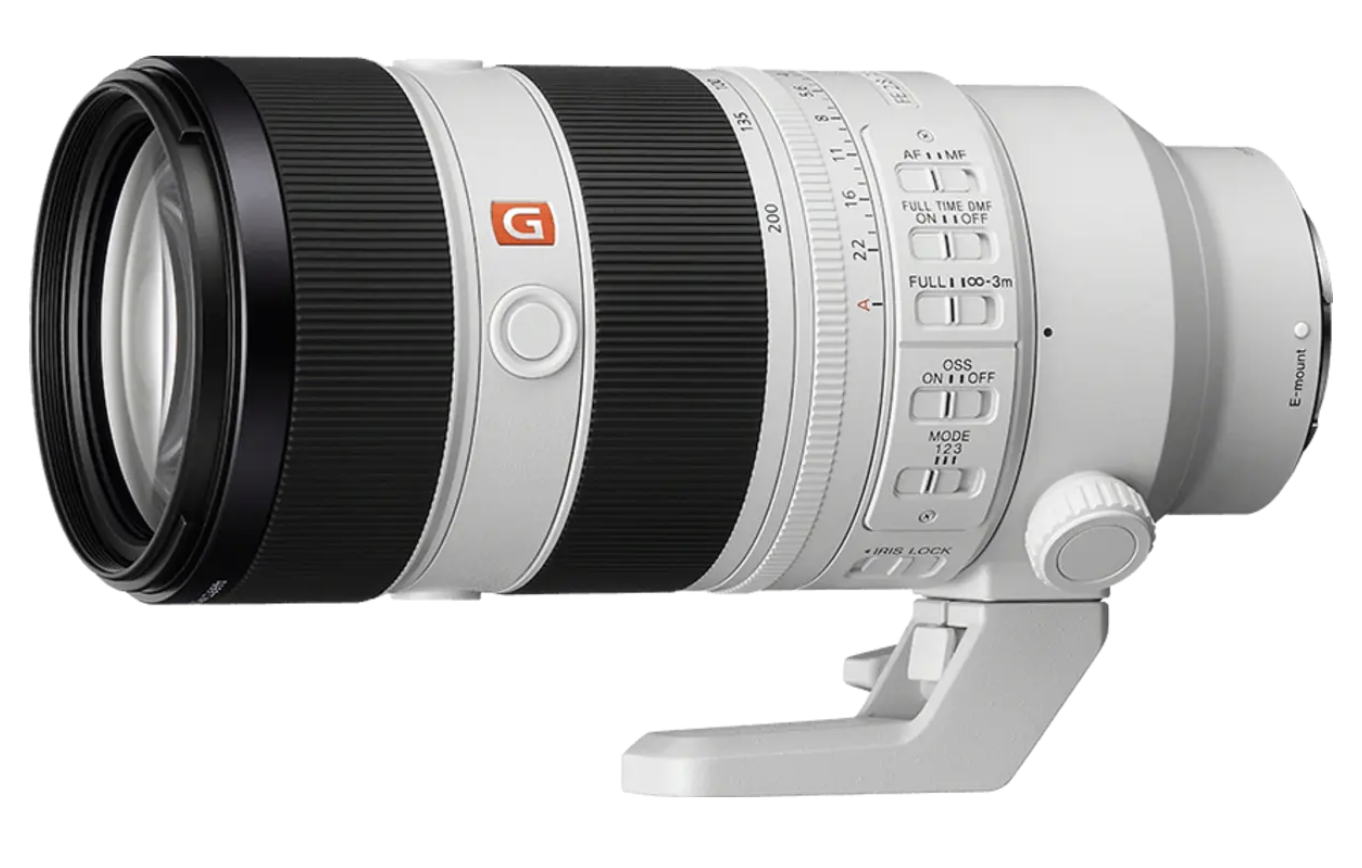
Weddings demand versatility more than any other genre, which is why the best lens for wedding portraits is rarely just one lens. A 70-200mm f/2.8 covers ceremony shots, candid moments, and formal portraits from a distance without lens changes, while an 85mm prime handles couple portraits and detail shots where speed and low light matter more than reach. Many wedding photographers carry both.
Lens recommendations:
Sony FE 70-200mm F2.8 GM OSS II ($2,800), Canon RF 70-200mm F2.8 L IS USM Z ($2,700), or Nikon NIKKOR Z 70-200mm f/2.8 VR S ($2,600). Pair one with an 85mm prime, the Viltrox AF 85mm F1.4 Pro ($598) is a genuinely solid budget pairing if you regularly move between ceremony coverage and more intentional couple portraits.
c. Best lens for editorial and beauty portraits
For skin-focused, high-detail beauty work, 105mm or 135mm lenses give you the most background compression and the flattest, most flattering facial perspective. The trade-off is space: you need a larger studio or an outdoor location to use them comfortably.
Lens recommendations:
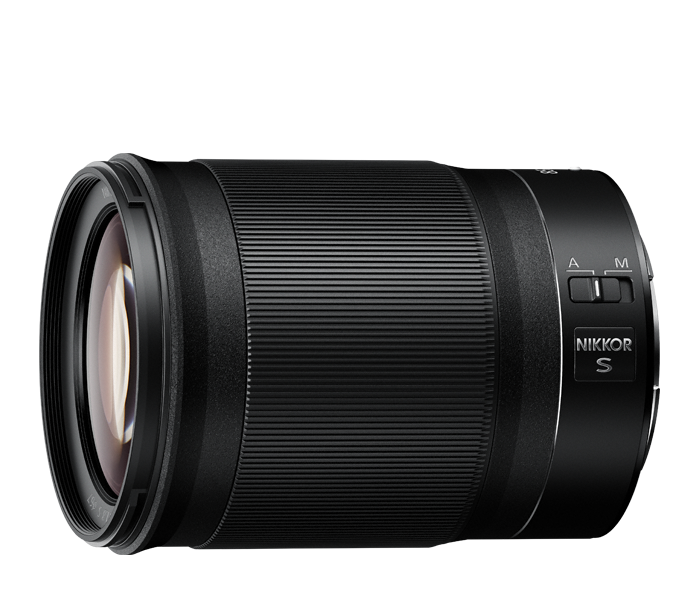
Sony FE 135mm F1.8 GM ($1,900) and Nikon NIKKOR Z 135mm f/1.8 S Plena ($2,500) are premium options for photographers who have enough working room. Canon shooters can look at the RF 85mm F1.2 L USM (~$2,700), which Canon itself describes as one of its representative portrait lenses.
d. Best lens for environmental and lifestyle portraits
When the location matters as much as the subject, a 35mm or 50mm lens keeps enough context in frame. These focal lengths let you tell a fuller story instead of isolating your subject against a blurred background.
Lens recommendations:
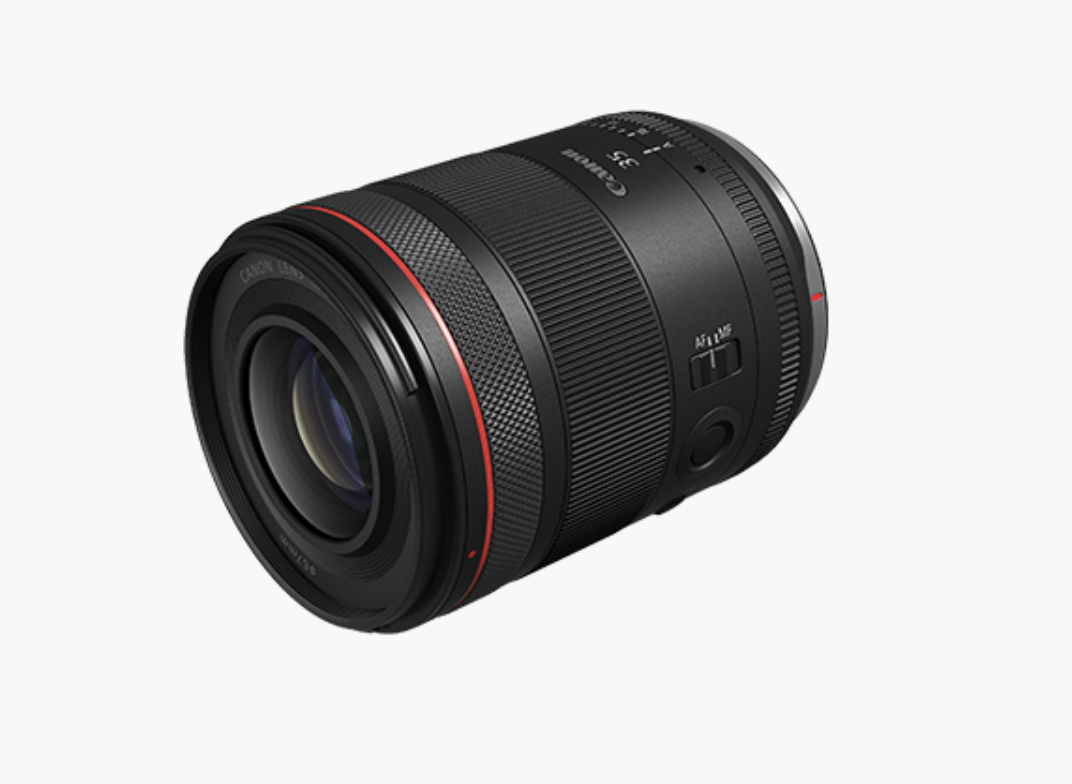
Sony FE 35mm F1.4 GM ($1,400), Nikon NIKKOR Z 35mm f/1.8 S ($850), or a comparable Canon RF 35mm option. If budget is tighter, the Viltrox AF 56mm F1.2 Pro (~$522, APS-C) gives crop-sensor shooters an 85mm-equivalent field of view at a fraction of full-frame prices. A 35mm is particularly useful when the room, street, home, or landscape needs to contribute to the portrait rather than disappear behind the subject.
e. Best lens for family and group portraits
Wider focal lengths (24-50mm) are necessary simply to fit everyone in frame, especially indoors. Stand back and use 50mm or 85mm where space allows to avoid distorting the people at the edges of the frame.
Best lens for portrait photographers (by budget)
Look, you know this… you may not really need a $2,000 lens to shoot professional portraits. If you’re searching for the right portrait lens for beginners, start with the entry-level tier below, it performs closer to the professional options than most photographers expect. See the shooting-style breakdown above for specific models at each price point.
| Lens | Approx. price | Best for | Note |
|---|---|---|---|
| Sony FE 50mm F1.8 | ~$250 | Beginners, tight spaces, general portraits | Best portrait lens for beginners across any budget |
| Viltrox AF 56mm F1.2 (APS-C) | ~$522 | Crop-sensor shooters wanting 85mm-equivalent compression cheap | Interesting budget answer most guides skip |
| Viltrox AF 85mm F1.4 Pro | ~$598 | Headshots, studio portraits, weddings | Punches well above its price against $1,800 flagships |
| Sigma 85mm F1.4 DG DN Art | ~$1,200 | Headshots, weddings, low light | Strong middle ground between budget and flagship |
| Nikon Z 85mm f/1.8 S | ~$800 | Headshots, general portrait work | Native AF speed without flagship pricing |
| Sony FE 85mm F1.4 GM II | ~$1,800 | Professional headshots, weddings | Flagship autofocus and rendering |
| Canon RF 85mm F1.2 L USM | ~$2,700 | Editorial, beauty, maximum subject separation | One of Canon’s signature portrait lenses |
| Sony FE 135mm F1.8 GM | ~$1,900 | Editorial, beauty | Requires more shooting space |
| Nikon Z 135mm f/1.8 S Plena | ~$2,500 | Editorial, beauty, weddings | Considered one of the sharpest portrait primes available |
| Sony FE 70-200mm F2.8 GM OSS II | ~$2,800 | Weddings, events | Most versatile option for mixed coverage |
The image quality difference between a $522-$598 Viltrox and its $1,800-$2,700 flagship counterparts is smaller than most photographers assume. What you’re paying for at the higher tiers is faster, more reliable autofocus, weather sealing, and better performance wide open, all of which matter more for fast-moving work like weddings than for a controlled studio session. If you’re just starting out, the Sony 50mm F1.8 or a Viltrox 85mm are both smarter first purchases than jumping straight to a $1,800 GM lens.
Just to be clear, a more expensive portrait lens doesn’t automatically produce a dramatically better portrait. What you’re often paying more for is faster and more dependable autofocus, stronger build quality, better control of optical aberrations, and better performance at very wide apertures, both of which matter more for fast-moving work like weddings than for a controlled studio session.
For a portrait lens for beginners, the entry-level tier remains the smartest first purchase, upgrade once you know which focal length and shooting style you gravitate toward.
How does your lens choice affect your workload after the shoot?
Here’s the part most lens guides skip entirely: the lens you choose doesn’t just shape how the photo looks. It shapes how much work is waiting for you once the shoot ends, let’s see how:
1. Aperture
Wide-aperture primes (f/1.2-f/1.8) are popular for portraits precisely because they produce that soft, creamy background. That said, shooting wide open also narrows your margin for focus error significantly, especially at close working distances. That’s why most photographers shoot several frames per pose to guarantee at least one with tack-sharp eyes. A single headshot session can easily produce 300-800 frames once you factor in blinks, micro-expressions, and focus misses.
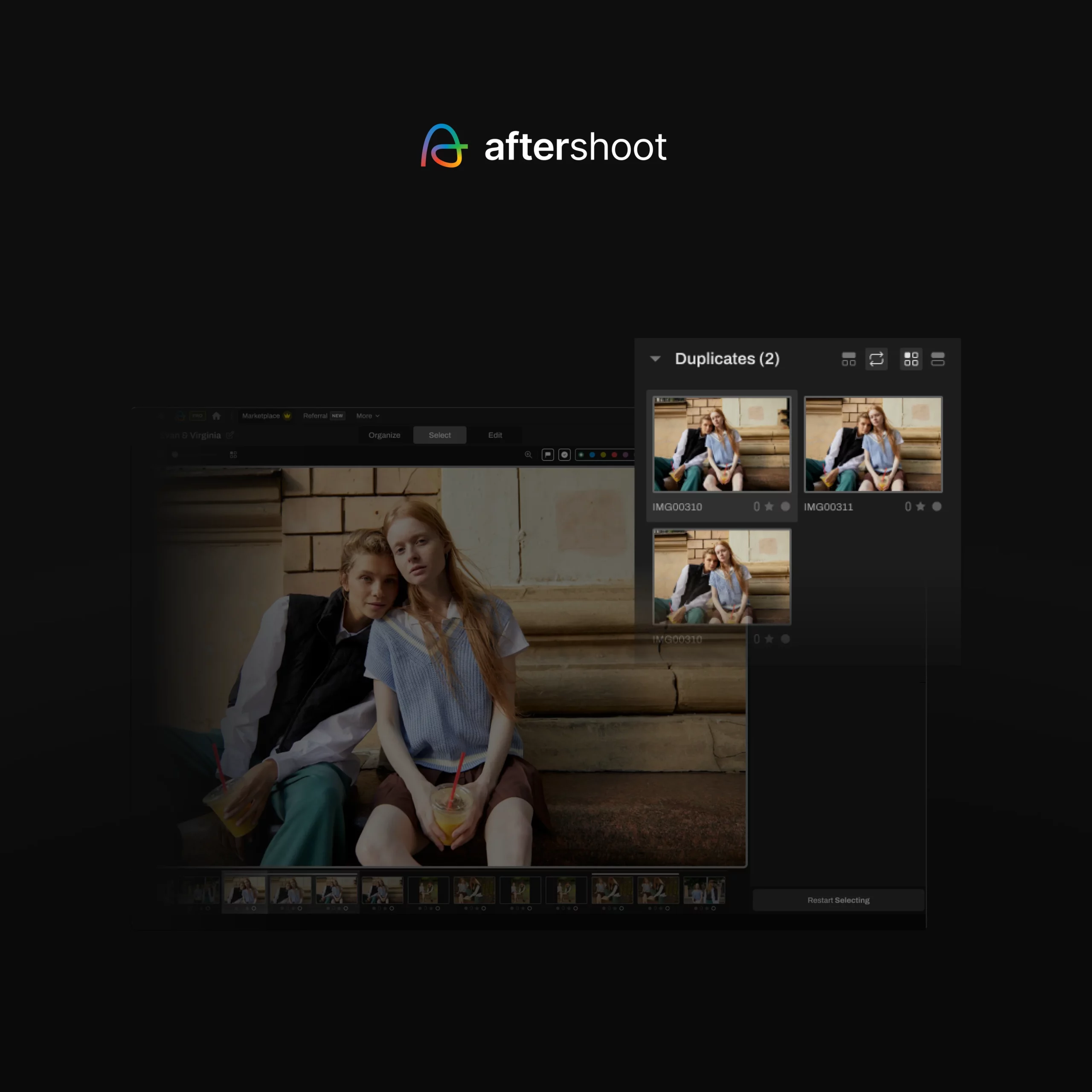
Sorting through that volume by hand (okay… by cursor), image by image, is where entire evenings disappear. This is exactly the problem Aftershoot’s AI Culling is built to solve: it reviews focus, expressions, and duplicates across your full shoot and surfaces your best frames in a fraction of the time manual culling takes.
2. Lens Choice
Your lens choice also affects retouching. Longer, more compressed focal lengths (105mm, 135mm) tend to render skin texture and pores more visibly at close working distances than wider lenses do, which means beauty and editorial work often needs more careful skin retouching to look natural rather than over-processed.
Aftershoot’s AI Retouching handles skin smoothing, blemish removal, and consistency across a full gallery while preserving natural texture, so your editing style stays yours no matter which lens you shot with.
Once your favorites are culled and retouched, Aftershoot Galleries makes delivering them simple. Start free with the Starter plan. Get 10 GB of photo storage & 1 GB video. Premium and Unlimited tiers offer more storage and features for photographers delivering larger, higher-volume galleries.
How to choose the best lens for portrait photography?
There’s no single best lens for portrait photography, but there is a best lens for how you shoot. Start with your working distance and typical shooting space, match that to a focal length, then choose your budget tier based on how much you rely on fast, reliable autofocus.
Whichever lens you land on, remember that the shoot doesn’t end when you put the camera down. What you do with those 500 frames afterward matters just as much as what glass you used to capture them.
FAQs for Best Lens for Portrait Photography
Q1. What is the single best lens for portrait photography?
For most full-frame shooters, an 85mm f/1.8 is the best all-around choice. It offers flattering compression, a comfortable working distance in most studios, and enough background blur to isolate your subject without requiring a huge amount of space. If you shoot in tighter rooms, a 50mm f/1.8 is a strong alternative.
Q2. Is 50mm or 85mm better for portraits?
Neither is objectively better, they solve different problems. In the 50mm vs 85mm for portraits debate, a 50mm is more versatile and works in smaller spaces, but offers less background compression. An 85mm flatters facial features more and creates stronger separation from the background, but needs more room to shoot comfortably.
Q3. What is the best aperture for portrait photography?
Apertures between f/1.4 and f/2.8 are the sweet spot for most portrait work. Wider apertures like f/1.2 create dramatic bokeh but leave very little margin for focus error, especially on close-up headshots. Many photographers shoot at f/2 or f/2.8 for group or half-body portraits to keep more of the subject in focus.
Q4. Do I need a prime lens, or is a zoom good enough?
Zooms like a 70-200mm f/2.8 are excellent for weddings and events where you need flexibility without changing lenses. Primes generally offer better sharpness, wider maximum apertures, and better low-light performance, which is why many portrait photographers use a prime as their primary lens and a zoom for coverage.
Q5. What’s the best portrait lens for beginners?
A 50mm f/1.8 is the standard recommendation for beginners across nearly every camera brand. It’s an affordable, sharp, and versatile portrait lens for beginners to learn on before investing in a more expensive 85mm or telephoto zoom.
Q6. What is the best lens for wedding portraits specifically?
Most wedding photographers rely on two lenses rather than one: a 70-200mm f/2.8 for ceremony coverage and candid moments from a distance, and an 85mm prime for couple portraits and detail shots that need speed and low-light performance.
Q7. Why does my lens choice affect how long editing takes?
Wide-aperture lenses shot close to a subject narrow your focus margin, which often means shooting more frames per pose to guarantee sharpness. That translates directly into more images to review and cull after the shoot. Longer, more compressed lenses can also render skin texture more visibly, which affects how much retouching a gallery needs.
Q8. Are third-party lenses like Viltrox or Sigma worth it for portraits?
Often, yes. Lenses like the Viltrox AF 85mm F1.4 Pro (around $598) or the Sigma 85mm F1.4 DG DN Art (around $1,200) deliver rendering and sharpness close to first-party flagships costing two to three times as much. You typically give up some autofocus speed and weather sealing, which matter more for fast-paced wedding work than for controlled studio sessions.