TL;DR
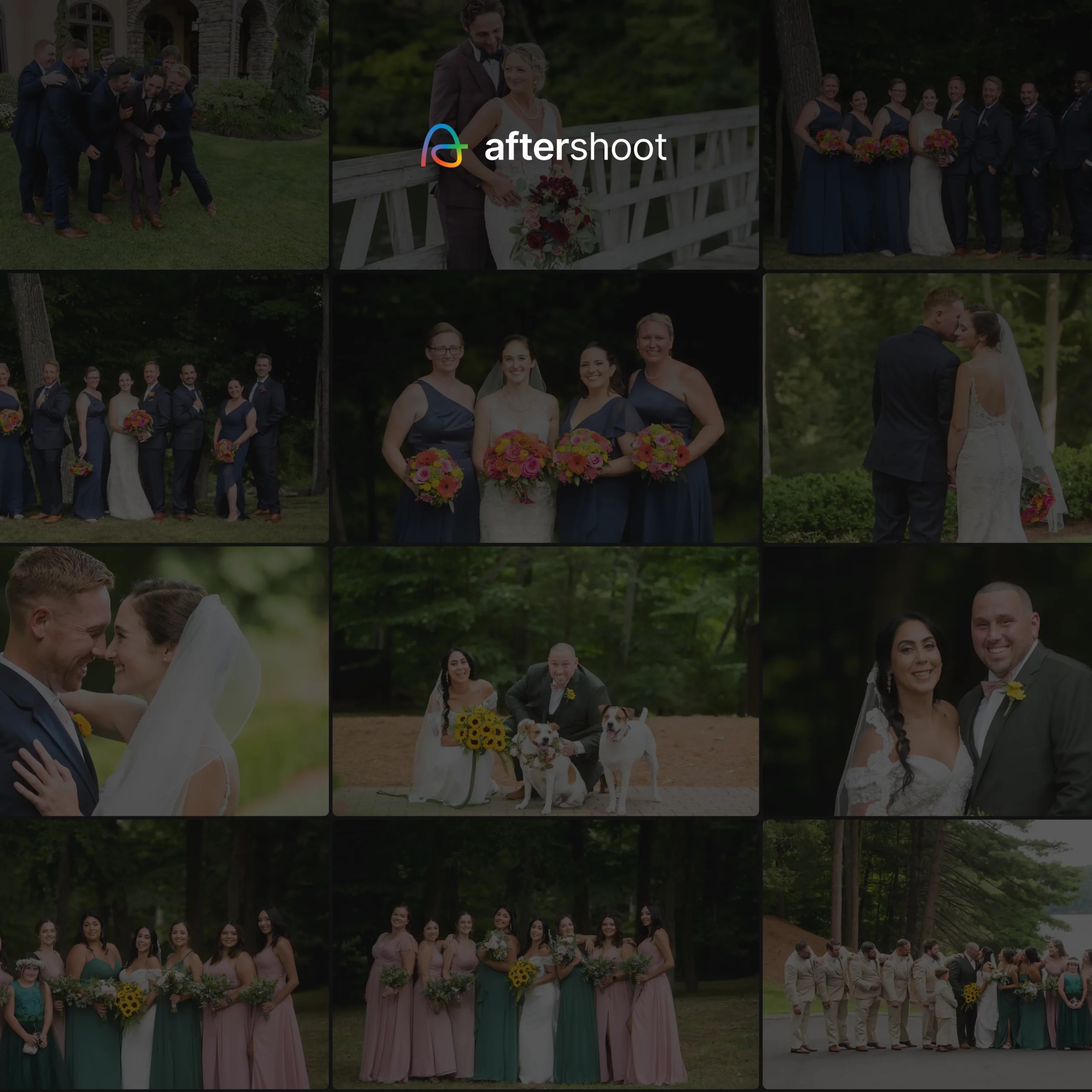
- Thousands of duplicates aren’t a problem; overshooting is better than missing the moment, especially for documentary-style wedding coverage.
- Cull in groups, not frame by frame. Ask “Which photo in this group is best?” instead of “Is this photo good?”
- Rank near-duplicates by emotion and composition first, then focus. A slightly soft frame with real emotion beats a sharp one that feels flat.
- Skip the 10,000% zoom. Go with your gut and move on, because clients care about how images make them feel, not how sharp they are.
- Not every duplicate needs to go. Keep similar frames that serve a different purpose, and cut only the ones that add nothing.
- Use AI culling tools like Aftershoot to group similar frames and flag technical issues, while keeping the final call yourself.
- Deliver generously. Giving clients more of each moment lets them pick their own favorites.
- Keep galleries feeling curated with a “Highlights” folder up front, followed by the rest of the images.
If you’ve ever photographed a wedding, you already know how this goes.
You get home, dump your cards, open the folder, and somehow you shot 5,000 photos. Then you start culling and realize you have 14 photos of the first kiss, nine photos of the exact same family pose, and about 37 photos of someone walking down the aisle.
And listen, I get it, because I do the EXACT same thing. In the moment, I’m not thinking about how many photos I’m taking. I’m making sure I don’t miss the shot. The problem is that eventually you have to sit down and go through all of them. Now you’re zooming in on six nearly identical images, trying to figure out which one is slightly sharper, which one has the better expression, and whether you really need to keep all six.
Spoiler alert: you probably don’t.
This guide walks through how I handle duplicate photos in culling, from how I pick the best frame in a sequence to how I use Aftershoot to take the most tedious part of the job off my plate. Let’s get started!
Why Having Thousands Of Duplicate Photos Isn’t A Bad Thing
Before we get to the practical part, I want to make one thing clear: having thousands of duplicates is NOT a bad thing.
I’m a big believer in “It’s better to have it and not need it than need it and not have it.” I would much rather overshoot a wedding and use a tool like Aftershoot to help me sort through it than undershoot and risk not having enough images. With today’s technology, there’s really no excuse not to shoot a ton!
In my case, I lean heavily toward a storytelling, documentary approach, so overshooting is sometimes something I HAVE to do to get the right moment.
With that being said, let’s not put those cameras into burst mode and start “spraying and praying”!
How To Choose The Best Photo From A Group Of Duplicates
- Cull in groups, not individual images
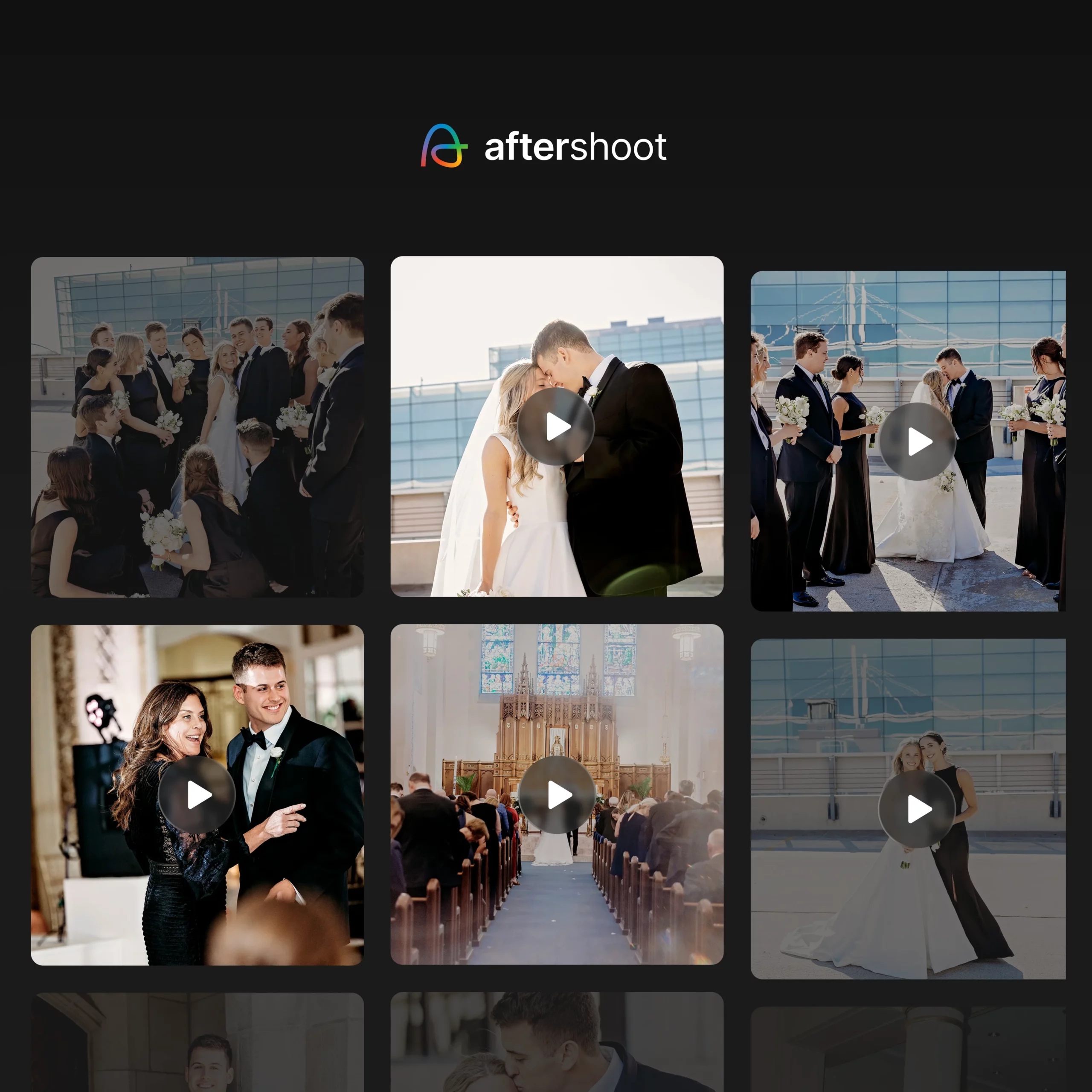
For my first tip: I prefer to look at images as groups rather than as individual frames. So instead of asking yourself, “Is this image any good?” for every photo you sort through, ask yourself, “Which photo in this group is best?”
This is also how I get far more out of Aftershoot than I would if I just expected it to choose the “right” image for me. I want it to group similar images together, and I want to have the final say on which one is the keeper. Even though it usually selects the correct image, I still look through the groupings and make the final decision myself.
- Rank frames by emotion, composition and focus
When I’m choosing between near-identical frames, I look at three things:
- Emotion
- Composition
- Focus
Emotion and composition matter most. I would rather keep an image that’s slightly out of focus but has real emotion and great composition than a razor-sharp image that lacks the other two.
- Don’t zoom in to 10,000% to compare frames
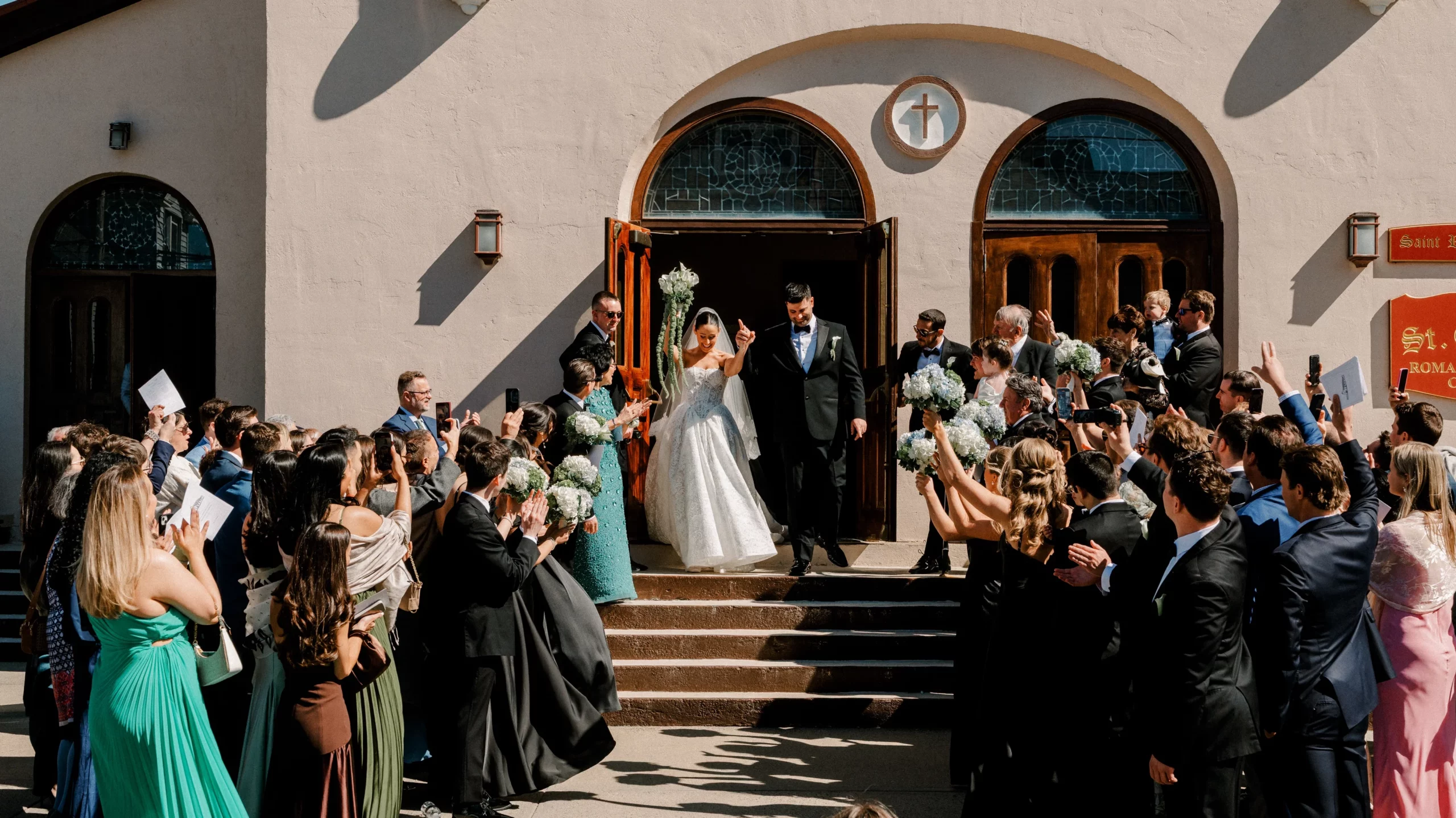
DO NOT. I repeat… DO NOT spend minutes at 10,000% zoom trying to compare images. I usually go with my gut on the first look and move on.
Your clients do not care how sharp an image is. They do not care how much grain an image has. But they do care about how the images make them feel.
So put yourself in their shoes and think about how they’ll feel when they look at the final images you’ve chosen for them. THOSE are the images that will sell your work to others, not the sharpest or most technically perfect ones.
Emotion > technicalities.
Not Every Duplicate Photo Needs To Be Deleted
My second tip, and this one is especially important in wedding photography: not every duplicate needs to go.
Two images can look similar but serve different purposes in the final gallery. Maybe the bride is looking at the camera in one and laughing in the other. Maybe one is technically cleaner, while the other has more emotion.
The goal isn’t necessarily to reduce every sequence to a single photograph. It’s to remove the frames that genuinely add nothing.
How AI Duplicate Photo Detection Speeds Up Culling
For a wedding photographer coming home with thousands of files, having Aftershoot surface similar frames together removes a lot of the repetitive work I used to do by hand years ago. It was tedious, and it took up a ton of my time.
Now I can spend my attention on deciding which frame best represents the moment, rather than hunting through the gallery for repeated images.
What if Aftershoot gets it wrong?
Of course, I’m going to get the “What if Aftershoot gets it wrong?” argument. I think this is an important distinction.
AI culling doesn’t have to mean blindly handing over every creative decision. Think of it more like having an assistant organize the mess before you walk into the room. It can identify duplicates, flag technical problems, and surface selections, while you still review the images and make the final call.
That’s particularly valuable for emotional or storytelling photographs, where the technically “best” image might not actually be your favorite. Which, honestly, is how most of my work gets picked.
So instead of expecting Aftershoot to choose the best image every single time, use it to make your emotional decisions easier. Aftershoot is there to learn your preferences, but it’s still your job to know your own taste and have the final say. The more clearly you understand what makes an image a keeper for you, the easier it becomes to review the groupings Aftershoot makes.
How Many Photos Should You Deliver After Culling Duplicates?
Lastly, I’ve learned that I prefer overdelivering to my clients rather than culling to the point where I miss moments they were expecting.
Years ago, I thought it was a great idea to cull down to 400–500 images for a 10–12 hour wedding. It made me feel more “methodical” about how I delivered galleries, and it made those galleries feel more “curated.”
I completely disagree with that now. By giving my clients more of each pose or moment, I make sure they have options to choose their favorites from. Wedding galleries are a collaboration between my clients and me, and they should have a say in which images they print or share.
To keep my galleries feeling curated, I create a “Highlights” folder in my Aftershoot gallery. That’s where I put the images that make an impact on the viewer, and I make sure that folder looks beautiful. Everything else I deliver comes after it.
Here’s an example of one of my galleries so you can take a look: Christina and Tommy’s wedding gallery
A Simple Workflow For Handling Duplicate Photos In Culling
- Shoot freely. Don’t hold back during the event. It’s better to have it and not need it.
- Let Aftershoot group similar frames. Skip the manual hunt for repeated images.
- Review each group, not each image. Ask “Which photo in this group is best?”
- Prioritize emotion and composition over focus. A slightly soft frame with real emotion beats a sharp, flat one.
- Trust your gut. Make the call on the first look and move on.
- Keep similar frames that serve a different purpose. Only cut the ones that genuinely add nothing.
- Lead with a Highlights folder. Curate the impact up front, then deliver the rest.
Culling Duplicate Photos Shouldn’t Be Complicated
That’s it! Culling shouldn’t be overly complicated, especially nowadays with tools like Aftershoot. We should be able to shoot thousands upon thousands of images without worrying about spending hours in front of our computers.
So get out there, shoot those moments, and run your images through Aftershoot!
FAQs about Duplicate Photos in Culling
Q1. Is there a quick way to remove duplicate photos during culling?
A: Yes. Review similar images as a grouped sequence rather than evaluating each frame individually. Using an AI culling tool like Aftershoot automatically groups near-identical frames and flags technical issues, allowing you to quickly choose the single best shot from each moment.
Q2. Can AI detect and group duplicate photos automatically?
A: Absolutely. AI culling software surfaces similar frames, flags out-of-focus or closed-eye shots, and suggests top picks. While AI handles the tedious grouping, you maintain creative control by making the final call on emotional and storytelling shots.
Q3. Should I delete all near-duplicate photos from a wedding gallery?
A: No. Only delete duplicate frames that add zero value. Keep near-duplicates if they serve different purposes, such as one frame where the couple looks at the camera and another where they share a candid laugh.
Q4. How do I know which photo to pick when culling duplicates?
A: Rank your options by emotion, composition, and focus (in that exact order). Trust your gut on the first pass and avoid zooming in to check micro-sharpness, as clients prioritize how an image makes them feel over technical perfection.