
TL;DR
- Best overall: Sony A7 V ($2,899). 33MP gives you room to crop a headshot to a full 8×10 without bloating your catalog. Strong dynamic range and the widest choice of portrait lenses make it the safest pick for mixed portrait and wedding work.
- Best for Canon shooters: Canon EOS R6 Mark III ($2,799). If you already own RF lenses, stay in the system. 32.5MP, 40 fps bursts and 7K video cover portraits, events and the short brand clips some clients ask for.
- Best for studios that crop: Sony A7R VI (66.8MP, $4,499) or Canon EOS R5 Mark II (45MP, $4,099). Shoot one loose frame and deliver a headshot, a banner, and a vertical crop at print quality. Budget for bigger drives and longer imports.
- Best value: Nikon Z5II ($1,699). Full frame, eye-detection autofocus, in-body stabilization, and dual card slots cover most portrait sessions. Battery life is short, so carry a spare.
- Best for a distinct look: Fujifilm GFX100S II ($4,999). Medium format’s smoother tones suit fine-art and wall-print clients. Pick the Fujifilm X100VI if you want a pocket camera for environmental and family sessions, because its small size puts subjects at ease. Skip it for tight headshots.
- Pick the best portrait camera for your deliverables. Higher resolution means bigger files to store and edit. Faster bursts mean more near-identical frames to cull. Best to plan your editing workflow alongside your camera.
Eye autofocus used to separate good portrait cameras from great ones. Today, almost every new mirrorless camera can find your subject’s eye and stay locked on it, even when they move.
But a camera that looks perfect on paper can still be the wrong camera for your business. A headshot studio needs crop room. A family photographer needs speed and a light kit. A fine-art portraitist needs tonal depth for big prints.
Your choice also follows you after the shoot. Buy more resolution than your clients need, and every session costs you extra drive space, slower imports, and longer culls. Buy too little, and you can’t crop a loose frame into the tight headshot or 16×20 print a client just ordered.
This guide matches the best camera for portrait photography to the work you actually deliver, and shows what each pick means for your editing workflow.
Quick Comparison: 8 Best Portrait Cameras to Use in 2026
For most portrait work, 24–33MP is plenty. You only need more if you crop heavily. Studios that turn one frame into several crops, like a headshot, a banner, and a vertical, get more out of 45MP or higher.
| Camera | Sensor and resolution | US list price (body) | Best for | Watch out for |
| Sony A7 V | Full frame, 33MP | $2,899 | Most portrait pros, weddings + portraits | Video tops out at 4K |
| Canon EOS R6 Mark III | Full frame, 32.5MP | $2,799 | Canon shooters, hybrid photo + video | RF lenses cost more |
| Sony A7R VI | Full frame, 66.8MP | $4,499 | Studio, commercial, beauty | Big files, high price |
| Canon EOS R5 Mark II | Full frame, 45MP | $4,299 | High-res Canon work, headshot crops | Battery life |
| Nikon Z5II | Full frame, 24.5MP | $1,699 | Best value, new portrait businesses | Short battery life |
| Fujifilm GFX100S II | Medium format, 102MP | $4,999 | Fine art, editorial, large prints | Slower handling, huge files |
| Fujifilm X-T5 | APS-C, 40MP | $1,699 at launch | Fujifilm color, lighter kit | Successor expected soon |
| Fujifilm X100VI | APS-C, 40MP, fixed 35mm-equiv. lens | $1,599 at launch | Environmental and lifestyle portraits | Not for tight headshots |
If you shoot a mix of portraits and events, start with the 33MP bodies. Move up to 45MP or more only when clients pay for large prints or several crops from one frame.
Note: all prices are US body-only list prices, checked in November 2026. Retailers discount often, especially around holiday sales, and prices vary by country. Check current prices before you buy.
How We Picked These Portrait Cameras
We judged every camera on what matters during a real paid session:
- Eye and face autofocus you can trust, including subjects with glasses, turned heads, and low light.
- Resolution versus file size. Enough pixels to crop, without doubling your storage bill.
- Skin tones and color straight out of the camera.
- Portrait lens choice at 50mm, 85mm, and 105–135mm.
- Price and lifespan for a working business.
Lenses get extra weight here for a reason. RTINGS, which has tested more than 125 cameras, says lighting, lenses, and composition matter more than the camera body. So we checked each system’s portrait primes at 50mm, 85mm, and 105–135mm, along with the body.
We also drew on current independent reviews (DPReview, PetaPixel, RTINGS, and others). We haven’t lab-tested these cameras ourselves.
👁️ Also read: Best lens for portrait photography
What to Look for in a Portrait Camera
A camera can look great on paper and still fail you on a headshot day. Focus can slip when a client turns their head. A single card can corrupt with 400 frames on it. A battery can die halfway through the afternoon. Check these six things before you buy.
- Eye autofocus. Your camera should find an eye and hold it, even with glasses or a turned head.
- Sensor size. A bigger sensor gives a softer background at the same framing and aperture. More on this below.
- Resolution. 24–33MP covers most portrait work. Go higher only if you crop hard or sell large prints.
- Lens system. You’ll spend more on lenses than on the body. Check that the mount has an affordable 85mm.
- Dual card slots. A second slot saves a backup copy as you shoot. With a single slot, one bad card can lose a paid session.
- Battery life. Check the rated shot count. If it’s under about 400 shots, carry spares for long sessions.
How Many Megapixels Do You Need for Portraits and Headshots?
A 24MP camera captures over three times the pixels needed for a sharp 8×10 print. (Yes, really!)
An 8×10 print at 300 PPI needs 2,400 × 3,000 pixels, or about 7.2MP. A 16×20 at the same density needs about 28.8MP. Every camera on the list below clears the 8×10 mark, and all except the 24.5MP Nikon Z5II clear 16×20.
Cropping is what changes the math. Shoot a half-length frame and crop to a headshot at half the width, and you keep only about a quarter of your pixels:
| Camera resolution | Pixels left after a 50% crop | What that crop is good for |
| 24.5MP (Nikon Z5II) | ~6MP | LinkedIn, websites, small prints |
| 33MP (Sony A7 V) | ~8MP | A full 8×10 at 300 PPI |
| 45MP (Canon R5 Mark II) | ~11MP | 11×14 prints, website banners |
| 66.8MP (Sony A7R VI) | ~17MP | Large prints from tight crops |
| 102MP (Fujifilm GFX100S II) | ~25MP | Wall art from almost any crop |
So the best portrait camera for you depends on how you frame. If you frame headshots tight in camera, 24–33MP covers you. But if you shoot loose so one frame becomes a LinkedIn headshot, a website banner, and a vertical social crop, high resolution pays for itself.
👁️ Also read: AI Editing Software for Professional Photographers
Full Frame vs APS-C vs Medium Format for Portraits
A larger sensor can create more background blur. Keep the framing and aperture the same, and you’ll get a shallower depth of field.
A faster lens can help smaller sensors achieve a similar effect. For example, Fujifilm’s XF 56mm f/1.2 frames like an 85mm lens on full frame and produces similar background blur to an 85mm lens at f/1.8.
| Format | Example lens | Full-frame equivalent | Background blur |
| APS-C | XF 56mm f/1.2 | ~85mm f/1.8 | Good with fast lenses |
| Full frame | 85mm f/1.8 | 85mm f/1.8 | Easy |
| Medium format (GFX) | GF 110mm f/2 | ~87mm f/1.6 | Strongest, with the smoothest fall-off |
Background blur also depends on your aperture, focal length, and how far your subject is from the background. Move your subject a few steps away from the wall, and you can get a soft background with any sensor size.
- Choose APS-C for a smaller, cheaper kit. You’ll need faster lenses for more background blur.
- Choose full frame for most portrait work. It offers the widest lens choice and makes background blur easier to achieve.
- Choose medium format if you sell large prints, want smooth tones, and prefer a slower shooting pace.
8 Best Cameras for Portrait Photography, Reviewed
1. Sony A7 V: Best Mirrorless Camera for Portraits
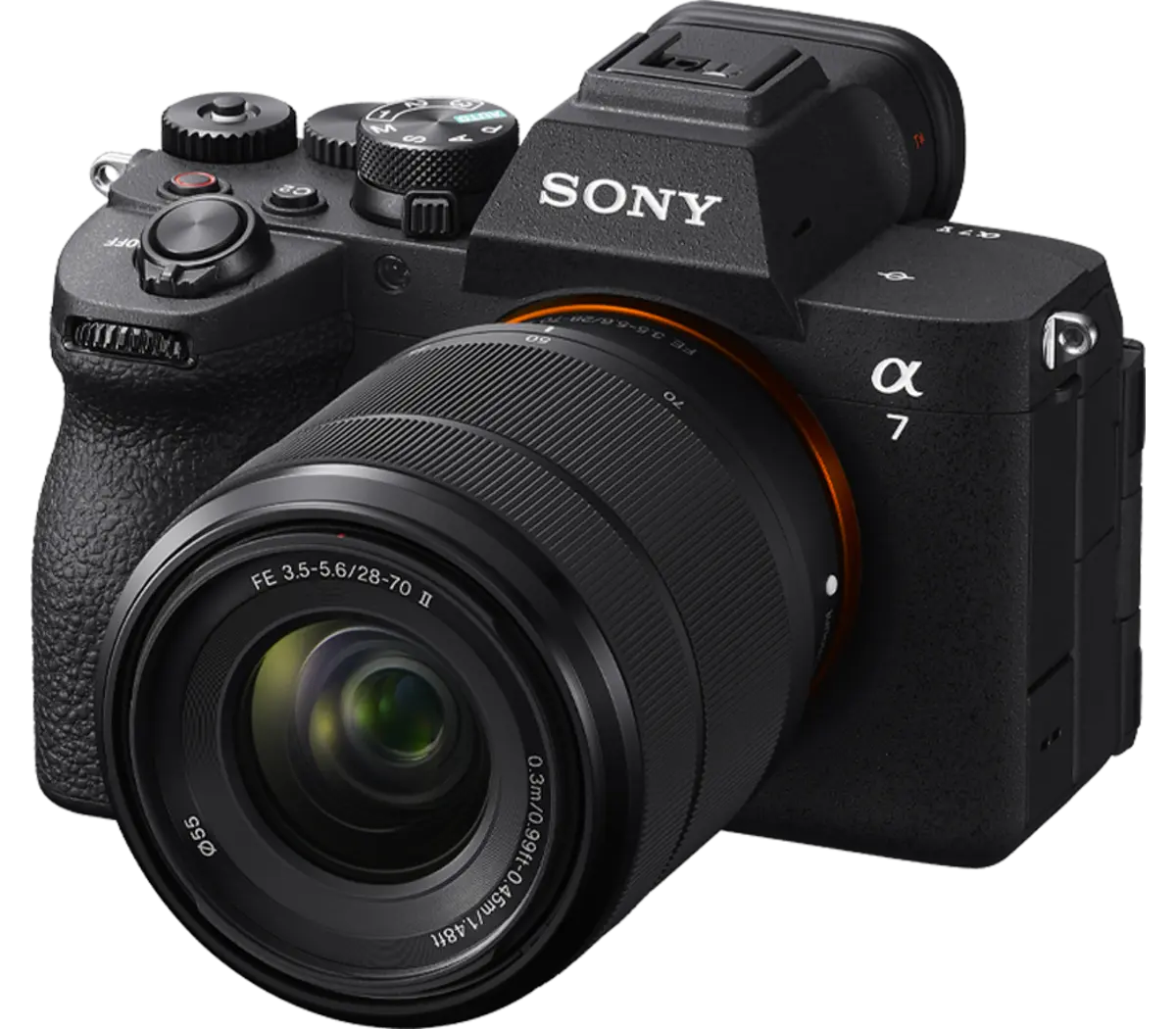
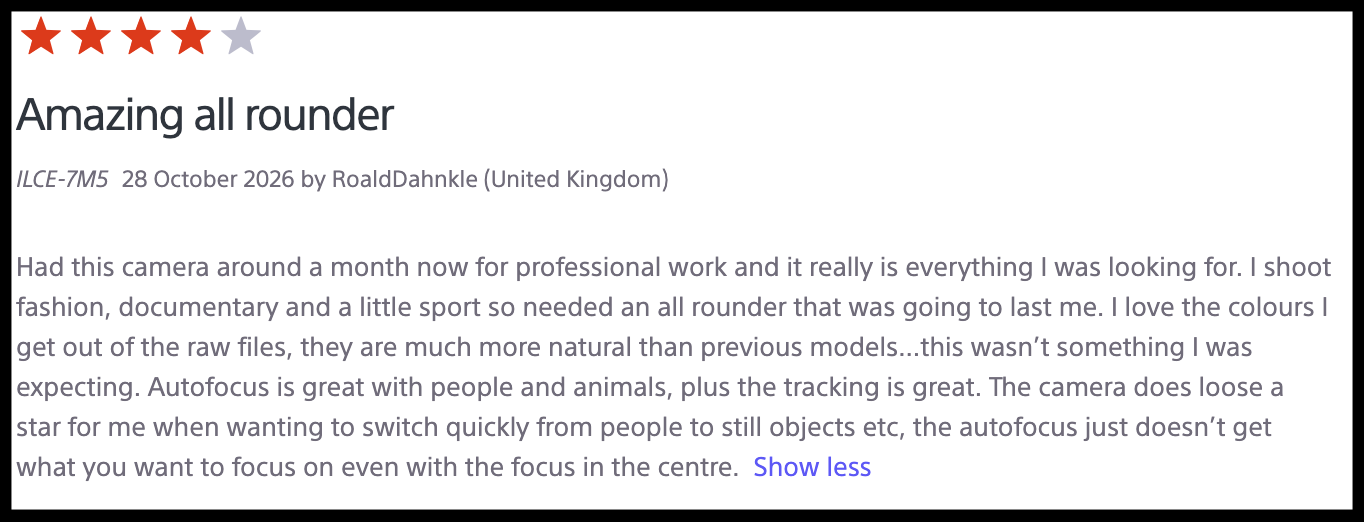
If you want one camera that handles most portrait work well, the A7 V is the best portrait camera for most photographers. It uses a new 33MP partially stacked sensor and costs $2,899. 33MP is the sweet spot: enough for a full 8×10 from a loose crop, without a ballooning catalog. Engadget’s testing found it ahead of the Canon R6 Mark III on dynamic range. That helps when you’re holding detail in a white dress and dark hair in the same frame.
The other advantage is lenses. E-mount has the widest choice of portrait primes, including affordable third-party 85mm options.
Why portrait photographers like it: 33MP gives you crop room without bloating your catalog. Sony’s eye autofocus is also reliable.
Watch out for: video stops at 4K, and it costs $400 more than the A7 IV did at launch.
Go-to portrait lens: Sony FE 85mm f/1.8. It’s light, sharp, and affordable.
Best for: photographers who shoot portraits, family sessions, and the occasional wedding with one body.
2. Canon EOS R6 Mark III: Best Camera for Portraits If You Shoot Canon
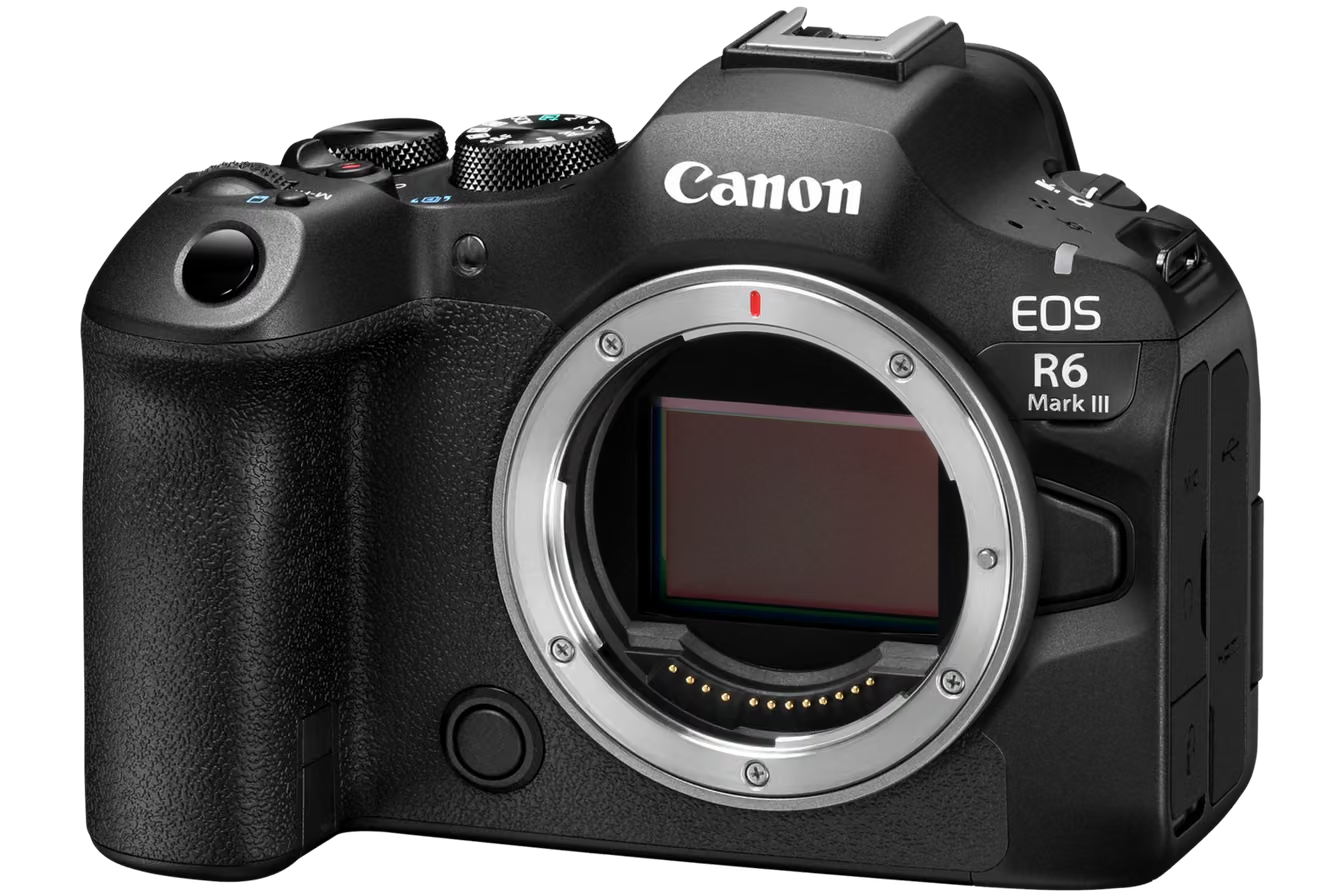
The Canon EOS R6 Mark III is a great choice for Canon shooters who want strong portraits and professional-quality video in one camera.
Your lenses often cost more than your camera body, and switching systems means replacing them too. So if you already use Canon RF lenses, sticking with Canon makes more sense than switching to Sony.
For most portrait work, it’s the R6 Mark III: a 32.5MP full-frame sensor at $2,799. Fstoppers’ reviewer felt the jump from 24MP is just enough to notice in the final image: “That’s just enough added megapixels to feel the difference in your final still image.” Testing a preproduction unit, he also found the JPGs “straight out of camera were sharp and well rendered” and called the autofocus “fast and accurate.”
It also shoots 40 fps bursts and 7K video, which helps when clients ask for short brand clips.
Why portrait photographers like it: Canon skin tones need little correction
Watch out for: RF lenses typically cost more, and third-party options are limited. If you want something lighter, the Canon EOS R8 Mark II ($1,899) adds in-body stabilization to a 24.2MP full-frame body that weighs 546g.
Go-to portrait lens: Canon RF 85mm f/2 Macro IS STM. It also shoots close-ups of rings and details, so you don’t need a second lens.
Best for: Canon shooters who want one body for portraits, events, and video.
3. Sony A7R VI: Best Camera for Professional Portrait Photography in the Studio
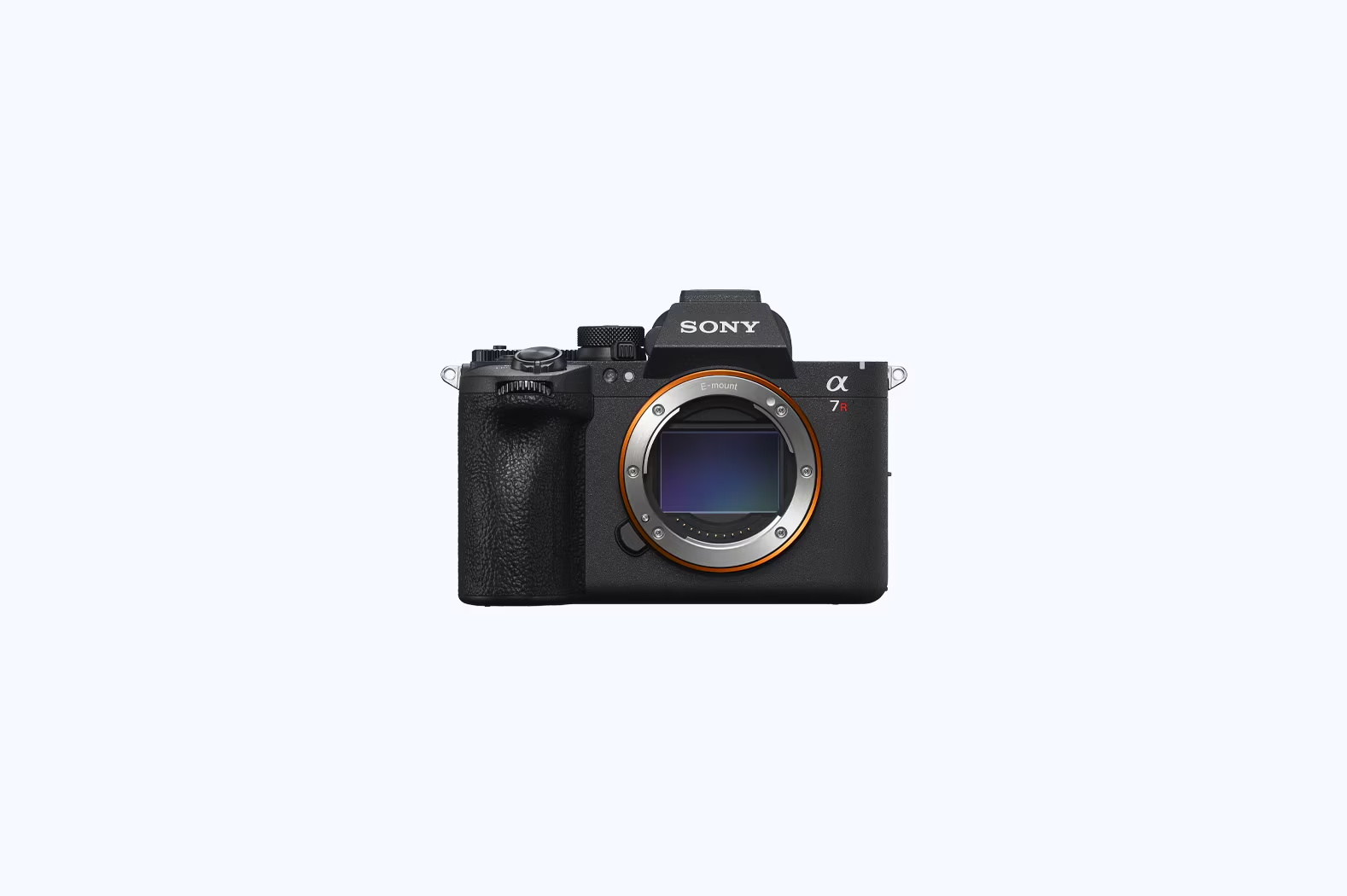
The Sony A7R VI is the best camera for headshots, beauty, and studio work if you sell large prints or make several crops from one frame. It has a stacked 66.8MP sensor and 30 fps RAW bursts, at around $4,500. PetaPixel called it possibly the last camera many photographers truly need.
The real payoff is cropping. If you run a corporate headshot studio, one frame can give you a tight headshot, a website banner, and a vertical crop, all sharp enough to print. And if you shoot beauty or commercial work, you already know the client is paying for the detail in skin and fabric. This camera captures every bit of it.
Why portrait photographers like it: you can shoot one loose frame and deliver several crops at print quality. For beauty and commercial work, the detail in skin and fabric is exceptional.
Watch out for: every file has about twice the pixels of an A7 V file. Budget for storage, a fast computer, and longer imports.
Go-to portrait lens: Sony FE 85mm f/1.4 GM II. It’s sharp enough to make full use of 66.8MP.
Best for: studio, beauty, commercial, and corporate headshot photographers who deliver many crops.
4. Canon EOS R5 Mark II: Best Camera for Headshots on Canon
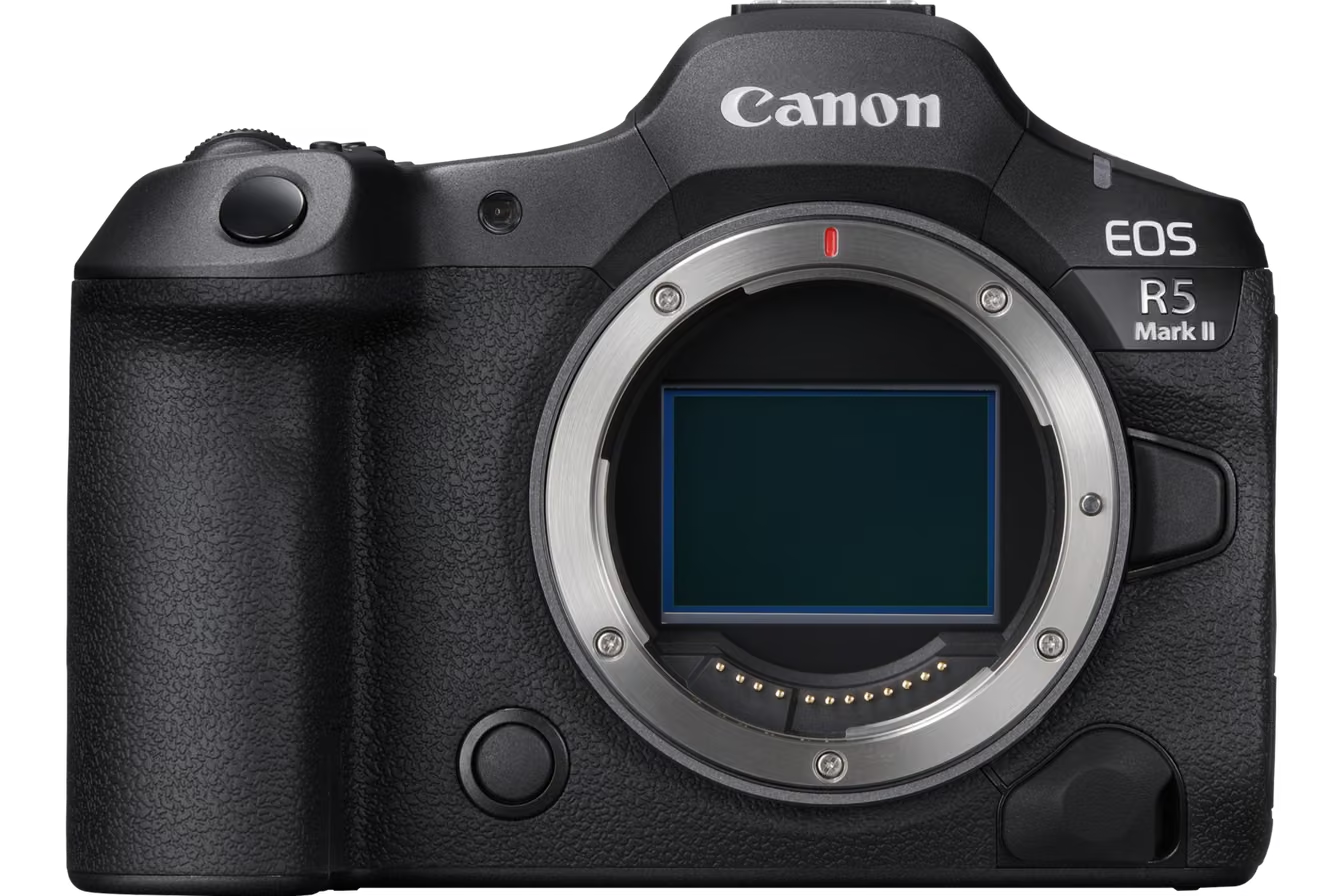
The Canon EOS R5 Mark II is the camera for Canon headshot studios that need crop room without 66.8MP file sizes.
It pairs a 45MP stacked sensor with Eye Control AF, which picks a subject when you look at it in the viewfinder. That’s about 40% more pixels than the R6 Mark III. It’s enough crop room for multi-format headshot days, and the files are still easier to handle than 66.8MP ones.
Why portrait photographers like it: two card slots (CFexpress and SD) record a backup of every frame, and up to 8.5 stops of in-body stabilization keeps hand-held shots sharp in dim offices.
Watch out for: Tom’s Guide found battery life underwhelming. Carry spares on long headshot days.

R5 II owner review on Fred Miranda
Go-to portrait lens: Canon RF 85mm f/1.2 L USM. It’s Canon’s premium choice for studio headshots.
Best for: Canon pros doing corporate headshots, commercial portraits, and high-volume studio days.
5. Nikon Z5II: A Good Portrait Camera on a Budget
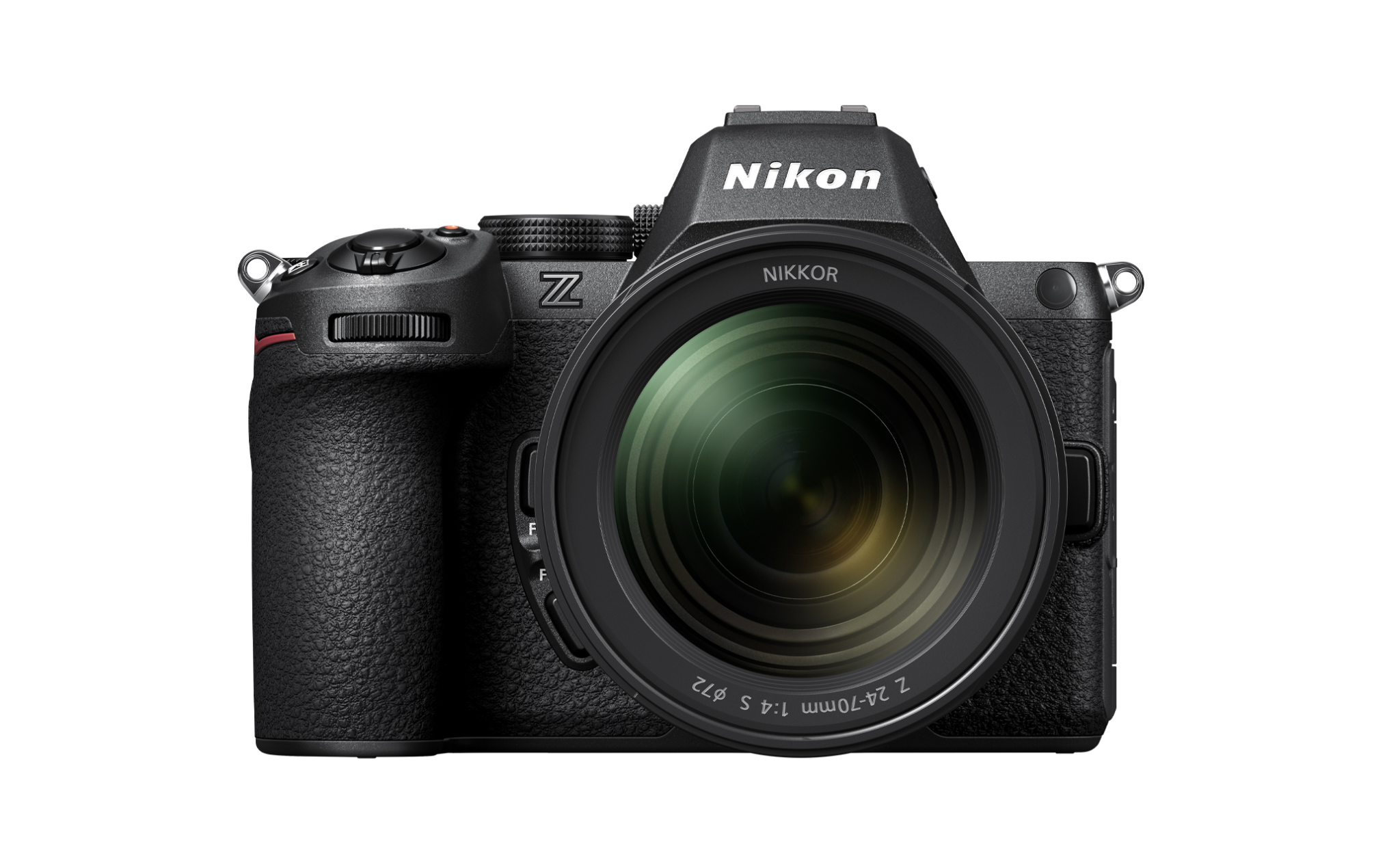
The Nikon Z5II is a good camera for portrait photography if you want full frame on a tight budget.
It runs on the same EXPEED 7 processor as Nikon’s flagship Z8 and Z9, so it gets their people and eye detection for less than half the price. In-body stabilization is rated up to 7.5 stops, which helps when you hand-hold at slow shutter speeds in dim living rooms or indoor venues.
It also has a 24.5MP sensor and launched at $1,699. In its review of the Nikon Z5 II, Fstoppers highlights portrait features like in-camera skin smoothing and face-priority exposure. However, most pros shooting RAW will handle skin editing in post.
Fstoppers also notes that:
“The camera is so well-equipped that it even competes with the more expensive Nikon Z6 III. However, the latter offers a more rugged build, faster RAW shooting, and less rolling shutter. If you rely on these features, the Z6 III is the best choice.”
Why portrait photographers like it: dual SD card slots, strong low-light performance, and affordable Nikon Z primes.
Watch out for: The Nikon Z5II is rated for 330–390 shots per charge under CIPA testing, depending on the display and energy-saving settings. That’s fine for a seated session, but carry a spare for a full day.
Go-to portrait lens: Nikon Z 85mm f/1.8 S. It’s sharp wide open and costs far less than Nikon’s f/1.2 lenses.
Best for: photographers starting or scaling a portrait business on a budget.
6. Fujifilm GFX100S II: Best Camera for Portraits with a Medium Format Look
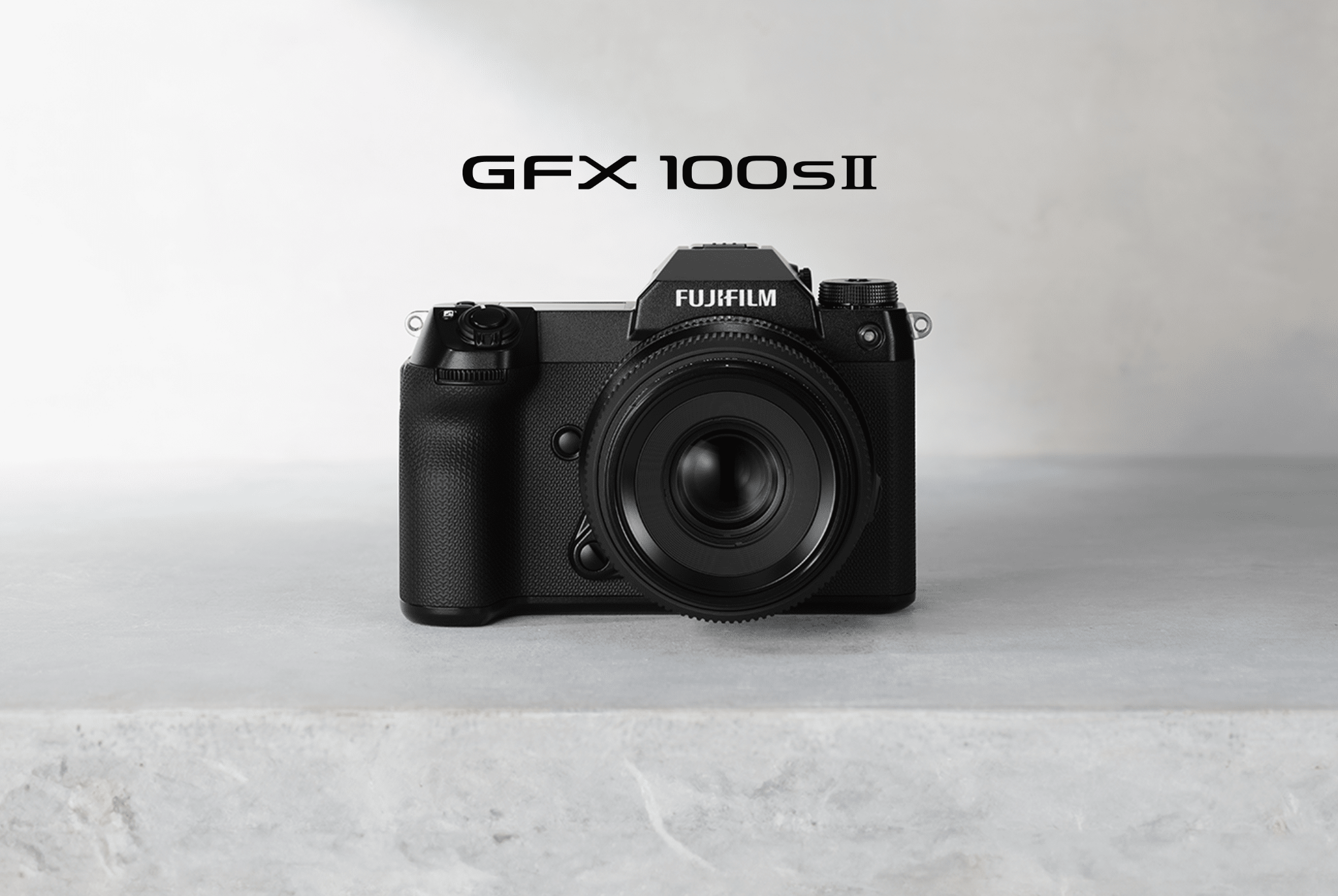
The Fujifilm GFX100S II is the camera for fine-art and luxury portrait studios that want the medium format look.
People assume medium format is about resolution. Mostly, it isn’t. The real reason portrait photographers buy it is the look: smoother tones and a gentler fall-off from sharp to soft that full frame doesn’t quite match.
The GFX100S II puts a 102MP sensor in an 883g body and launched at $4,999, about $500 more than the Sony A7R VI.
Why portrait photographers like it: unmatched detail for fine-art, editorial, and wall-art clients.
Watch out for: its sensor reads out more slowly than the pricier GFX100 II, so it’s less suited to fast-moving kids, and the files are huge.
Go-to portrait lens: Fujifilm GF 110mm f/2. It offers a field of view equivalent to an 87mm lens on full frame.
Best for: fine-art, editorial, and luxury portrait studios that sell large prints.
7. Fujifilm X-T5: A Good Camera for Portrait Photography on APS-C
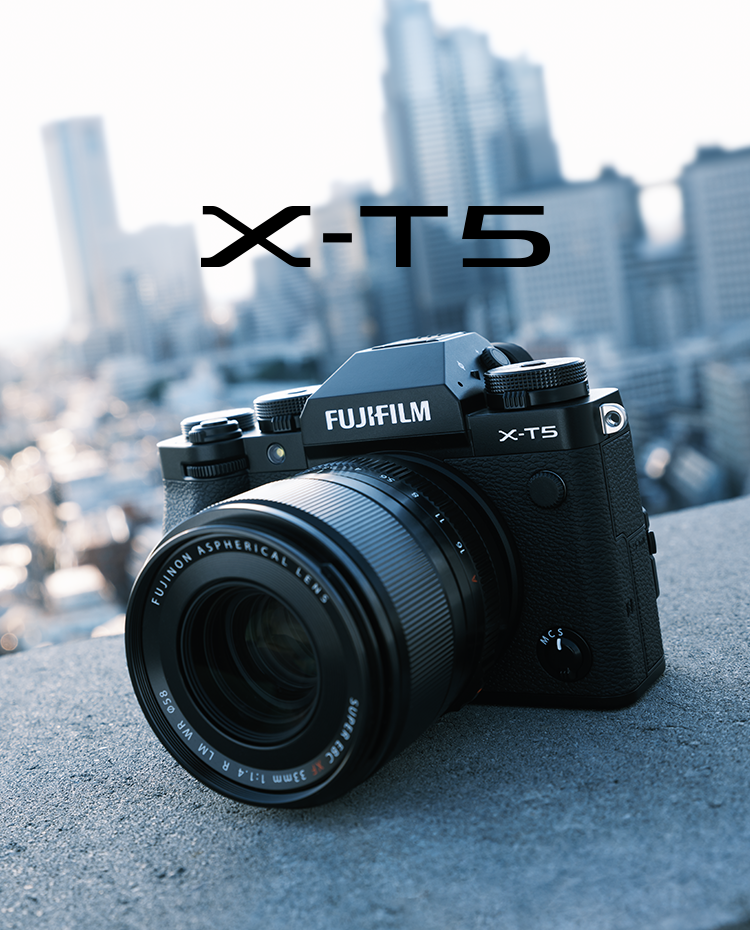
The Fujifilm X-T5 is the camera for lifestyle photographers who want Fujifilm color in a lighter kit.
The X-T5 packs 40MP into a smaller APS-C body, and Fujifilm’s film simulations give you a finished look in-camera. That means less editing for photographers who like Fujifilm’s color, which is why it’s a favorite for photographers who want a lighter kit and distinctive color.
Why portrait photographers like it: film simulations like Pro Neg. Std and Classic Chrome give skin tones a finished look straight out of the camera, the face and eye detection is reliable, and the XF 56mm f/1.2 gives you an 85mm-equivalent portrait view with soft backgrounds.
Watch out for: 40MP on APS-C demands sharp lenses.
Go-to portrait lens: Fujifilm XF 56mm f/1.2 R WR. It offers a field of view equivalent to an 85mm lens on full frame.
Best for: Fujifilm shooters and lifestyle photographers who value color and a lighter bag.

X-T5 owner review on FredMiranda
8. Fujifilm X100VI: Best Compact Camera for Portraits
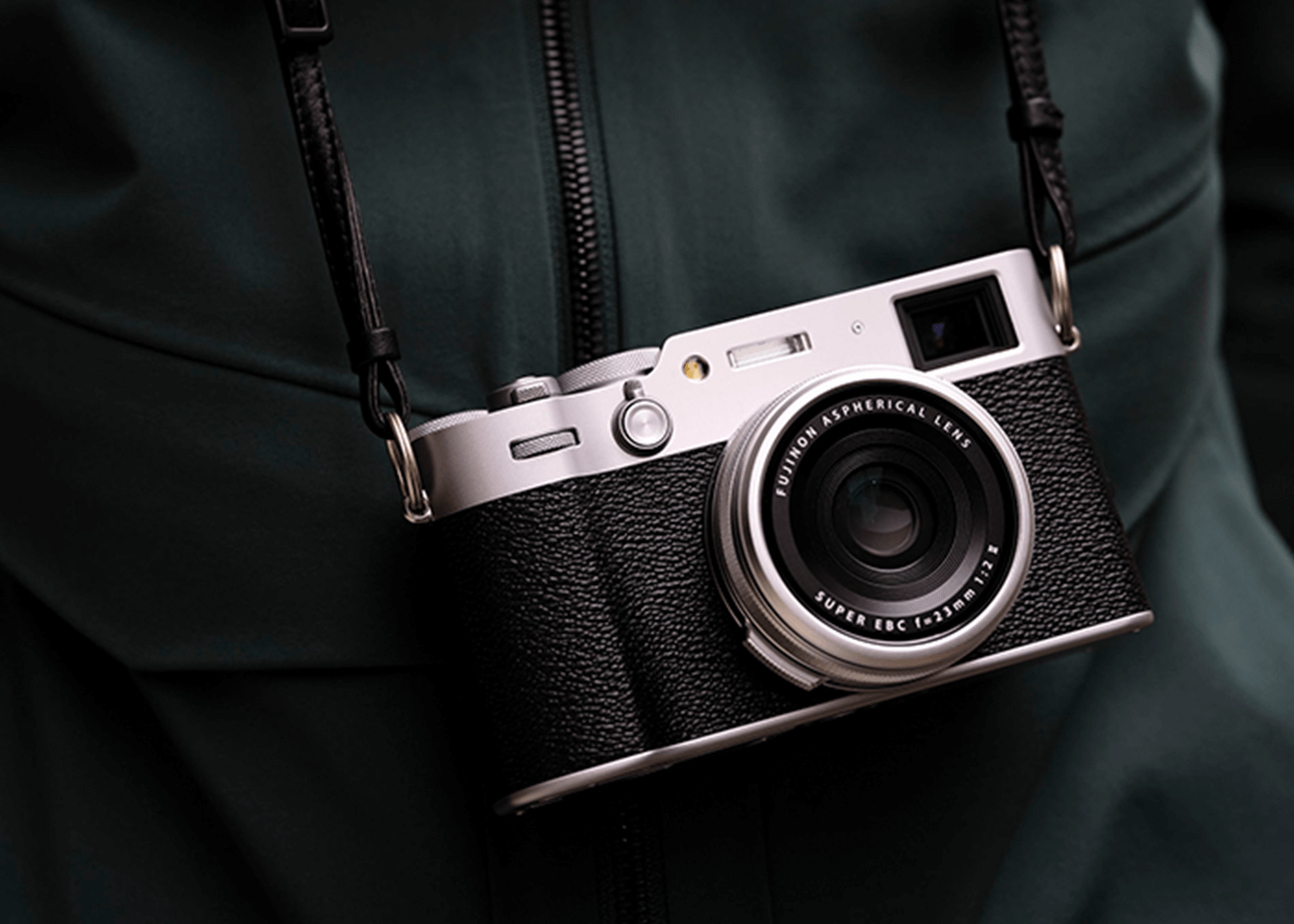
The Fujifilm X100VI is the camera for environmental and lifestyle portraits, where a small, friendly camera matters more than a long lens.
It has a 40MP sensor and a fixed 35mm-equivalent f/2 lens, in a body that fits in a jacket pocket. Move in close for a headshot, and that wide lens will distort a face. So it fails the classic portrait test. But for environmental portraits, lifestyle family sessions and behind-the-scenes coverage, it’s a joy.
Stock is still tight, and Fujifilm has raised prices on selected camera models in some markets amid rising component and manufacturing costs. The X100VI has also faced supply shortages due to high demand. For a full-frame option, the Sony RX1R III puts a 61MP sensor behind a 35mm f/2 lens, at about $5,100.
Why portrait photographers like it: the leaf shutter is near-silent and syncs with flash at high shutter speeds, so you can use fill flash outdoors at f/2. The built-in ND filter helps in bright sun, and the small body makes nervous subjects relax faster than a big full-frame rig.
Watch out for: It has a single SD card slot, so there’s no backup copy of a paid session. The battery is rated for about 310 shots with the electronic viewfinder, so carry spares for a full day.
Go-to portrait lens: the built-in 23mm f/2, which is a 35mm equivalent. There’s no lens to buy.
Best for: environmental portraits, travel sessions, and a second body clients find less intimidating.
Also Consider: Best Camera for Portrait Photography for Beginners
| Camera | Price (body) | Why it works for portraits | Trade-off |
| Canon EOS R8 | $1,649 (often $1,299 on sale) | Full-frame and Canon’s eye detection, in a light body | No in-body stabilization, one card slot |
| Nikon Z50 II | About $900 | Same eye detection as Nikon’s Z8 and Z9 | APS-C, so you need a fast lens for background blur |
| Canon EOS R50 | About $680 | The cheapest way into Canon’s RF lenses | Small grip, one card slot |
| Fujifilm X-M5 | $799 at launch | Fujifilm’s film simulations in a pocketable body | No viewfinder, no in-body stabilization |
| Used Sony A7 III | About $880–1,180 (pre-owned) | Full frame and dual card slots for under $1,000 | Older autofocus and menus, so check the shutter count |
Whichever you pick, put your next $500 into a fast prime lens. It will improve your portraits more than a pricier body.
How Does Your Camera Choice Affect Editing and Culling?
Your choice of camera decides how much time you’ll spend backing up, culling, editing, and retouching every shoot. Below, we look at how resolution, burst speed, tethering, and retouching each change that workload.
High-Resolution Files Slow Down Editing
A 66.8MP file has about twice the pixels of a 33MP file. That roughly doubles storage per session and slows imports, previews, and exports.
If you need the resolution for deliverables like LinkedIn headshots and 8×10 prints, plan for it: bigger drives, a faster machine, and batch tools that cull and crop the whole set at once.
Fast Burst Speeds Make Culling Harder
The A7 V shoots 30 fps, and the R6 Mark III shoots 40 fps. That’s wonderful for a toddler sprinting at you. But in a posed session, it can turn one expression into 20 near-identical frames that someone has to sort.
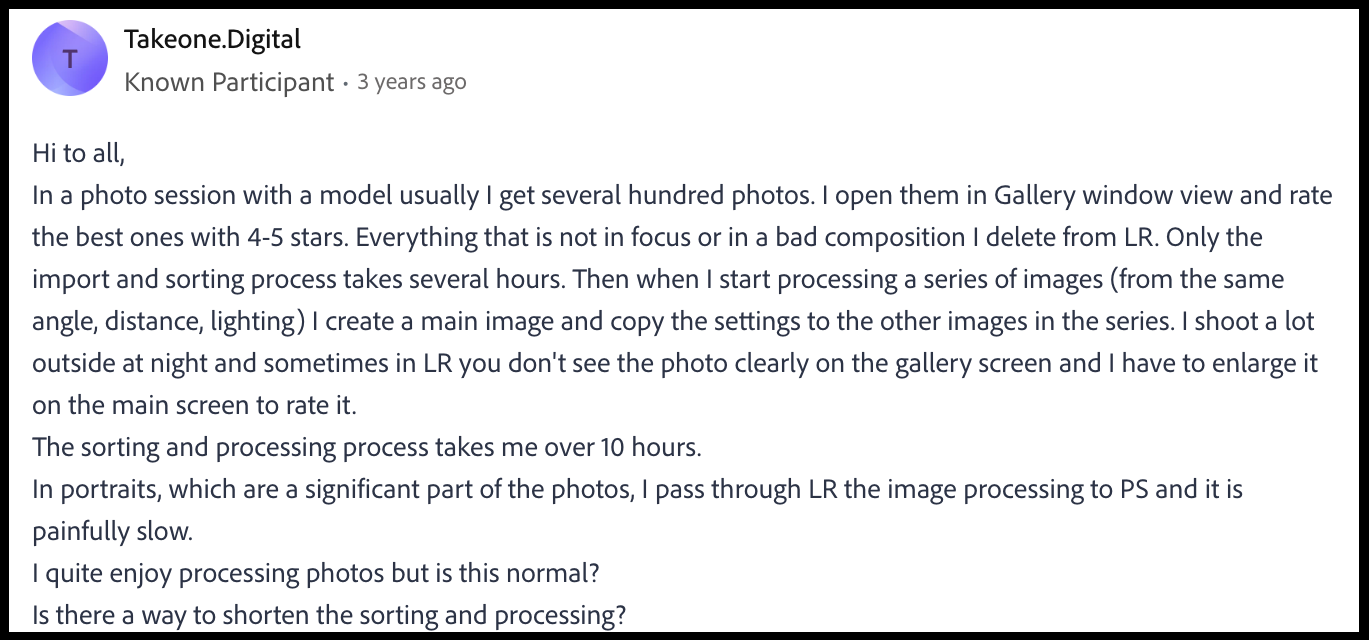
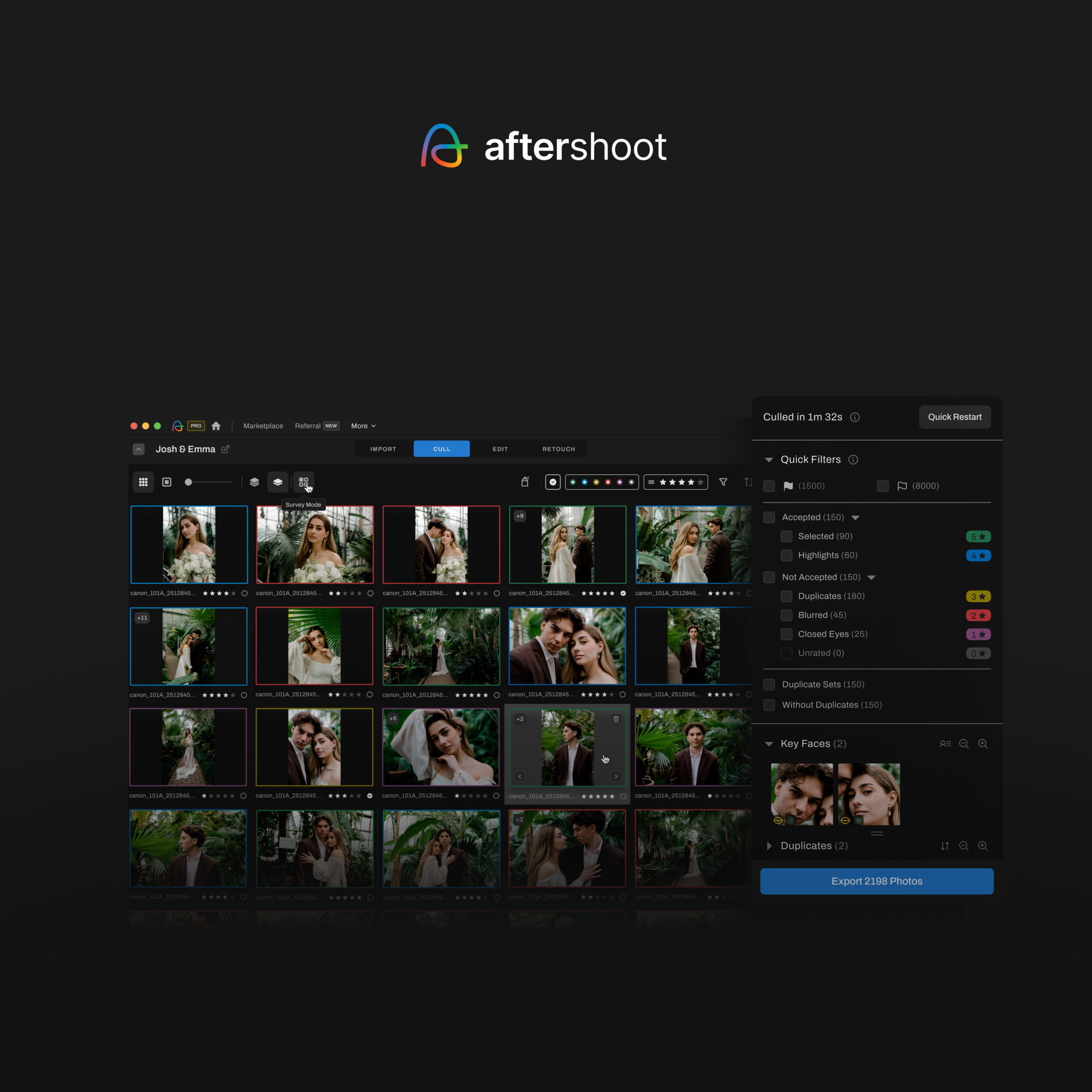
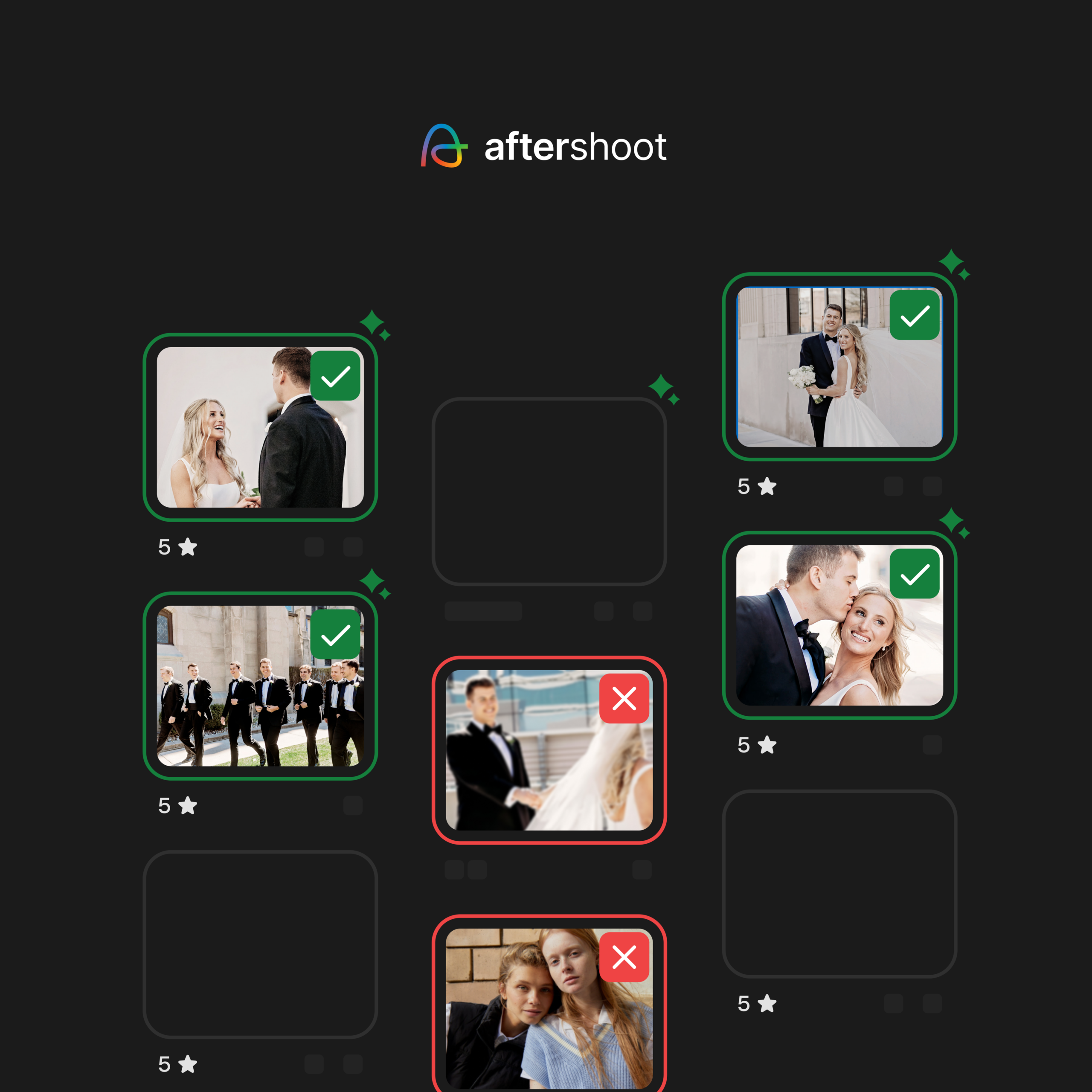
Set a low continuous rate (3–5 fps) for posed work. Then let AI handle the sorting. Aftershoot’s Cull to Target builds a set of the exact photo count you choose, weighing quality, coverage, and variety. People Filters let you find every frame of a specific person after culling.
Tethering Lets Headshot Clients Pick Frames on the Spot
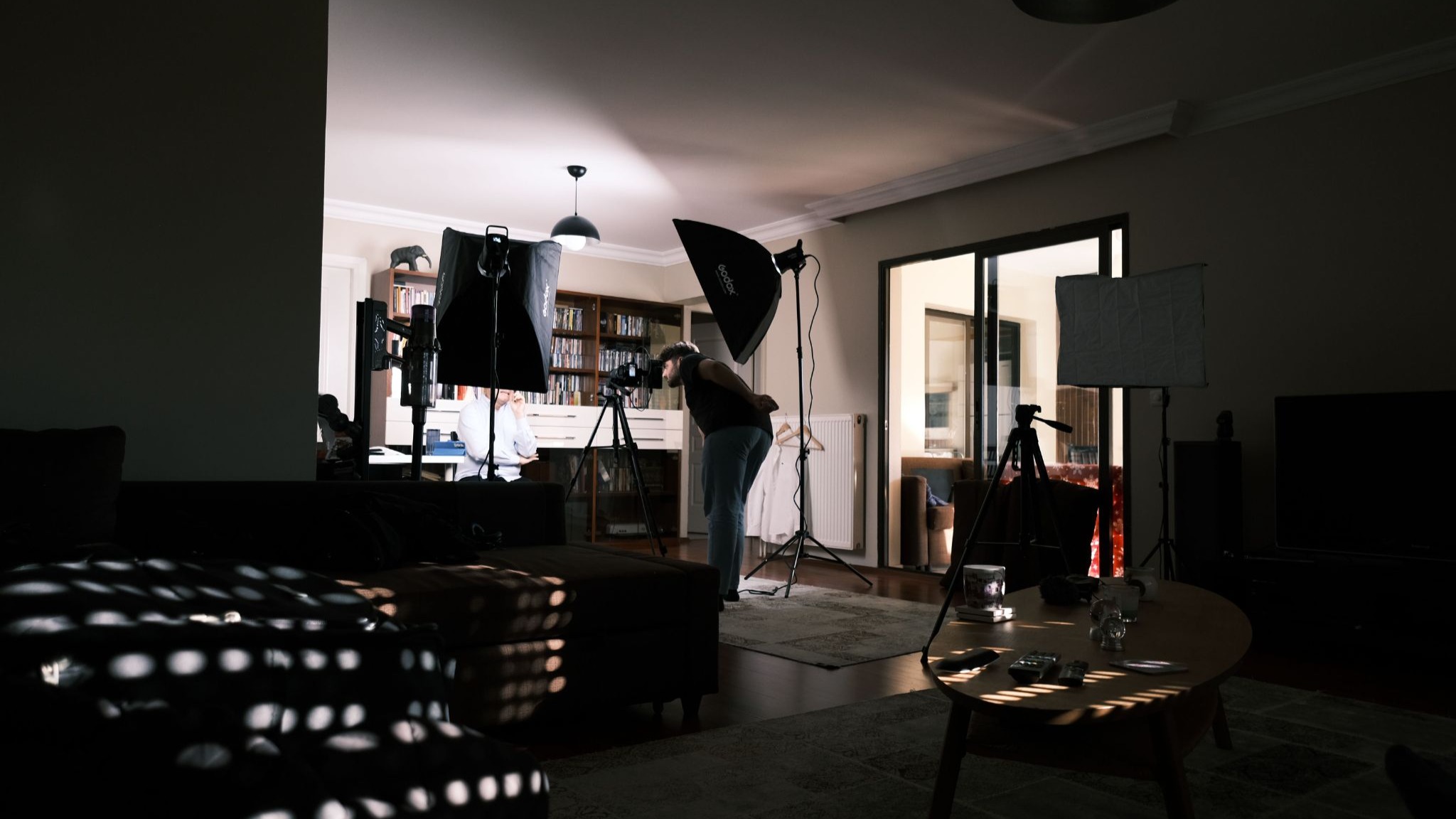
If you run a headshot studio, clients judge you by what they see on screen during the session. Tethering sends each frame from your camera to a laptop or monitor as you shoot. Clients pick their favorites on the spot, you catch soft focus or a stray hair before the next pose, and you leave with far fewer frames to cull.
Before you buy, check three things:
- First, the camera has a fast USB-C port, so large RAW files land on screen without a lag
- Second, your tethering software supports that exact model. Brand-new bodies can take a while to get support in Capture One or Lightroom
- Third, the camera can run on a dummy battery or AC adapter, because a full day of back-to-back sessions will drain any battery.
Batch Retouching Handles the Repeat Fixes
Headshots bring the same fixes every session: glare on glasses, redness, uneven skin tone, and tired eyes. Fixing them one face at a time can eat hours on a big corporate job.
Batch retouching tools, like Aftershoot’s AI Retouching, fix them across a whole set at once, so you only spend time on the frames that need extra care. Look for one that adapts to your style, so the batch still looks like your work.
Which Camera for Portrait Photography Fits Your Business?
| If you… | Buy this |
| Are starting a portrait business on a budget | Nikon Z5II |
| Shoot portraits and weddings with one body | Sony A7 V or Canon EOS R6 Mark III |
| Already own Canon RF lenses | Canon EOS R6 Mark III (or R5 Mark II for crops) |
| Run a corporate headshot studio and deliver several crops | Sony A7R VI or Canon EOS R5 Mark II |
| Sell large wall prints or fine-art portraits | Fujifilm GFX100S II |
| Want Fujifilm color and a lighter kit | Fujifilm X-T5 (or wait for the X-T6) |
| Want a pocket camera for lifestyle sessions | Fujifilm X100VI |
Once you’ve picked a camera, the next step is setting it up for portraits: the right aperture, shutter speed, ISO, and focus mode.
👁️ Also read: best camera settings for portraits
So, What’s the Best Camera for Taking Portraits?
Today, every good portrait camera covers the basics: eye autofocus, skin tones, and low-light performance. So the best portrait camera is the one that matches your deliverables.
For most pros, that’s a 33MP full-frame body like the Sony A7 V or Canon EOS R6 Mark III. Go higher only when clients pay for big prints or many crops. Then spend what you saved where it shows: a sharp 85mm lens and better light.
Then plan for the editing your camera creates. Our guide to portrait editing software compares the tools that keep that work manageable
FAQs for Best Camera for Portrait Photography
1. What is the Best Camera for Headshots?
For most photographers, the best camera for headshots is a 33MP full-frame body like the Sony A7 V or Canon EOS R6 Mark III. Both have reliable eye autofocus and enough resolution for tight crops. If you shoot loose and deliver several crops per frame, the 45MP Canon EOS R5 Mark II or 66.8MP Sony A7R VI gives you more room. Lighting and an 85–105mm lens matter more than the body.
2. Is Full Frame Better than APS-C for Portraits?
Yes, for almost everyone buying new in 2026. Mirrorless cameras track eyes across the whole frame, show exposure in the viewfinder, and get all the new lenses and firmware.
3. What is the Best Camera for Portrait Photography for Beginners?
The Canon EOS R8 is a strong first full-frame camera, and it often sells for $1,299. Under $1,000, the Nikon Z50 II costs about $900 and has the same eye detection as Nikon’s flagship cameras. Whichever you pick, budget for a fast prime lens. It will improve your portraits more than a pricier body.
4. What Camera Do Most Professional Portrait Photographers Use?
Most working portrait photographers use full-frame mirrorless cameras from Sony, Canon, or Nikon. Bodies like the Sony A7 V and Canon EOS R6 Mark III are common because they balance resolution, eye autofocus, and file size. Studios that crop heavily often move up to 45MP or more. There’s no single standard, though. Most pros stay with the system their lenses are in.
5. Can I Shoot Professional Portraits on an iPhone?
Recent iPhones support RAW and Portrait mode, which blurs the background. They’re great for social media and behind-the-scenes shots. But for paid portrait sessions, a dedicated camera is still better. iPhone blur can look unnatural around hair and glasses; the small sensor struggles in low light, and you can’t change lenses.
6. What Lens is Best for Portrait Photography?
An 85mm prime is the classic portrait lens for full-frame cameras. It gives flattering results and lets you shoot from a comfortable distance. A 50mm works better in small rooms and for half-body portraits. For tight headshots, try a 105–135mm lens. On an APS-C camera, a 56mm lens gives a similar view to an 85mm on full frame.