TL;DR
- Aperture: Avoid shooting wide open (f/1.2) constantly, balance blurry backgrounds (f/1.2−f/2.8) with storytelling context in environmental portraits using wider lenses (28mm).
- Shutter Speed: Use 1/250−1/500s for static portraits, 1/500−1/1000s for action, and 1/1000−1/8000s in bright daylight. Follow the Reciprocal Rule (Double focal length for minimum shutter speed).
- ISO: Don’t fear high ISOs; modern camera sensors handle noise exceptionally well.
- Camera Setup: Use Continuous AF (especially on mirrorless), set White Balance manually in Kelvin (e.g., 5600K for Daylight, 7000K for Shade), and always shoot RAW to dual memory card slots for maximum dynamic range and safety.
Richard Avedon. Annie Leibovitz. Yousuf Karsh. Platon.
Recognize these names? Each one built a career on balancing two things: the technical side of getting the shot, and the emotional side of connecting with the person in front of the camera. They let their settings become second nature, so their camera never got in the way of their vision.
That balance is what this guide is about. There’s no single “perfect” setting for portraits, no matter what genre you’re shooting. But there are reliable starting points that free up your brain to focus on being creative and getting results you’re proud of.
When I was starting out, my biggest hurdle wasn’t understanding what my camera could do. It was making quick decisions when the conditions in front of me changed. What do you do when the light in a room shifts? What happens when the sun comes out and you have no shade? Are you working with off-camera flash (OCF) or sticking to natural light?
You’re going to run into all of this. Here’s what generally works best for me.
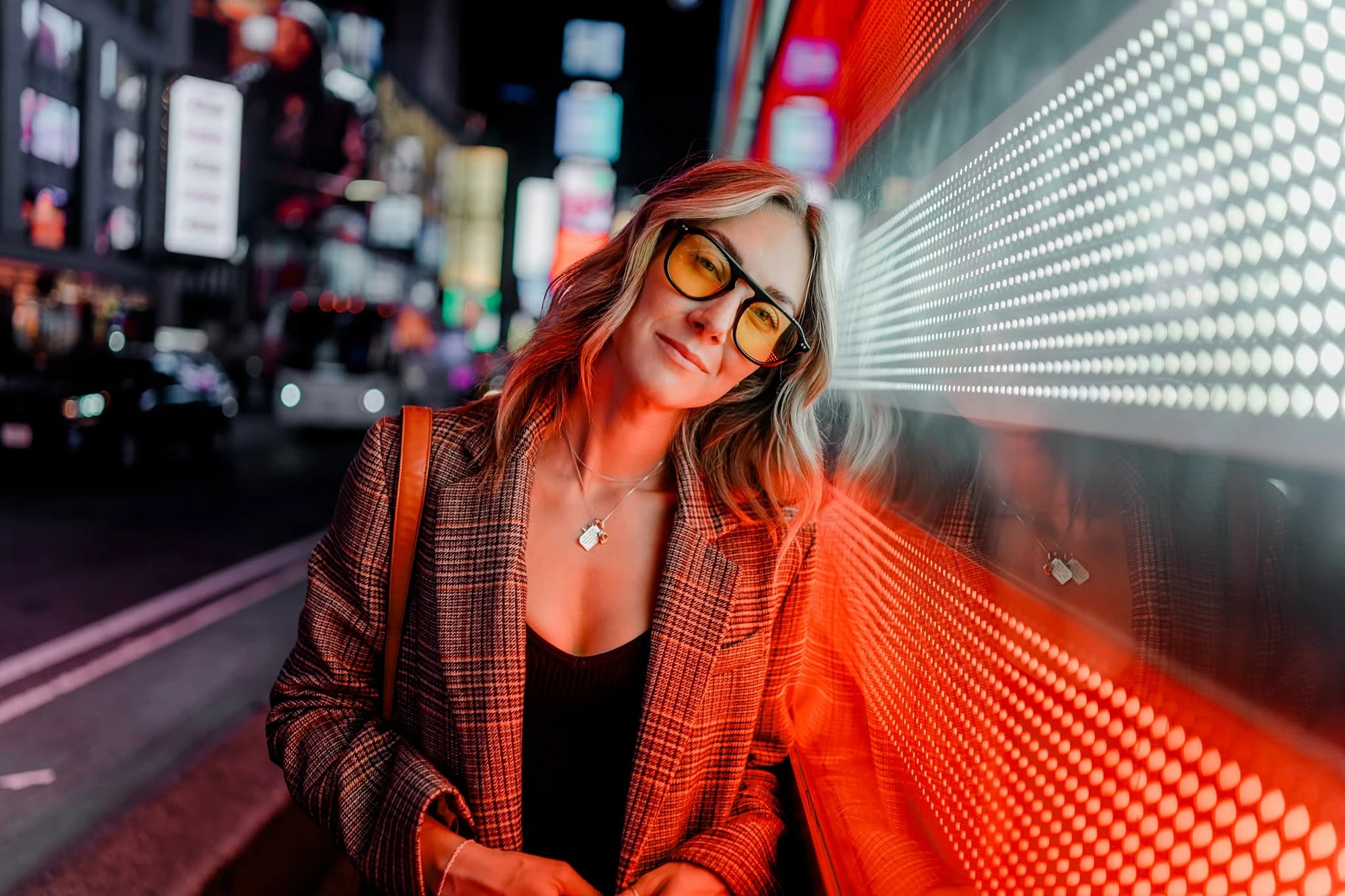
Best Aperture Settings for Portrait Photography
Let’s start with the bokeh-licious elephant in the room: aperture.
When I started my career, I picked up an 85mm f/1.2 for the first time, took a test shot, and thought, “I am never getting out of 1.2.” It happens to the best of us. You see that creamy background and it feels like your images can’t get any better.
Here’s the thing: they can. As long as you don’t obsess over shooting wide open.
My advice is to find balance. Shoot wide open for beautiful, bokeh-centric images, but also use your aperture to tell a story, not just to make your subject “pop.” When I kept my aperture wide open all the time, I realized there was very little storytelling happening in my images. Shooting wide open had become my whole personality as an artist, and I hated it.
Once I got out of that f/1.2 habit, I started noticing that backgrounds could be interesting. It made me more aware of my composition. It made me a better storyteller. I also realized lenses tend to be sharper when they’re not constantly shot wide open.
Don’t let your aperture become your entire personality. A balance of both will genuinely make you a better artist. Here’s how I generally think about it:
Individual portraits
- f/1.2 – f/2.8 gives you the creamy background everyone loves. I generally shoot with a 50mm f/1.2 and an 85mm f/1.4, and a 70-200mm is also a very popular choice for that buttery background and compression.
Environmental portraits
- For this look, I love mixing a wider focal length with both wide and narrow apertures. My go-to is a Thypoch 28mm f/1.4. It’s one of my all-time favorite lenses for its sharpness, its weight, and the fact that it goes down to f/1.4. This lens stays on my camera for 90-95% of my environmental portrait work. It’s that good.
At the end of the day, your aperture should match the story you’re trying to tell, not just create a blurry background. Get out there and practice.
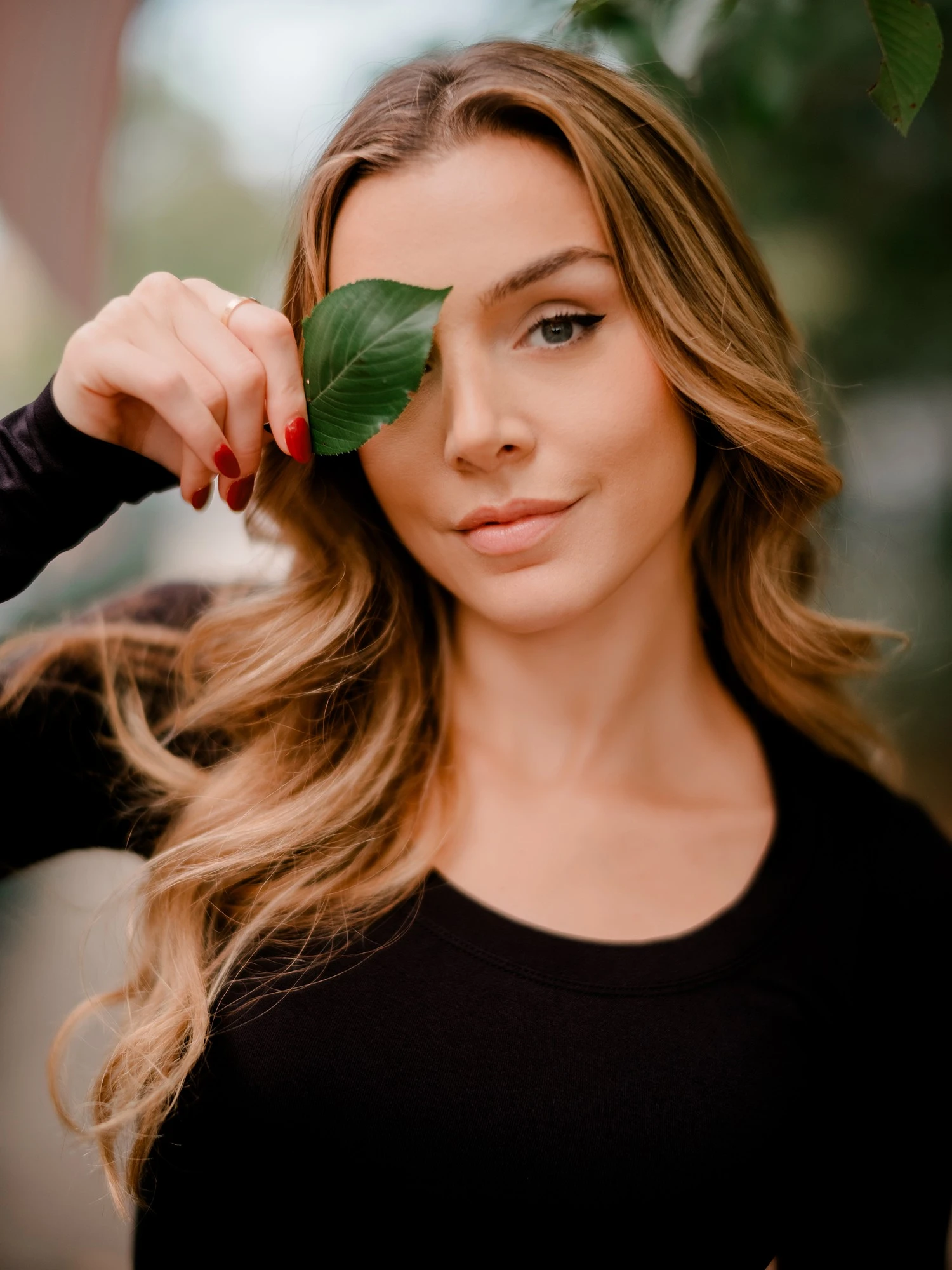
Shutter Speed Settings for Portrait Photography
Understanding shutter speed is what lets you make images that lean toward creativity instead of static, boring ones.
When you’re deciding on shutter speed for a portrait, ask yourself:
- Is there a possibility of camera shake?
- Do you want to show movement in your subject or their surroundings?
- What focal length are you shooting with?
Here are the practical guidelines I use:
- 1/250 – 1/500 sec for more static, posed images
- 1/500 – 1/1000 sec for action shots where you need to freeze your subject
- 1/1000 – 1/8000 sec for bright daylight when you want to shoot wide open, since a wider aperture requires a faster shutter to get a properly exposed image
There’s also the reciprocal rule: multiply your focal length by two to figure out the lowest shutter speed you should use to keep things sharp. For example, if I’m shooting with a 200mm lens, the lowest I’d want to go is 1/400 sec. That said, you can sometimes get away with going lower on a modern camera, since in-body stabilization significantly improves your chances of fighting camera shake.
ISO Settings for Portraits
This might be an unpopular opinion, but I don’t pay too much attention to ISO if my other two settings are dialed in. Today’s sensors are incredible at high ISO and low-light performance, so I’m not afraid to push it when I need to. Gone are the days when you couldn’t go past ISO 800.
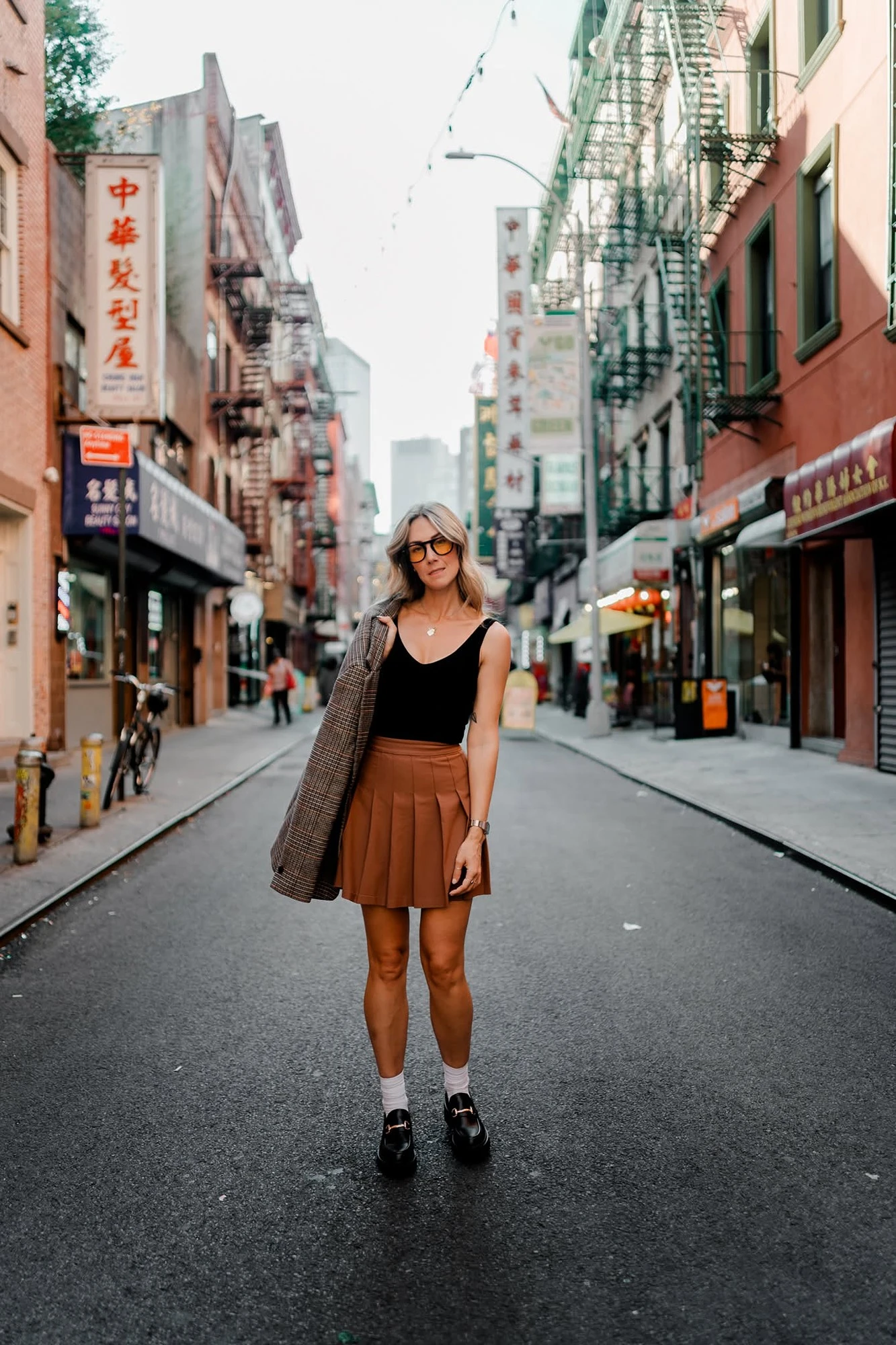
Setting Up Your Camera for Portrait Sessions
Once your exposure settings are locked in, the next step is making sure your camera is set up to work for you, not against you. This was one of my biggest issues early in my career. I wanted to control everything myself, and it pulled me out of connecting with my clients, which led to some pretty subpar images.
Autofocus
Use continuous autofocus if you’re shooting with a modern mirrorless camera. These cameras focus directly on the sensor rather than using a separate focusing mirror, which means more accuracy. Mirrorless plus continuous focus will get you a lot closer to never worrying about missing focus.
White Balance
This one depends on who you ask. My personal preference is to get everything right in camera, so I shoot in Kelvin. I also like showing clients the back of my camera during a session, and if the white balance looks off, it won’t have the impact I want it to.
If you want a cheat sheet, here’s what I generally use:
- Shaded areas: 7000K
- Cloudy days: 6000K
- Daylight: 5600K
- When using flash: 5500K
That doesn’t mean Auto White Balance is bad, it’s really just a preference. White balance can also be easily adjusted in post as long as you’re shooting RAW. Plus, with AfterShoot’s updated white balance models, it’s even easier to get consistent results across an entire shoot.
RAW vs. JPEG for Portrait Photography
Which brings me to my last piece of advice: RAW or JPEG?
If you’d asked me this 10-15 years ago, I would have said it depends, mostly because of hard drive space, your camera’s buffer size, and a few other things. With today’s technology and the cost of storage, I’d recommend RAW 100% of the time. It gives you the most flexibility in post, better dynamic range, and better highlight and shadow recovery.
Speaking of highlight and shadow recovery: in my experience, Sony, Nikon, Panasonic, and any camera with a Sony-manufactured sensor tend to recover shadows a bit better. Canon sensors tend to recover highlights a bit better than the others. Adjust your shooting style based on which system you’re using.
If your camera has two memory card slots (which I highly recommend), I’d suggest shooting RAW to slot one and JPEG to slot two. That way, if anything happens to your files, you’ve still got a backup set of JPEGs to work with.
Congratulations! You’re ready to photograph your first portrait session! Try all of this out and challenge yourself. If you’re ready to level up your portrait game, we are going to be doing a write up on Off Camera Flash photography for portraits soon so, stay tuned!
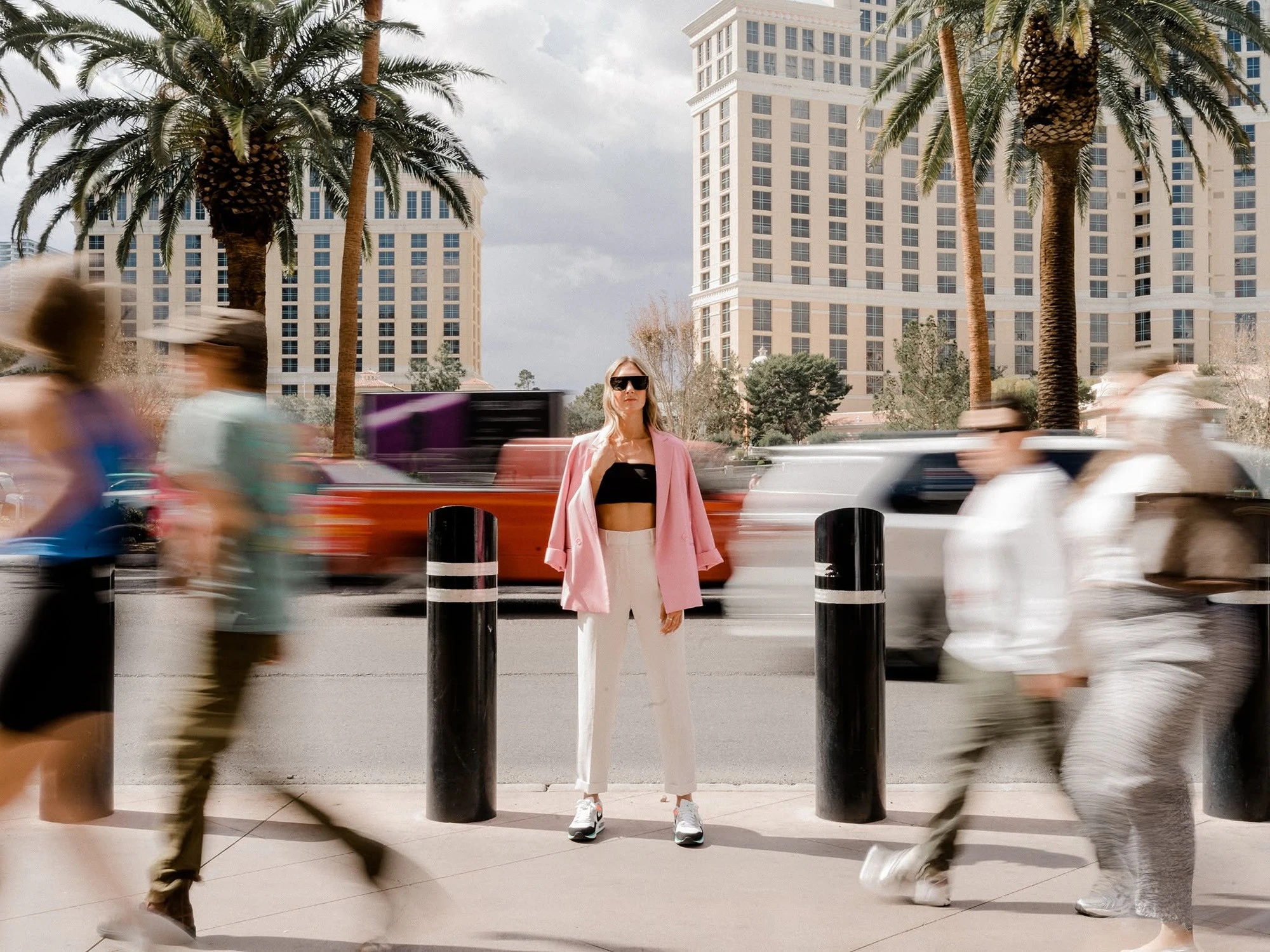
FAQs for Best Camera Settings for Portrait Photos
Q1. What is the best aperture for individual portraits?
An aperture between f/1.2 and f/2.8 is ideal for individual portraits to create a soft, creamy background (bokeh) and separate your subject from the surroundings. However, don’t shoot wide open all the time, use narrower apertures when you want to include background context in environmental portraits.
Q2. How do I choose the correct shutter speed for portraits?
Use 1/250s to 1/500s for still, posed portraits, and 1/500s to 1/1000s to freeze movement in candid or action shots. To avoid camera shake, follow the Reciprocal Rule: double your lens’s focal length to determine your minimum shutter speed (e.g., at least 1/400s for a 200mm lens).
Q3. Is high ISO bad for portrait photos?
Not with modern cameras. Today’s camera sensors handle high ISO levels extremely well with minimal noise. Focus on getting your aperture and shutter speed dialed in first, and don’t be afraid to push the ISO up if lighting conditions demand it.
Q4. Should I shoot portraits in RAW or JPEG?
You should shoot in RAW 100% of the time. RAW files provide maximum dynamic range, greater flexibility during editing, and better highlight and shadow recovery. If your camera has dual card slots, shoot RAW to Slot 1 and backup JPEGs to Slot 2.
Q5. What Kelvin values should I use for custom White Balance?
Quick reference guide for Kelvin settings:
Daylight: 5600K
Flash/OCF: 5500K
Cloudy: 6000K
Shade: 7000K