TL;DR
- Starting rates for 2026: beginners commonly charge $50–$150 an hour and experienced professionals $100–$300+. Portrait sessions usually run $250–$750, weddings $2,000–$5,000+, and commercial work is priced as a day rate ($800–$5,000+) plus licensing.
- Work out your floor before you look at anyone else’s prices: add your annual expenses, target salary, taxes and a profit buffer, then divide by the number of shoots you can realistically book. For example, $108,000 ÷ 60 shoots means an average of $1,800 per shoot.
- Price the whole job, not the hour on camera: once planning, culling, editing and delivery are counted, a $2,500 wedding can drop from $312 an hour to about $66.
- Choose a pricing model to match the work: hourly for events, packages for weddings and portraits, and a day rate plus licensing for commercial clients.
- Charge separately for commercial usage: licensing can range from a few hundred dollars for local web use to $10,000+ for national paid campaigns.
- Keep your costs predictable: flat-rate tools such as Aftershoot cost the same whether you deliver 300 images or 3,000.
- Review your prices once or twice a year: raise them when you’re consistently booked out, your costs have gone up or your work has improved.
Knowing how much to charge for photography is one of the hardest parts of running a photography business. Charge too little, and you may stay booked while barely making a profit. Charge too much without clearly communicating your value, and potential clients may struggle to understand what they’re paying for.
A good photography pricing strategy is not based on guesswork. It should account for your cost of doing business, your time, your experience, your market, your editing workload, your delivery costs, and the usage rights your client needs.
Quick answer: In 2026, beginner photographers commonly charge $50–$150 per hour and experienced professionals $100–$300+ per hour. Portrait sessions usually run $250–$750, established wedding photographers typically charge $2,000–$5,000+, and commercial work is priced as a day rate plus a licensing fee. Event photographers often bill by the hour, portrait photographers by session package, and wedding photographers by full-service package.
But those numbers are only starting points. Your actual photography prices should come from your business math. If you’re just starting a photography business, the right approach and tools can help you establish a pricing structure that accurately reflects your value from the get-go.
Use this guide to calculate your minimum profitable rate, compare common photography pricing models, build packages, and avoid the most common pricing mistakes photographers make.
You can also use our free photography pricing calculator to estimate what you need to charge based on your expenses, income goals, and number of bookings.
Photography Pricing Cheat Sheet: Quick Starting Ranges
| Experience level | Hourly rate | Per edited image | Typical package range |
|---|---|---|---|
| Hobbyist / portfolio-building | $25–$75 | $10–$25 | Short sessions, often portfolio trades |
| Student | $50–$120 | $25–$100 | Short portrait and event sessions |
| Beginner / entry-level | $50–$150 | $25–$75 | $100–$1,500 (mini sessions to small weddings) |
| Professional | $100–$300+ | $75–$350+ | $250–$5,000+ (portrait sessions to full weddings) |
| Top professional / commercial | $250–$500+, or a day rate | $200–$1,200+, or priced by usage | Commercial day rates commonly $800–$5,000+, plus licensing |
Before we get into the full pricing process, here are common starting ranges photographers use when building their rate cards.
These are not fixed rules. Your final pricing should depend on your cost of doing business, experience, location, client type, editing workload, turnaround time, and usage rights.
A. Beginner Photography Pricing
Beginner photographers are usually still building their portfolio, refining their client experience, and learning how long each project really takes from inquiry to final delivery.
A common starting point is:
- $50–$150 per hour
- $25–$75 per edited image
- $100–$350 for short portrait, family, or mini-session packages
- $500–$1,500 for small weddings or limited-coverage events
If you are a beginner, avoid pricing only to “get booked.” Your rates still need to cover your time, software, travel, taxes, equipment wear, gallery delivery, communication, and editing.
B. Professional Photography Pricing
Professional photographers usually charge more because they bring consistency, experience, a stronger portfolio, smoother client communication, faster delivery, better equipment, backup systems, and a more polished client experience.
A common professional range is:
- $100–$300+ per hour
- $75–$350+ per edited image
- $250–$750+ for portrait, family, or branding sessions
- $2,000–$5,000+ for wedding photography packages
- $150–$500 per hour for event photography
Custom pricing for commercial, editorial, and product photography based on production needs and usage rights. The more responsibility a shoot carries, the more your pricing should reflect preparation, risk, expertise, and post-production.
C. Top-Professional and Commercial Photography Pricing
High-end photographers, commercial photographers, and photographers working with brands often price differently from family, portrait, or wedding photographers.
Instead of charging only by the hour, they may charge for:
- Creative direction
- Pre-production planning
- Shoot day rate
- Assistants or second shooters
- Studio rental
- Equipment rental
- Editing and retouching
- Licensing and usage rights
- Rush delivery
- Exclusivity
- Campaign duration and distribution
For commercial photography, the same image can have very different value depending on whether it is used once on a local website or across a national advertising campaign.
How to Calculate Your Photography Pricing
A simple way to price your photography is to work backward from what your business needs to earn.
Use this formula:
Annual business expenses + desired annual salary + taxes + profit buffer = total revenue needed
Then divide that number by the number of paid shoots or billable hours you realistically expect to book in a year.
Not sure what to put for taxes? Many self-employed photographers in the U.S. set aside 25–30% of income for federal, state and self-employment tax. Confirm your own rate with an accountant, and see our guide to taxes for photographers.
Here’s how that works for a photographer who wants a $60,000 salary:
| Line item | Example |
|---|---|
| Annual business expenses | $20,000 |
| Desired salary | $60,000 |
| Estimated taxes | $18,000 |
| Profit buffer | $10,000 |
| Total revenue needed | $108,000 |
| ÷ Paid shoots per year | 60 |
| Minimum average per shoot | $1,800 |
Prefer to think in weeks? $108,000 ÷ 45 working weeks = $2,400 a week. Most photographers can’t bill all 52 weeks once holidays, sick days and slow seasons are counted.
That does not mean every session must cost $1,800. You may have smaller sessions, larger packages, upsells, albums, prints, retainers, or commercial projects. But this number gives you a reality check: if your average booking is too low, your business may not be sustainable.
This is why photography pricing should never be based only on what other photographers charge. Market research is useful, but your own numbers matter more.
What is your cost of doing business (CODB)?
Before setting your prices, it’s essential to calculate your cost of doing business (CODB).
Your cost of doing business (CODB) is everything it costs to keep your photography business open for a year, whether or not you book a single shoot. It includes fixed costs (insurance, software, website, rent) and variable costs that rise with each job (travel, second shooters, prints, outsourced editing). Your CODB sets the floor: price below it and you’re paying to work.
Thoroughly assessing your fixed and variable expenses can help you establish a baseline for covering your business overhead and generating a profit.
Hidden Photography Costs You Should Include in Your Pricing
Many photographers undercharge because they only think about the shoot itself. But your client is not just paying for the hour you spend with a camera in your hand.
Your pricing also needs to cover the time, tools, and business expenses that make the shoot possible.
Common photography business costs include:
- Camera bodies, lenses, flashes, batteries, memory cards, bags, and accessories
- Gear maintenance, repairs, replacements, and depreciation
- Computer, monitor, hard drives, cloud backups, and storage
- Editing software, culling software, retouching tools, client gallery delivery, CRM, invoicing, and website costs
- Insurance, accounting, bookkeeping, taxes, and legal templates
- Marketing, ads, SEO, email tools, sample albums, and printed collateral
- Travel, parking, mileage, accommodation, and meals for long shoots
- Client communication, calls, proposal writing, contracts, and follow-ups
- Editing, retouching, exporting, uploading, and gallery management
- Assistants, second shooters, studio rental, props, rentals, and outsourcing
- Education, workshops, memberships, and portfolio development
If you do not account for these costs, you may think you are making money when you are actually paying for the client’s shoot out of your own pocket.
A healthy photography price should cover your expenses, compensate your time, and leave room for profit.
Don’t Forget Editing Time When Pricing Photography
A one-hour shoot is rarely a one-hour job, and your time isn’t the only thing on the line. Your creative vision, technical skill, and experience are part of what you’re charging for, not just the hours on a clock.
For most photographers, the total project includes inquiry replies, consultation calls, planning, travel, setup, shooting, importing, culling, editing, retouching, exporting, uploading, gallery delivery, client revisions, and final file management.
That means a “quick” session may take five to eight total hours. A wedding may take several full working days once you include culling and editing. A commercial job may require pre-production, client approvals, retouching rounds, and delivery in multiple formats.
This is where many photographers lose profit.
When building your prices, estimate the full time required for each project:
- Client communication time
- Planning and preparation time
- Travel and setup time
- Shooting time
- Culling time
- Editing time
- Retouching time
- Gallery delivery time
- Revision or follow-up time
- Admin and invoicing time
Here’s what that does to your real hourly rate. Say you charge $2,500 for a wedding with eight hours of coverage:
| What you count | Hours | Effective hourly rate |
|---|---|---|
| Shooting only | 8 | $312 |
| + planning, travel and client communication | 16 | $156 |
| + culling, editing and delivery | 38 | $66 |
llustrative example. Swap in your own hours.
Post-production is usually the biggest block of hours you can shrink without cutting quality. AI tools like Aftershoot can take the first pass at culling and apply your editing style across a full gallery, while you review and adjust every selection and edit. Every hour you save raises your effective rate without touching your price, or frees time to offer faster delivery as a paid upgrade.
The idea is not to charge less because you are faster. The goal is to protect your profit while giving your clients a smoother experience.
Want to see your own numbers? Run your next gallery through Aftershoot with a 30-day free trial – no credit card required.
How Much Should I Charge for Photography?
How you charge matters as much as how much. The same $2,500 can be an hourly booking, a package or a day rate, and each one sets different client expectations. Here’s how the common photography pricing models compare:
| Model | Best for | How it works | Watch out for |
|---|---|---|---|
| Hourly | Events, corporate jobs, short sessions | Rate × hours booked, usually with a minimum booking | Clients watch the clock; build editing time into the rate |
| Per project (flat fee) | Weddings, defined commercial jobs | One fee for a written scope | Scope creep if deliverables aren’t listed |
| Packages (good, better, best) | Weddings, portraits, families | Two or three bundles with set coverage and image counts | Too many options slow the decision |
| Day or half-day rate | Commercial, editorial, corporate | Creative fee for the day; licensing priced separately | Never include unlimited usage in a day rate |
| Print and digital (à la carte) | Portrait studios, schools, events | Lower session fee plus product and download sales | Income depends on sales after the shoot |
| In-person sales (IPS) | Family, newborn and boudoir studios | Session fee, then a viewing appointment where clients order | Needs a confident sales process |
| Retainer | Brands, real estate agencies, restaurants | Recurring monthly fee for set deliverables | Define monthly limits and rollover |
1. Hourly Rate
This model charges clients based on the hours worked. It’s ideal for event photography, where the time spent on location is easy to estimate. You can also use this model for mini-sessions, where the pricing can be done based on the hours booked. Beginners commonly charge $50–$150 per hour and experienced photographers $100–$300+, while event photographers often charge $150–$500 per hour. Many set a minimum number of hours so short bookings still cover travel and editing.
2. Per Project
This flat fee covers an entire project, regardless of how much time it takes. It’s often used for weddings or corporate shoots, where clients prefer knowing the total cost upfront. Small commercial projects can start around $500, while wedding photographers commonly charge $2,000–$5,000 for full-day coverage.
3. Packages
Offer clients a selection of bundled services at a set price. For example, a wedding package might include a pre-wedding shoot, full-day coverage, and a photo album. Packages provide value to clients and streamline pricing.
4. Day Rate
Similar to the hourly rate, but for a full day of work. This is common for commercial or editorial photography, where a photographer’s presence is required for an extended period.
5. Print and Digital Pricing
Charge separately for prints and digital files. This model allows photographers to offer lower upfront session fees while generating additional revenue through print and digital sales.
6. Retainer
Clients pay a recurring fee to retain your services over a period of time. This is common with businesses needing regular photography work, like real estate or product photography.
Each of these models can be adapted to fit your unique business needs, helping you set fair and profitable rates.
7. In-Person Sales
With in-person sales, you charge a session fee that covers the shoot, then clients choose and buy their images, prints or albums at a viewing appointment (in person or on a video call). It can produce a much higher average sale per client, but it needs a confident sales process and time set aside for each reveal. If you’d rather sell online, client galleries with a built-in print store, such as Aftershoot Galleries, let clients order prints and downloads straight from their gallery.
How To Conduct Market Research for Photography
Embarking on effective pricing entails more than just internal calculations; it involves understanding the external landscape. Conduct thorough market research to gain insights into the industry standards and competitive pricing in your area.
Explore what other photographers with similar experience and specialties are charging. According to Professional Photographers of America, “on average, photographers make about 20% of their total income. That means if you charge $100 for a shoot, only $20 goes to you as pay, the rest covers things like new equipment, maintenance, software, and healthcare.“
Many photographers don’t publish full price lists, but most share starting prices (“Weddings from $3,200”). Collect those from 10–15 photographers in your niche and city who are at a similar experience level.
Pro Tip: Create a spreadsheet to compare how other photographers are charging in your area. Consider factors like level of experience, niche, and pricing models to understand what might work for your business.
While it’s important to be aware of the market rates, it’s equally vital to assess the unique value and quality you bring to differentiate yourself from the competition.
To craft a competitive yet distinct pricing strategy, strike a balance between industry norms and your unique offerings.
How Much Do Photographers Make?
According to the U.S. Bureau of Labor Statistics, the median wage for photographers was $21.47 an hour, or $44,660 a year, in May 2025. The lowest-paid 10% earned under $14.82 an hour and the top 10% earned more than $44.14.
Those figures include salaried staff photographers. If you’re self-employed, your income depends far more on your pricing and bookings: at the $1,800 average from the example above, 60 shoots a year brings in $108,000 in revenue before expenses and taxes.
Photography Pricing by Niche (Examples)
| Niche | Typical price range | Common pricing model |
|---|---|---|
| Portrait | $100–$2,000+ per session | Session package |
| Wedding | $500–$10,000+ per event | Full-day package |
| Event | $150–$500 per hour | Hourly / half-day / full-day, with a minimum |
| Headshot | $150–$500 per person | Per session; per person or day rate for teams |
| Real estate | $120–$800+ per listing | Per listing, plus add-ons |
| Product / e-commerce | $25–$175 per image | Per image, or day rate for large catalogs |
| Food | $150–$500+ per job | Per project or day rate |
| Commercial / advertising | $800–$5,000+ per day, plus licensing ($250–$10,000+) | Creative fee + usage license |
Different types of photography require different pricing models. A wedding, a headshot session, a product shoot, and a real estate listing all have different expectations, timelines, editing requirements, and usage rights.
Use the ranges below as starting points, then adjust based on your local market, experience, demand, and cost of doing business.
Portrait photography pricing

Portrait photographers often charge using session packages. A basic portrait session may include a set amount of shoot time, a limited number of edited images, and an online gallery.
Common pricing structure:
- Mini-session: $100–$250
- Standard portrait session: $250–$750
- Premium portrait or branding session: $750–$2,000+
- Additional edited images: priced per image or as an upgrade package
- Prints, albums, or wall art: priced separately
Portrait pricing should account for prep time, posing guidance, editing, retouching, gallery delivery, and the level of personal attention you provide.
Wedding photography pricing
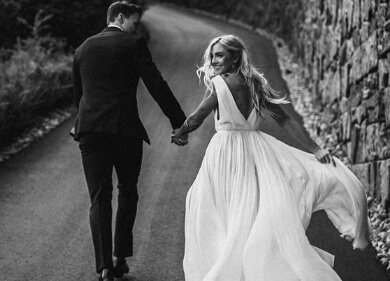
Wedding photography is usually priced as a package because clients want to understand the full investment upfront.
Common pricing structure:
- Limited coverage or beginner wedding package: $500–$1,500
- Standard wedding package: $2,000–$5,000
- Premium wedding package: $5,000–$10,000+
- Luxury or destination wedding package: custom pricing
Wedding packages may include engagement sessions, full-day coverage, second shooters, albums, sneak peeks, online galleries, travel, and timeline planning.
Wedding photographers should also price for the responsibility of the event. There are no reshoots for a wedding day, so your experience, backup gear, planning, and reliability all carry value.
Event photography pricing
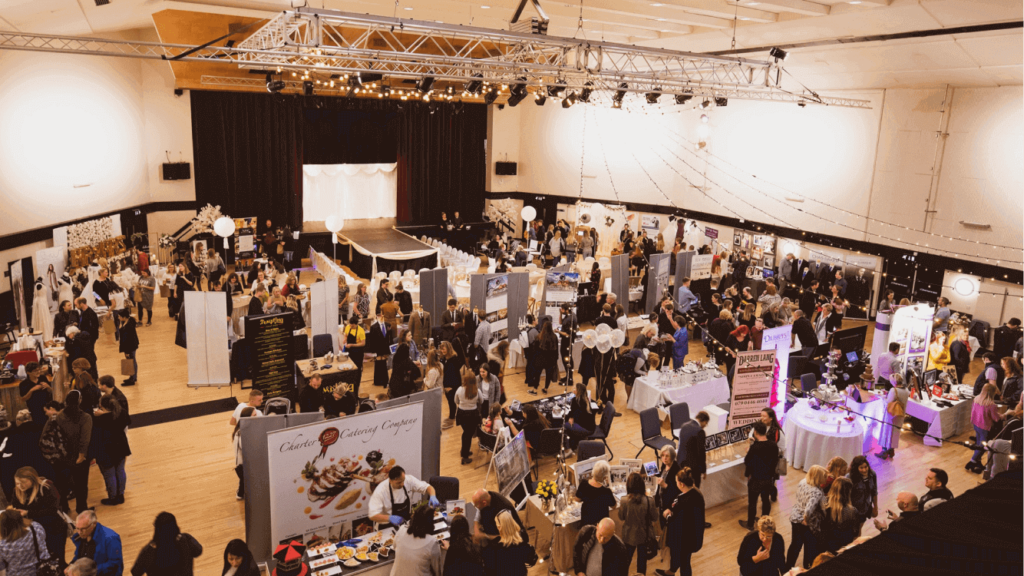
Event photographers often charge hourly, half-day, or full-day rates.
Common pricing structure:
- Hourly event coverage: $150–$500 per hour
- Half-day event coverage: custom package rate
- Full-day event coverage: custom package rate
- Rush delivery: added fee
- On-site delivery or live editing: added fee
- Commercial usage: licensed separately when needed
Event pricing should account for the pace of the event, number of final images, turnaround time, lighting conditions, travel, and whether the client needs the images for private memories, press, social media, or commercial promotion.
Headshot photography pricing

Headshot pricing depends on whether you are photographing individuals, teams, or corporate groups.
Common pricing structure:
- Individual headshot session: $150–$500
- Team headshots: per person or half-day/full-day rate
- Corporate headshot day: custom package rate
- Additional retouched images: priced per image
- On-location setup: added fee
- Rush delivery: added fee
Corporate headshot pricing should include setup, lighting, backdrop, file delivery, retouching, and usage. If the company plans to use the images in ads, campaigns, or broad marketing materials, consider whether a commercial license is needed.
Real estate photography pricing
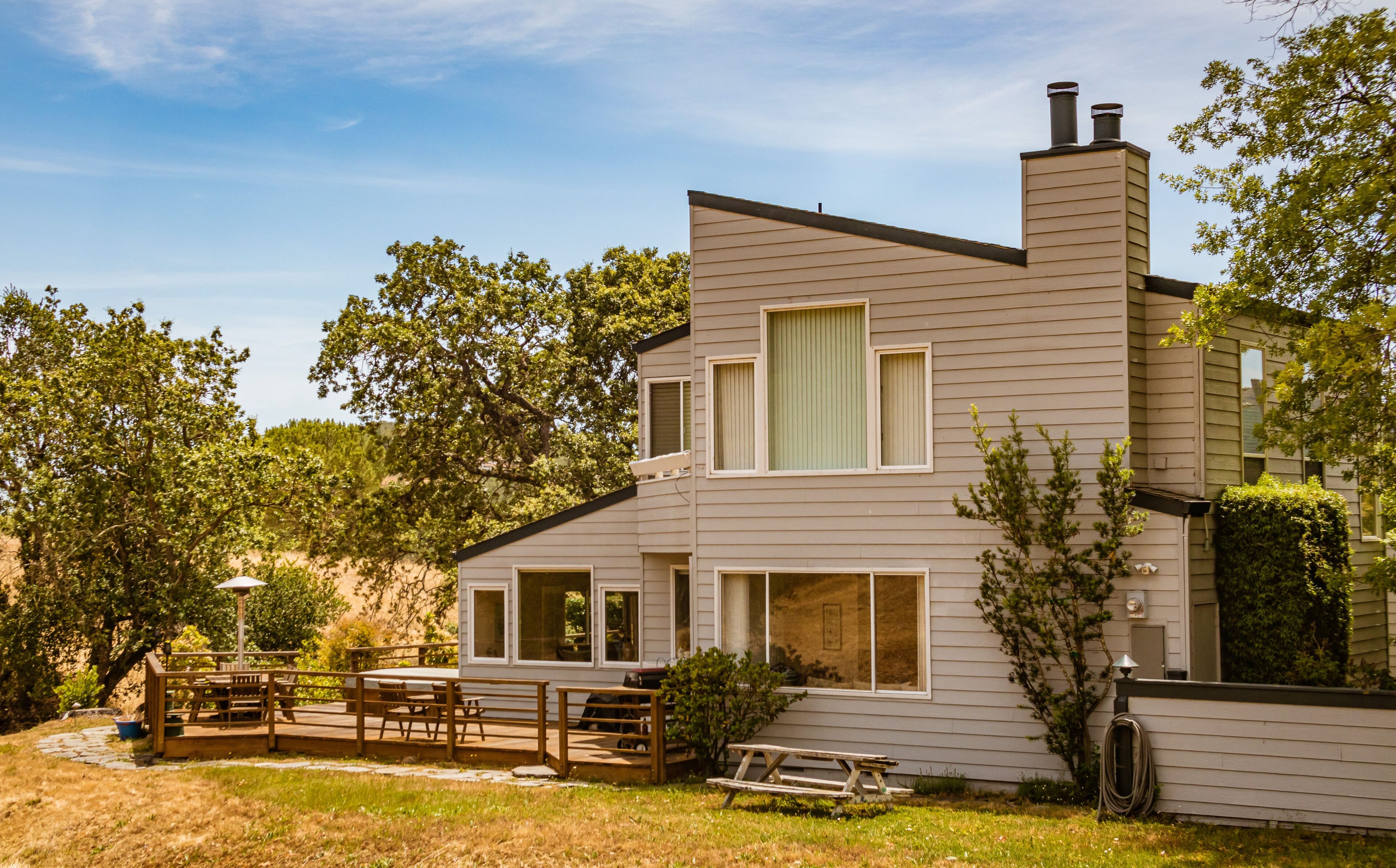
Real estate photography is often priced by property size, location, number of images, and add-ons.
Common pricing structure:
- Standard listing shoot: $120–$300
- Larger property or luxury listing: $300–$800+
- Drone add-on: added fee
- Twilight shoot: added fee
- Video walkthrough: added fee
- Floor plan or virtual tour: added fee
- Rush delivery: added fee
Real estate photographers should be careful not to price only by time on-site. Editing, travel, delivery speed, equipment, and add-ons all affect profitability.
Food Photography Pricing
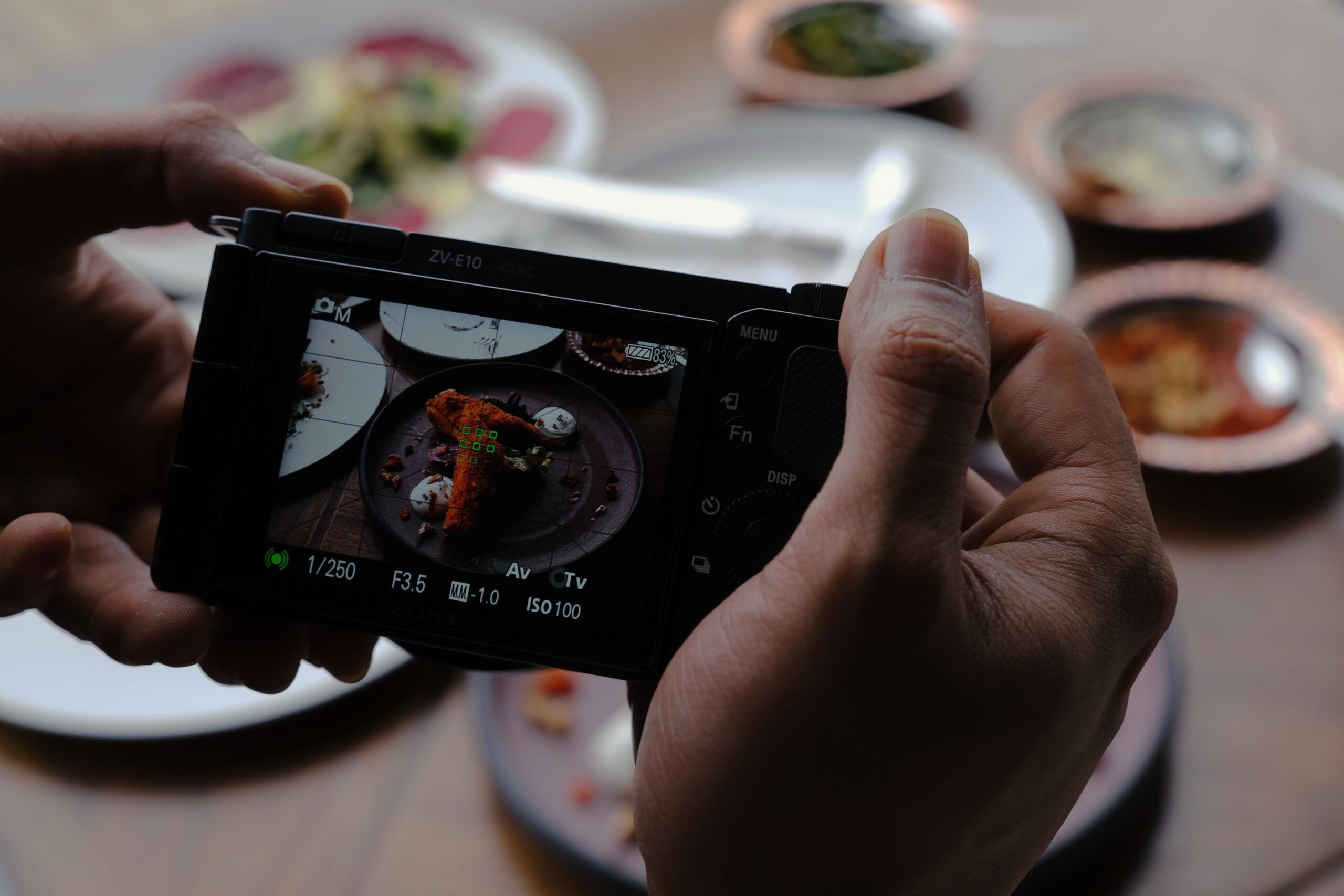
Food photography jobs commonly start around $150–$500 and scale with the shot list, styling and usage. A handful of menu shots for a café’s website is a very different job from a full menu shoot with a food stylist and kitchen team, so quote from the shot list rather than the clock, and price usage separately when the images will run in ads or packaging.
Product and commercial photography pricing

Product and commercial photography should not be priced only like a regular portrait session. Commercial clients are often paying for images that help them sell a product, promote a brand, or run a campaign.
As a benchmark, simple white-background product shots commonly run $25–$175 per image, while commercial day rates range from about $800 to $5,000+. Licensing is quoted on top and can run from a few hundred dollars for limited local web use to $10,000 or more for national paid campaigns.
Common pricing structure:
- Creative fee or day rate
- Per-image editing or retouching fee
- Production expenses
- Studio, props, assistants, or equipment rental
- Licensing and usage rights
- Rush fees
- Exclusivity fees
- Renewal fees for continued usage
A commercial photo used in a local website banner has a different value than the same photo used in a national paid advertising campaign. Your pricing should reflect that.
How to Tailor Your Prices to Your Target Market?
Consider your target market and the type of clients you wish to attract. Prices should align with the perceived value you offer to your specific audience. Make sure you don’t undercharge yourself.
“While my “cheap” rates skyrocketed my bookings as word spread throughout the acting community, I soon faced a predicament,” said Jeremy Bustin, a portrait and headshot photographer. “Pricing wasn’t just about numbers; it was intrinsically linked to my quality of life. Every entrepreneur will tell you about the importance of work-life balance, but it’s the strategies you deploy—like pricing—that truly make it possible,” he added.
High-end clients may be willing to pay a premium for exceptional quality and personalized service, while budget-conscious clients may seek more affordable options.
For instance, some clients may want to do a trial run before hiring you for larger projects. In such cases, you can offer mini-sessions. This can be priced independently of your regular pricing, allowing clients flexibility to choose from your services
Tailor your pricing to align with your target market’s perception of value.
Craft a pricing structure that communicates your unique benefits effectively to different segments, creating a connection that goes beyond numbers.
Read this guide if you want to dig deep to understand how to price your wedding photography. Wedding photographer, Paul Waring discusses how photographers should approach pricing in this competitive market.
Packaging Photography Services: Examples You Can Use as a Starting Point
Packages help clients understand what they are getting and help photographers avoid pricing every inquiry from scratch.
The best photography packages are clear, simple, and tied to client outcomes. Avoid creating too many options. Three packages are usually enough: a starter package, a standard package, and a premium package.
Portrait photography package example
- Starter Portrait Session
Includes up to 30 minutes of shooting, one location, 5 edited digital images, and an online gallery.
- Standard Portrait Session
Includes up to 60 minutes of shooting, one location, 15 edited digital images, light retouching, and an online gallery.
- Premium Portrait Session
Includes up to 90 minutes of shooting, up to two looks or nearby locations, 30 edited digital images, priority delivery, and print credit.Optional add-ons: extra edited images, rush delivery, additional location, makeup artist, print products, albums, or extended usage rights.
Wedding photography package example
- Essential Wedding Package
Includes limited-day coverage, one photographer, edited digital gallery, and personal-use printing rights.
- Classic Wedding Package
Includes full-day coverage, engagement session, one photographer, edited digital gallery, sneak peeks, and timeline support.
- Premium Wedding Package
Includes full-day coverage, second shooter, engagement session, edited digital gallery, album credit, sneak peeks, and priority delivery.For a deeper walkthrough of structuring these tiers, see how to build wedding photography packages clients actually buy.
Optional add-ons: rehearsal dinner coverage, extra hours, second shooter, wedding album, parent albums, rush delivery, travel, or film/video add-on.
Event photography package example
- Hourly Event Coverage
Best for small private events, short corporate events, or community gatherings.
- Half-Day Event Coverage
Best for conferences, brand events, networking events, and milestone celebrations.
- Full-Day Event Coverage
Best for conferences, multi-session events, and events that need broad storytelling coverage.Optional add-ons: same-day highlights, rush delivery, on-site editing, step-and-repeat setup, additional photographer, travel, or commercial usage license.
Commercial photography package example
- Basic Commercial Shoot
Includes pre-shoot planning, shoot time, a set number of edited images, and limited web usage.
- Brand Campaign Shoot
Includes creative planning, shoot time, multiple setups, edited images, retouching, and defined campaign usage.
- Full Production Shoot
Includes creative direction, production planning, studio or location coordination, assistants, advanced retouching, and custom licensing.Optional add-ons: extended usage, paid ad usage, exclusivity, additional retouching, rush delivery, set design, talent, props, or studio rental.
How to Price Usage Rights and Licensing
Usage rights matter most when your photos help a client make money.
For personal photography, such as family sessions or weddings, clients usually receive personal-use rights. That means they can download, share, and print their photos for personal use, but they cannot sell the images or use them in commercial advertising.
For commercial photography, licensing should be clearly defined. A business using your images on its website, in social media ads, in print campaigns, on packaging, or across paid media is receiving business value from those images. Your pricing should reflect that value.
When pricing image licensing, consider:
- Where the images will be used
- How long the client can use them
- Whether the usage is local, regional, national, or global
- Whether the images will be used organically or in paid advertising
- Whether the client needs print, web, social, packaging, or out-of-home rights
- Whether the license is exclusive or non-exclusive
- Whether the client can transfer the images to partners, vendors, or affiliates
- Whether the usage renews after a fixed period
A simple way to handle licensing is to separate your creative fee from the usage fee.
Your creative fee covers your time, production, expertise, and editing.
Your usage fee covers how, where, and for how long the client can use the final images.For example, a headshot for an internal company profile may only need basic business usage. A campaign image used in paid ads for a national launch should cost significantly more.
Always define usage rights in your contract before the shoot begins.
As a rough guide, commercial licensing fees range from a few hundred dollars for limited local web use to $10,000 or more for national paid campaigns. To estimate a fee for a specific use, try the free AOP Usage Calculator, which prices by media, territory and duration.
Photography Pricing Tools and Calculators Compared
Tools won’t set your prices for you, but they make the maths faster and the costs behind your prices more predictable. We compared nine tools photographers use to calculate rates, quote licensing, present prices and control post-production costs.
Disclosure: Aftershoot makes one of the tools below. We’ve judged it on the same criteria as every other tool.
How We Evaluated These Tools
- The pricing job it solves: calculating your minimum rate, quoting usage, presenting prices and collecting deposits, or keeping post-production costs predictable.
- Verified cost: prices come from each tool’s official pricing page as of October 2026, in USD.
- Fit for small photography businesses: usable by a solo photographer or small studio without setup fees or a sales call.
- Free access: a free tool, free version or free trial so you can test before paying.
- Pricing model: flat subscription, pay-per-use or one-time purchase, because that decides how predictable the cost is in your CODB.
Photography Pricing Tools at a Glance
| Tool | Best for | Price (USD, Oct 2026) | Free option |
|---|---|---|---|
| Aftershoot pricing calculator (above) | A quick minimum price from your expenses, income goal and bookings | Free | Yes |
| NPPA Cost of Doing Business Calculator | A full annual-cost breakdown and minimum daily rate for freelancers | Free | Yes |
| picdrop Photography Day Rate Calculator | Commercial day rates that account for admin, marketing and holiday days | Free | Yes |
| AOP Usage Calculator | Estimating a licensing fee by media, territory and duration | Free | Yes |
| fotoQuote Pro 7 | Detailed stock and assignment licensing quotes | One-time purchase, no subscription | Check site |
| HoneyBook | Sending pricing guides, proposals, contracts and invoices (U.S., Canada, UK, Australia) | $29, $49 or $109/mo billed yearly | 30-day free trial |
| Dubsado | Proposals, contracts and invoices, with automation on Premier | $335 or $525/yr | 21-day free trial |
| Aftershoot | Fixed, predictable post-production costs at any volume | From $10/mo (Select, billed annually); Complete $45/mo annually or $55 monthly | 30-day free trial, no card |
| Imagen | Paying per photo when editing volume is low or seasonal | $0.05 per edit + $7/mo minimum; Limitless $129/mo (annual) or $165 monthly | 1,000 free edits |
Best Photography Pricing Tool by Use Case
| If you need to… | Start with | Why |
|---|---|---|
| Find your minimum price in a few minutes | The calculator at the top of this guide | Built around the expenses + salary + bookings formula above |
| Set a commercial or editorial day rate | NPPA or picdrop calculator | NPPA itemizes every annual cost category; picdrop subtracts non-shooting days (admin, marketing, holidays) before dividing |
| Quote a licensing fee | AOP Usage Calculator, then fotoQuote Pro for regular licensing work | AOP gives quick estimates; fotoQuote is a one-time buy with a deeper pricing database |
| Send prices, contracts and invoices in one flow | HoneyBook or Dubsado | HoneyBook includes pricing guides and proposals on every plan; Dubsado’s Premier plan adds public proposals, scheduling and automated workflows |
| Keep editing costs fixed as your volume grows | Aftershoot | One flat monthly price with unlimited culling, editing and retouching; pay only for the modules you use |
| Pay only when you edit | Imagen pay-as-you-go | $0.05 per edit with a $7 monthly minimum suits low or seasonal volume |
Why Flat-Rate Software Makes Pricing Easier
Per-image software costs more the more you shoot, so your busiest month is also your most expensive to edit. A flat subscription turns that into one fixed line in your CODB. Here’s how the two models compare for editing alone:
| Images edited per month | Imagen pay-as-you-go | Aftershoot Edit (billed annually) |
|---|---|---|
| 300 | $15 | $30 |
| 600 | $30 | $30 |
| 3,000 | $150 | $30 |
Editing only. Imagen’s per-photo AI tools and culling add-on cost extra on pay-as-you-go; its Limitless plan covers them for $129–$165 a month.
Below about 600 edited images a month, pay-per-photo is cheaper. Above that, a flat plan wins, and the gap widens in peak season. Aftershoot’s Complete plan (culling, editing and retouching) is $45 a month billed annually, 25% less than buying the three separately, or $55 billed monthly. Weighing the two? Our Aftershoot vs Imagen comparison covers the trade-offs beyond price.
How to Control Your Expenses?
Aftershoot’s flat-rate pricing covers the full workflow — culling, editing, and retouching — and connects directly into gallery delivery through Aftershoot Galleries, so your post-production costs stay predictable from first cull to final delivery.
| Plan | Covers | Annual Billing | Monthly Billing |
|---|---|---|---|
| Select | AI Culling | $10/mo | $15/mo |
| Edit | AI Editing | $30/mo | $35/mo |
| Retouch | AI Retouching | $20/mo | $25/mo |
| Complete (Select + Edit + Retouch) | Full workflow | $45/mo | $55/mo — 25% savings over buying separately |
| Galleries | Client delivery, proofing, print store | Free to start (10 GB storage) | See current plans as storage needs grow |
In this photography pricing guide, we covered how to understand your market and identify the type of clients you want to work with. But just as important is building predictable expenses into your Cost of Doing Business (CODB), so you have a clear idea of what you’ll need to pay each year to keep your business running smoothly.
A great way to control your expenses is to use tools that have flat pricing structures – meaning, you pay a fixed monthly or yearly fee for the service instead of having to manage a fluctuating expense every month.
Tools like Aftershoot help you save hours of culling, editing, and retouching time while enabling you to get a clear idea of what you spend every year. Aftershoot’s flat-rate pricing model helps you understand early how much you are spending on your post-production tools.
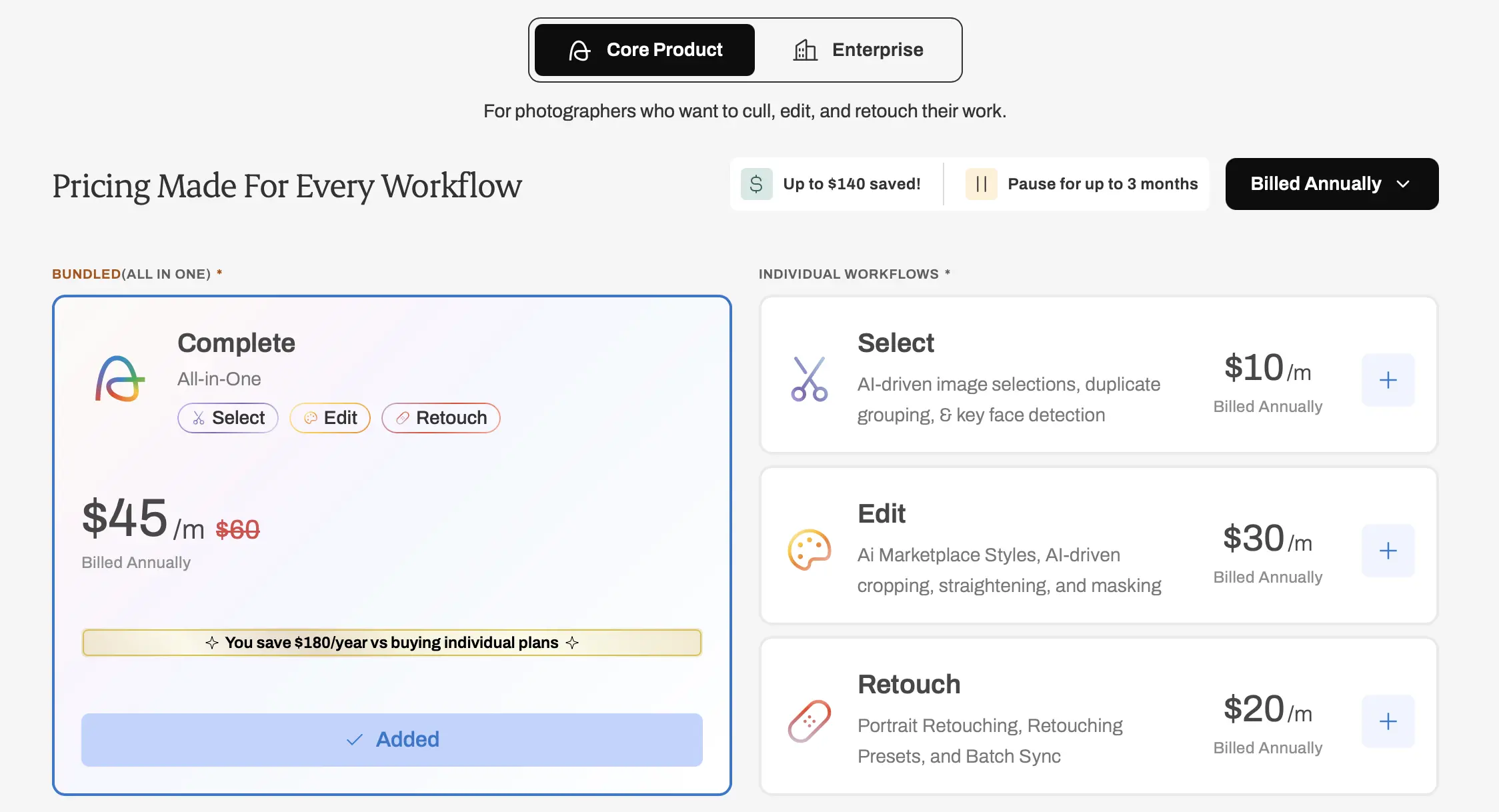
Pricing starts at just $10/month for the Select (culling-only) annual plan, with both annual and monthly billing available.
The Complete (Select + Edit + Retouch) bundle comes in at $45/mo (annual) or $55/mo (monthly) – a 25% saving over individual modules.
The straightforward and transparent photography pricing structure allows you to budget more effectively, ensuring that your costs remain consistent regardless of the number of images or the complexity of the editing required.
This stability helps you maintain a clear understanding of your photography expenses and allows for better financial planning.
Evaluating the right tools for your business? Check out our guides:
When Should You Raise Your Photography Prices?
You do not need to wait until you feel “ready” to raise your prices. If your current rates are no longer supporting your business, it may be time to adjust them.
Consider raising your photography prices when:
- You are consistently booked out
- Your expenses have increased
- Your editing or delivery quality has improved
- Your client experience has become stronger
- You have upgraded your gear, software, or workflow
- You are attracting higher-value clients
- Your portfolio is stronger than it was six months ago
- You are getting too many inquiries from clients who are not a good fit
- You are working more but not taking home more profit
A simple approach is to increase prices gradually. You can raise rates for new inquiries first, update your packages once or twice a year, or increase prices after every set number of bookings.
For example, if your portrait session is $300 and you are booking consistently, test $350 or $400 for new clients. If your wedding package is $2,500 and demand is strong, consider moving to $2,800 or $3,000 for the next season.
Price increases do not need to be dramatic. Small, intentional changes can make your business more sustainable over time.
How to Build a Client-facing Photography Pricing Guide
A photography pricing guide is not just a list of numbers. It is a sales tool that helps potential clients understand your value, compare your packages, and feel confident booking you.
Your client-facing pricing guide should answer the questions people usually ask before they inquire.
Include:
- A short welcome note
- Who your service is best for
- Your photography style and approach
- What each package includes
- Starting prices or full package prices
- Number of edited images included
- Session length or coverage time
- Turnaround time
- Travel details
- Add-ons and upgrades
- Prints, albums, or wall art options
- Usage rights or licensing terms
- Booking process
- Payment schedule
- Cancellation or rescheduling policy
- FAQs
- A clear call to action
For example, instead of saying: “Portrait session: $350”
Say: “Portrait Session: $350. Includes a 60-minute session, one location, light posing guidance, 15 edited digital images, and a private online gallery delivered within two weeks.”
The second version communicates value. It helps clients understand what they are paying for and makes your pricing feel more transparent.
If you offer multiple services, create separate pricing guides for each category. A wedding pricing guide, a portrait pricing guide, and a commercial photography rate card should not all look the same because each client type cares about different things.
Should You Show Prices on Your Website?
Publishing at least a starting price (“Family sessions from $450”) filters out inquiries that can’t fit your budget and saves both of you a discovery call. Keep full package details for the pricing guide you send once someone inquires, so you can tailor what they see.
Deposits and Payment Schedules
Most photographers hold a date with a non-refundable retainer, commonly 25–50% of the package, with the balance due before the shoot or before delivery. Put the amount, due dates and refund terms in both your pricing guide and your contract. Client management tools such as HoneyBook and Dubsado can send the pricing guide, contract and deposit invoice as one booking flow (compare options in our roundup of the best CRM for photographers).
Photography Pricing Mistakes to Avoid
Pricing your photography gets easier with experience, but a few common mistakes can make your business harder to sustain.
Mistake 1: Charging only for shoot time
Your client may only see the time you spend taking photos, but your business also depends on planning, travel, culling, editing, retouching, delivery, admin, and communication. Price the full project, not just the time on-site.
Mistake 2: Copying another photographer’s prices
Market research is helpful, but another photographer’s prices are based on their expenses, experience, brand, market, and goals. Use competitor research as context, not as your entire pricing strategy.
Mistake 3: Forgetting taxes and business expenses
If you charge $500, you do not take home $500. Taxes, software, gear, insurance, marketing, payment fees, and delivery tools all reduce your profit. Build those costs into your rates from the beginning.
Mistake 4: Including too much in the base package
If every package includes unlimited time, unlimited images, multiple locations, rush delivery, and extensive retouching, you leave little room for profit. Set clear limits and charge for upgrades.
Mistake 5: Not charging for commercial usage
Commercial clients are not only paying for your time. They are paying for the value your images create for their brand. Always clarify usage rights and license commercial images accordingly.
Mistake 6: Keeping the same prices for too long
Your pricing should change as your experience, demand, expenses, and client experience improve. Review your rates at least once or twice a year.
Mistake 7: Discounting Instead of Adjusting the Scope
When a client says your package is out of budget, cutting the price for the same work teaches them your rates are negotiable. Offer a smaller scope instead: fewer hours, fewer edited images, no album. Your rate stays intact and the client still gets a clear choice.
Price Your Photography With More Confidence
Prices hold up when your costs are predictable and your hours are under control. Run your numbers in the calculator at the top of this guide, then look at where your post-production time actually goes.
Aftershoot’s flat-rate plans cover unlimited AI culling, editing and retouching, so your software cost stays the same whether you deliver 300 images or 3,000, and you stay in control of every final selection and edit. Try it free for 30 days on your next gallery, no credit card required.
Next, turn your new prices into bookings with our guide to marketing for photographers.
Frequently Asked Questions: Photography Pricing
Q1. How much should I charge as a beginner photographer?
Beginner photographers often start around $50–$150 per hour, or $25–$75 per edited image, depending on the type of work.
For small sessions, many beginners create simple packages between $100 and $350. For weddings or events, beginner pricing may start around $500–$1,500 depending on coverage, location, and deliverables.
These numbers are only starting points. Your pricing should still cover your time, business expenses, editing, taxes, travel, and profit.
Q2. How much should I charge for a one-hour photoshoot?
Beginners commonly charge $100–$250 for a one-hour portrait session, while experienced portrait photographers charge $250–$750. The hour on camera usually comes with several more hours of planning, culling, editing and delivery, so price the whole job, not just the session.
Q3. How do I calculate my cost of doing business (CODB)?
Add up every annual business expense: gear and replacements, software, insurance, marketing, studio or home-office costs, travel and admin. Add your target salary, taxes and a profit buffer, then divide by the number of paid shoots or billable hours you can realistically book in a year. The result is the minimum you need to average per shoot or per hour.
Q4. Is it better to offer packages or hourly rates?
Offering packages can provide clarity and value to clients, especially for events like weddings. However, hourly rates might be more suitable for shorter or more flexible sessions. Consider your services and client preferences when deciding.
Q5. What should be included in a photography package?
A photography package should clearly state the session length or coverage time, number of edited images, delivery method, turnaround time, usage rights, travel details, and any included extras.
It should also explain what costs extra, such as additional images, extra hours, rush delivery, prints, albums, commercial usage, second shooters, or travel.
Q6. What is the 20-60-20 rule in photography pricing?
The 20-60-20 rule isn’t a pricing formula. In photography it usually describes how to spend a session (roughly the first 20% on safe shots, 60% refining, and the last 20% experimenting) or a foreground–subject–background split in composition.
For pricing, a more useful benchmark comes from Professional Photographers of America: on average, photographers take home about 20% of what they charge, with the rest covering equipment, software, insurance and other costs. Build your prices so that split still leaves you the salary and profit you need.
Q7. How do I create a photography pricing guide?
To create a photography pricing guide, start by listing your services, packages, starting prices, deliverables, turnaround times, add-ons, usage rights, and booking process. Then explain the value behind each package so clients understand what is included.
A strong pricing guide should make it easy for clients to choose the right package and take the next step.
Q8. How often should I update my photography prices?
Review your prices at least once or twice a year, and any time your expenses rise, you’re consistently booked out, your skills or portfolio improve, or your packages no longer reflect the time you spend. Small, regular increases are easier for clients to accept than one large jump.
Q9. Do I need to charge separately for usage rights?
For personal work like weddings and family sessions, clients usually receive personal-use rights included in the package. For commercial work, yes: licensing defines where, how long and how widely a business can use your images, and broader usage costs more. Separate your creative fee from your usage fee, and spell out the scope and duration in your contract before the shoot.
Q10. How much should I charge per edited photo?
Per-image pricing typically runs $25–$75 per edited image for beginners and $75–$350+ per edited image for experienced professionals, depending on the amount of retouching involved and the type of shoot. Per-image pricing works best as an add-on to a base package rather than your only pricing model, since it doesn’t account for shoot time, travel, or client communication.
Q11. How much deposit should a photographer take?
Most photographers take a non-refundable retainer to hold the date, commonly 25–50% of the package total, with the balance due before the shoot or before delivery. State the amount, due dates and refund terms in your contract.
Q12. How should photographers charge for travel?
A common approach is to include travel within a set radius, then charge per mile beyond it. In the U.S., the IRS standard business mileage rate is a useful reference: 72.5 cents per mile for January–June 2026 and 76 cents per mile from July 1, 2026. For flights or overnight jobs, bill the client for transport, lodging and meals, plus a travel-day fee if the trip costs you a working day.