TL;DR
- The Sony A9 III is the best overall sports photography camera right now, thanks to its global shutter sensor that eliminates rolling shutter distortion under LED arena lighting.
- The Canon EOS R1 and Nikon Z9 remain top-tier professional sports camera options for photographers already invested in either system.
- The Nikon Z8 is the best mirrorless camera for sports photography if you want flagship-level autofocus without the flagship price or bulk.
- The Canon EOS R10 and Canon EOS R7 are the best budget and affordable camera for sports photography picks, both under $1,500 with subject-tracking autofocus.
- The Fujifilm X-H2S is the best camera for action shots that need extreme burst speed, hitting 40 fps with its stacked APS-C sensor.
- Faster cameras mean faster burst rates; and faster burst rates mean thousands of near-identical frames to sort through after every shoot, which is a workflow problem worth planning for before you buy.
Your shutter finger is only as good as the gear behind it. Miss the autofocus lock by half a second on a breakaway run or a diving save, and that frame is gone… there’s no re-shoot in sports photography. If you’ve ever scrolled through a burst sequence afterward and realized the one frame with the ball in perfect position is the one where the focus drifted, you already know why gear choice matters here more than almost any other genre.
This guide breaks down the best camera for sports photography across every budget, from flagship bodies built for the sideline to solid starter options for photographers just getting into game-day shooting. We’ll also cover something most buying guides skip entirely: what a fast camera actually does to your workload once the game ends.
How do you Choose the Best Camera for Sports Photography?
Sports photography asks more of a camera than almost any other genre. Your subject rarely holds still, lighting swings between blazing sun and dim gym fluorescents, and you often need to reach a wide-angle lens that can’t give you. A handful of specs separate a camera that keeps up from one that leaves you with a memory card full of near-misses.
Here’s what you need to keep in mind while looking for a sports photography camera:
- Autofocus tracking: Subject detection that locks onto athletes, not just faces, and holds through fast, unpredictable movement.
- Burst rate: Higher frames-per-second means more chances to catch the exact peak of the action; the ball leaving the hand, the moment of contact.
- Buffer depth: A camera that can only hold 20 frames before it slows down defeats the purpose of a fast burst rate.
- Low-light and high-ISO performance: Indoor courts, night games, and stadium lighting all push your ISO higher than you’d like.
- Telephoto lens compatibility: The camera body matters, but a fast 70-200mm f/2.8 or 300mm f/2.8 lens is doing a lot of the heavy lifting too.
- Build and battery life: Weather sealing and a battery that lasts a full tournament weekend aren’t optional for working photographers.
Keep these in mind as we go through the picks below, because the ‘best’ sports photography camera really just depends on which of these you’re optimizing for.
Comparing the Best Cameras for Sports Photography
| Best for | Camera | Sensor & resolution | Max burst rate | Why it stands out for sports |
| Best overall / maximum speed | Sony A9 III | 24.6MP full-frame global shutter | 120fps electronic | Global shutter virtually eliminates rolling-shutter distortion, while 120fps shooting with AF/AE tracking is built for capturing split-second action. |
| Best Canon flagship | Canon EOS R1 | 24.2MP full-frame stacked CMOS | 40fps electronic / 12fps mechanical | Pro-grade subject tracking, sports-specific AF features, blackout-free shooting, and an integrated grip make it purpose-built for professional sidelines. |
| Best Nikon flagship | Nikon Z9 | 45.7MP full-frame stacked CMOS | 20fps RAW / 30fps full-res JPEG / 120fps at 11MP | Combines high resolution with professional speed, a deep buffer, rugged construction, and an integrated vertical grip for long assignments. |
| Best balance of performance and portability | Nikon Z8 | 45.7MP full-frame stacked CMOS | 20fps RAW / 30fps full-res JPEG / 120fps at 11MP | Delivers much of the Z9’s speed, resolution, and autofocus performance in a smaller, lighter body. |
| Best budget option | Canon EOS R10 | 24.2MP APS-C CMOS | 23fps electronic / 15fps mechanical | Fast subject-detection AF and a high burst rate make it an accessible entry point for school sports, local leagues, and beginners. |
| Best affordable upgrade | Canon EOS R7 | 32.5MP APS-C CMOS | 30fps electronic / 15fps mechanical | Higher resolution, fast autofocus, IBIS, and APS-C reach make it especially useful for photographers shooting distant action from the sidelines. |
| Best for high-speed action | Fujifilm X-H2S | 26.1MP APS-C stacked CMOS | 40fps electronic / 15fps mechanical | Its fast-readout stacked sensor enables blackout-free 40fps bursts with AF/AE, making it particularly strong for motorsports and other fast action. |
| Best starter all-rounder | Sony A6700 | 26MP APS-C CMOS | 11fps | Excellent subject-recognition and tracking AF in a compact body, though its slower burst rate makes it better for enthusiast sports than professional high-speed work. |
Note: Prices and specs shift as new firmware and models release, so treat this as a snapshot rather than a permanent ranking; check current pricing before you buy.
The Best Professional Sports Camera (overall)
The Sony A9 III sets a high bar for professional sports photography. Its 24.6MP full-frame sensor uses a global shutter, capturing the entire frame simultaneously rather than scanning it line by line. For sports shooters, that means virtually eliminating rolling-shutter distortion while also reducing the problems artificial lighting can cause at indoor arenas and stadiums.
1. Sony A9 III: Best Overall
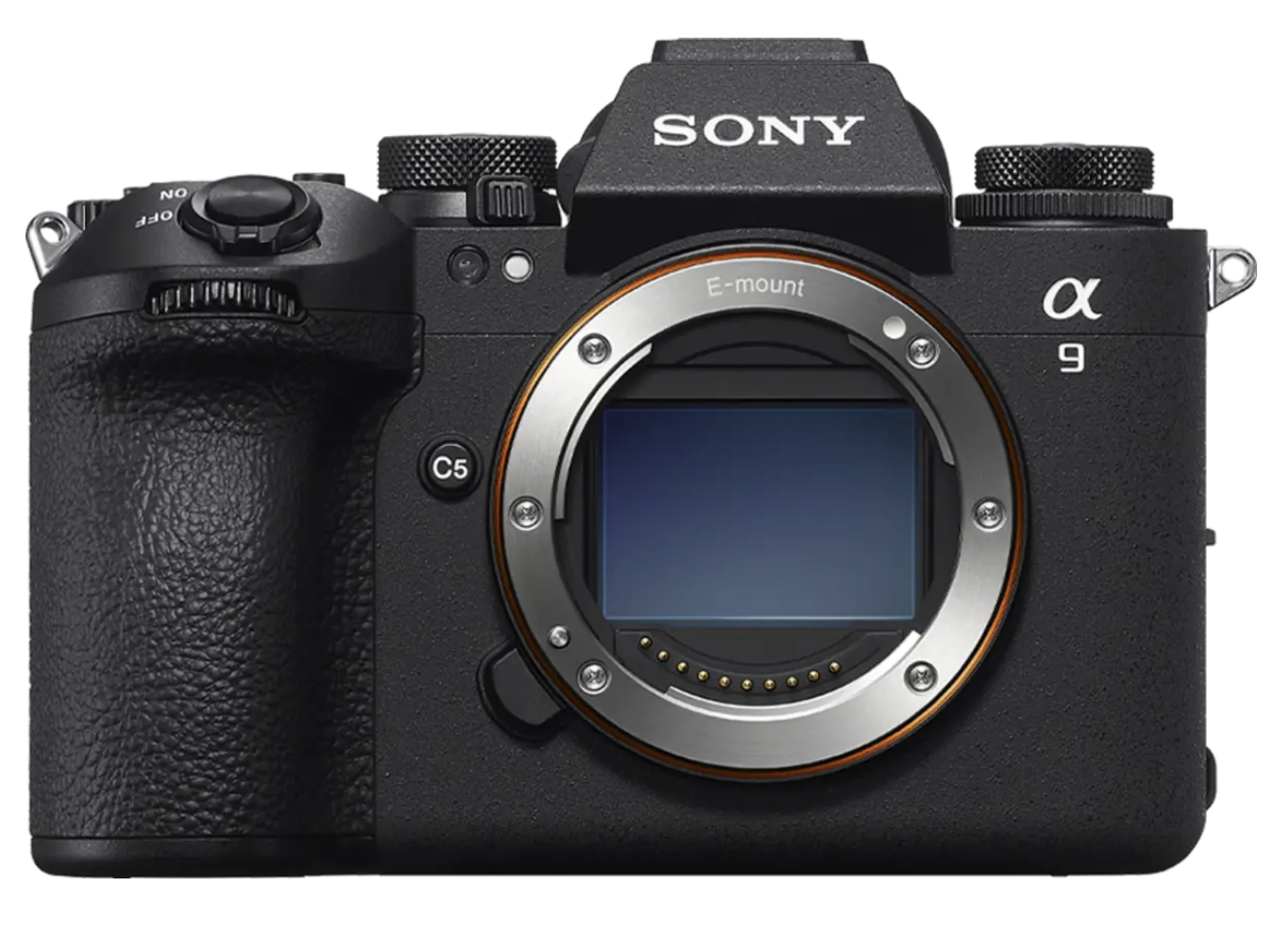
Speed is the other headline: the A9 III can shoot at up to 120fps with full autofocus and autoexposure tracking. In Digital Camera World’s hands-on review, it was tested across track and field, gymnastics, kickboxing, and high jump, with its speed and subject tracking standing out as major strengths. Amateur Photographer similarly praised its extremely fast autofocus and ability to keep up with demanding action.
The trade-off is resolution. At 24.6MP, there’s less room for aggressive cropping than with higher-resolution cameras like the Nikon Z8 or Z9. But when capturing the exact instant matters more than maximum pixel count, the A9 III is one of the most purpose-built sports cameras available.
2. Canon EOS R1: Canon’s flagship for professional sports
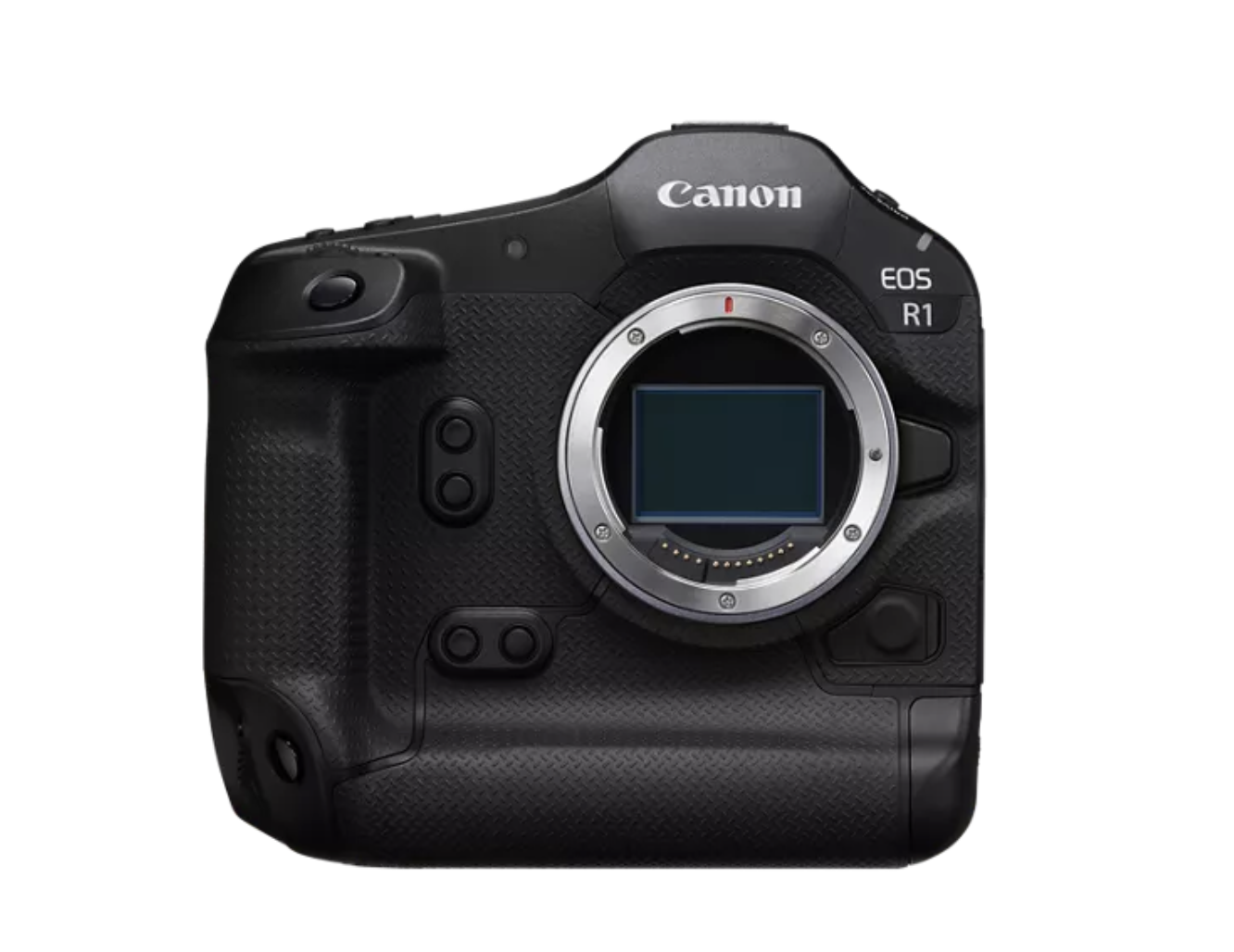
If you already shoot Canon, the EOS R1 is the natural flagship upgrade for demanding sports work. It combines fast burst shooting with sophisticated subject tracking and sports-specific autofocus features designed to recognize athletes and follow action through crowded scenes. In Amateur Photographer’s review, the R1 is described as a superb camera for top-end sports and action photography, with particular praise for its autofocus, speed, handling, and rugged build.
The 24.2MP resolution is lower than some competing flagships, so photographers who crop heavily may want more detail. But for professionals already invested in Canon RF lenses, the R1 delivers the speed, reliability, and durability expected from a dedicated sports body.
3. Nikon Z9: High-resolution flagship performance for sports
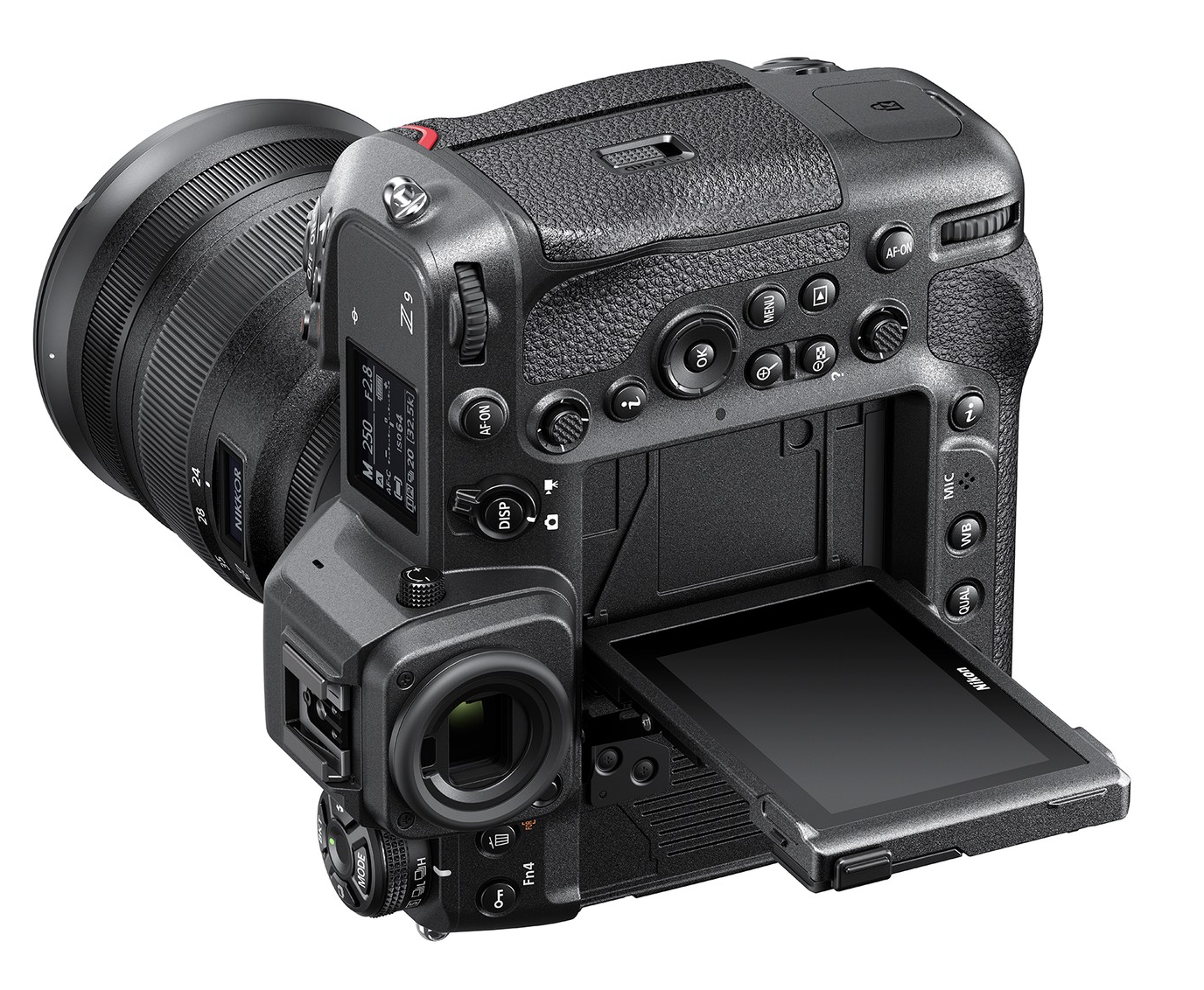
The Nikon Z9 is built for professional sports photographers who want speed without giving up resolution. Its 45.7MP stacked sensor provides significantly more cropping flexibility than many competing sports flagships, while its fast continuous shooting, subject-detection autofocus, large battery, and integrated vertical grip make it well suited to long game days and demanding assignments.
Digital Camera World’s Nikon Z9 review highlights its autofocus performance, electronic-shutter capabilities, durability, and battery life as key strengths. It is a large and heavy camera, but for Nikon shooters who need a rugged body that can handle both high-speed action and high-resolution files, the Z9 remains one of the strongest options available.
Best Mirrorless Camera for Sports Photography
1. Nikon Z8: Best Mirrorless Pick
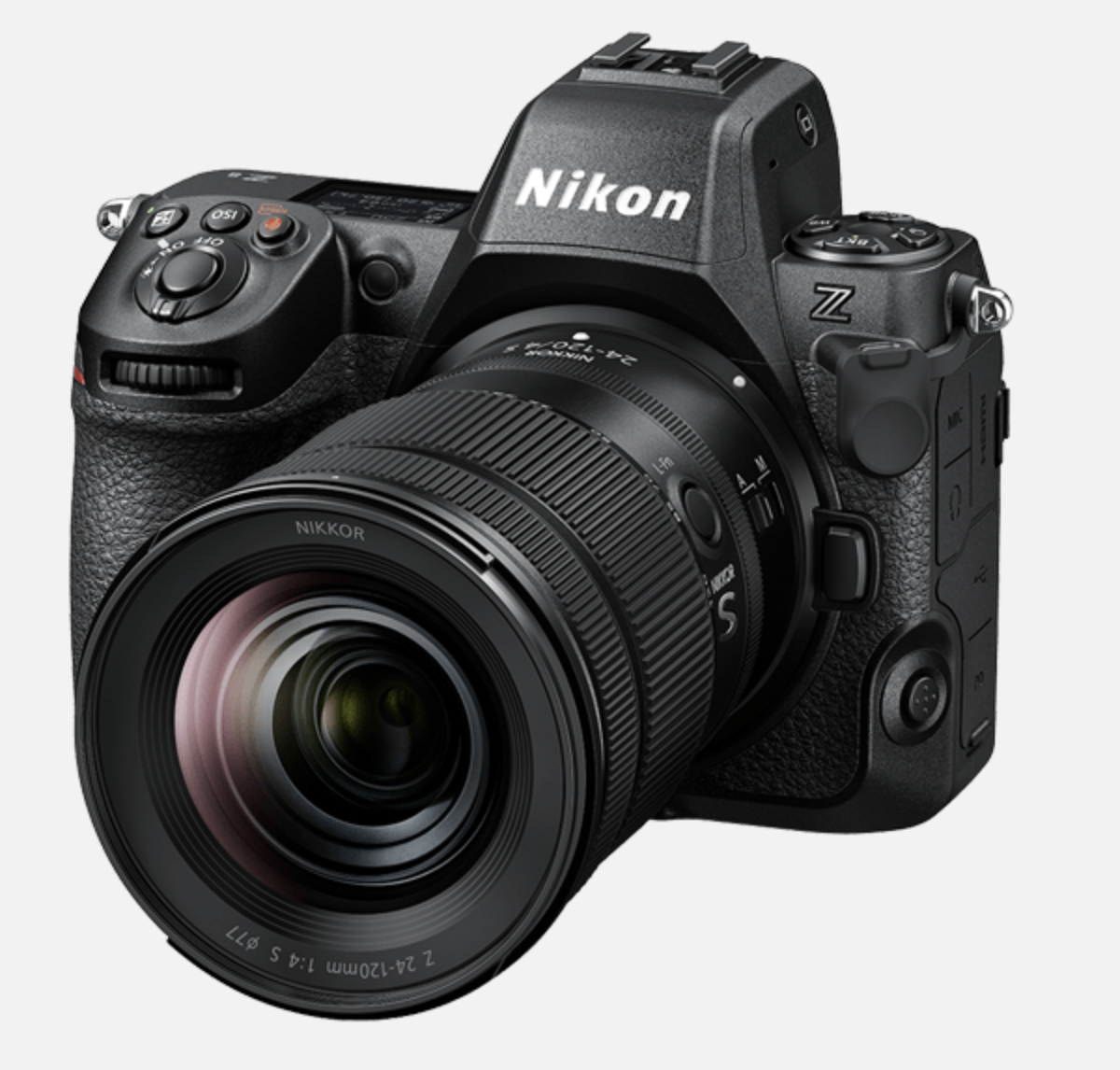
The Nikon Z8 brings much of the Z9’s flagship performance into a smaller, lighter body, making it one of the best mirrorless cameras for sports photography if you don’t want to carry an integrated-grip pro body on the sideline all day. Its 45.7MP stacked sensor shoots up to 20fps in RAW, while subject-detection autofocus and 3D tracking help it stay locked onto fast, unpredictable movement.
In Amateur Photographer’s in-depth Nikon Z8 review, its continuous shooting and subject-detection autofocus were described as standout strengths, with the camera earning praise as a professional powerhouse capable of tackling demanding action. TechRadar similarly highlights how closely its performance matches the Z9 while fitting into a more manageable body.
The trade-off is battery life and handling: it doesn’t have the Z9’s larger battery or built-in vertical grip. But for photographers who want flagship-level speed, resolution, and autofocus without the full size and weight of a Z9, the Z8 hits an excellent middle ground.
Best Budget and Affordable Camera for Sports Photography
Not every sports photographer needs (or can justify) a $5,000+ body. These two APS-C options prove that a good camera for sports photography doesn’t require a flagship price tag.
1. Canon EOS R10: Best Budget Pick
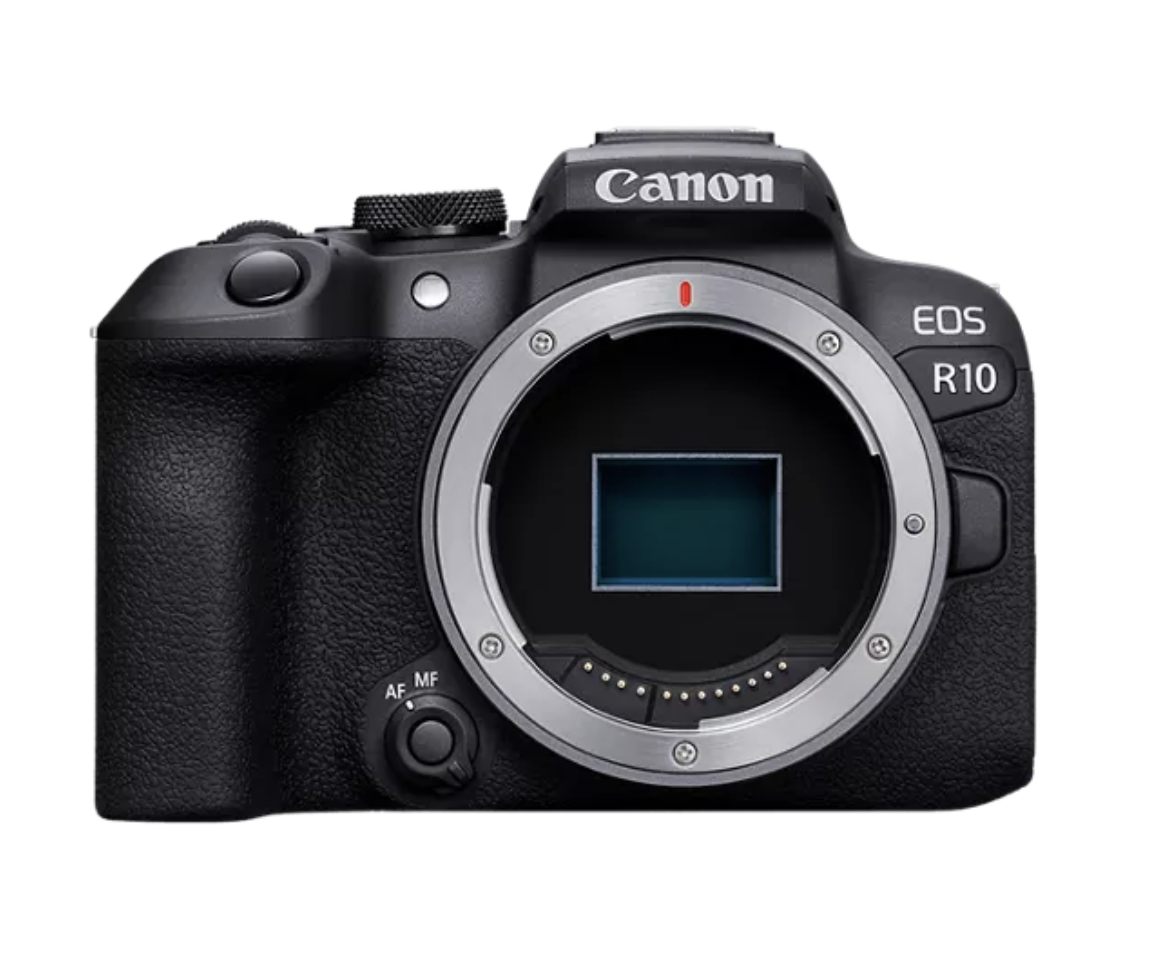
The Canon EOS R10 is a strong entry point for photographers beginning to shoot games, meets, and other fast-moving events seriously. It can shoot at up to 15fps with the mechanical shutter and 23fps electronically, while Canon’s subject-detection autofocus can recognize and track people, animals, and vehicles.
Digital Camera World’s EOS R10 review particularly praises its combination of professional-level autofocus and burst shooting in an affordable, beginner-friendly body, noting that its performance punches well above its price.
There are compromises. The R10 lacks in-body image stabilization and weather sealing, and it isn’t built for the same sustained professional workloads as Canon’s higher-end bodies. But for school sports, local leagues, and photographers building their first sports kit, it offers a lot of speed for the money.
2. Canon EOS R7: Best Affordable Upgrade
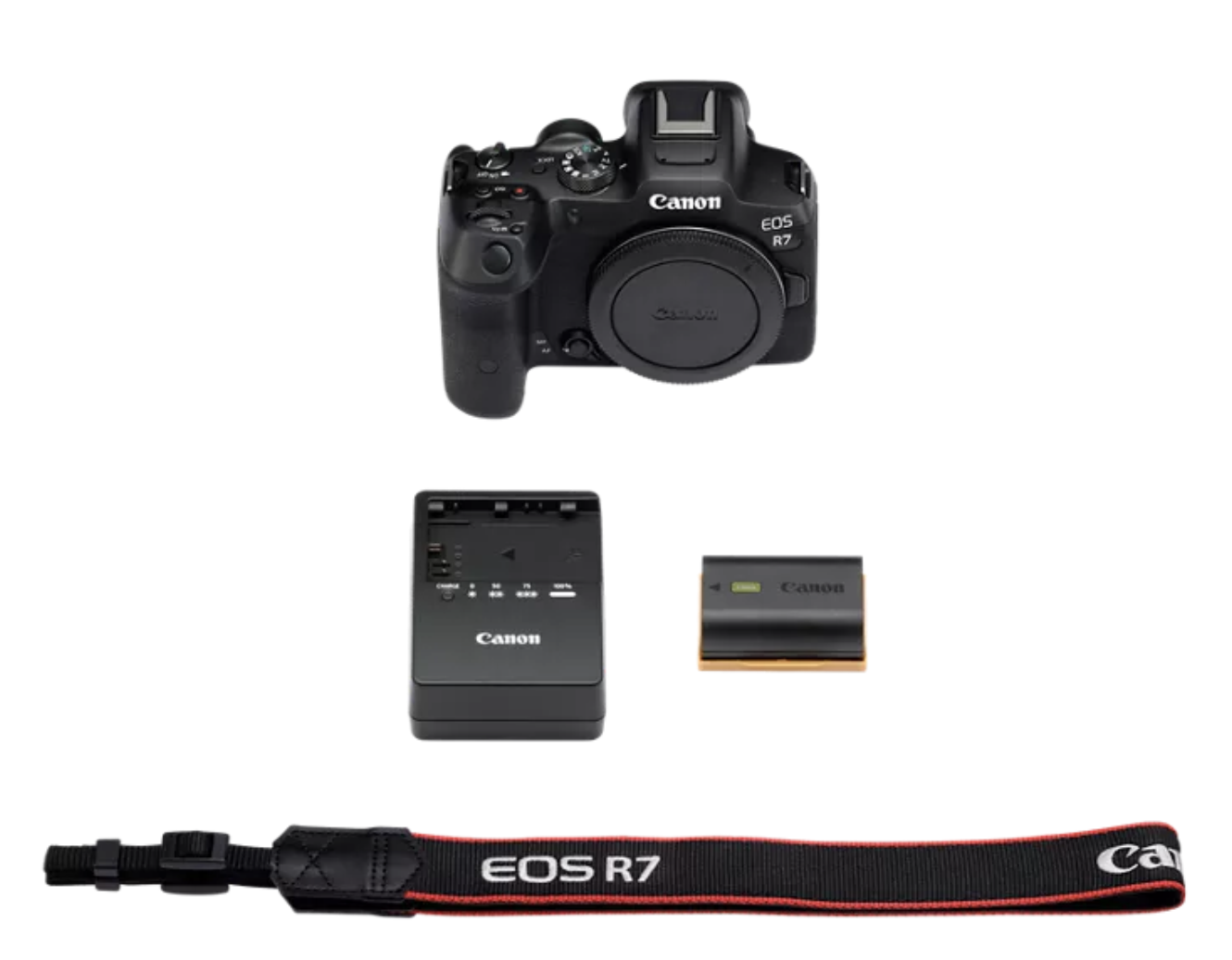
Step up to the Canon EOS R7 and you get a more serious sports-oriented package. Its 32.5MP APS-C sensor gives photographers plenty of resolution for cropping distant athletes, while the 1.6x crop factor can make telephoto lenses feel even longer from the sidelines. It can shoot at up to 15fps mechanically or 30fps with the electronic shutter.
Amateur Photographer’s Canon EOS R7 review highlights its high-speed shooting, advanced subject tracking, good battery life, and strong overall image quality. It also inherits Canon’s intelligent subject-detection technology from the higher-end EOS R3.
The electronic shutter can show rolling-shutter distortion with particularly fast movement, and Canon’s native APS-C RF-S lens selection is still less extensive than some rival systems. Even so, the combination of resolution, reach, autofocus, and burst speed makes the R7 a compelling affordable sports camera for photographers who have outgrown an entry-level body.
Best Camera for Action Shots
1. Fujifilm X-H2S
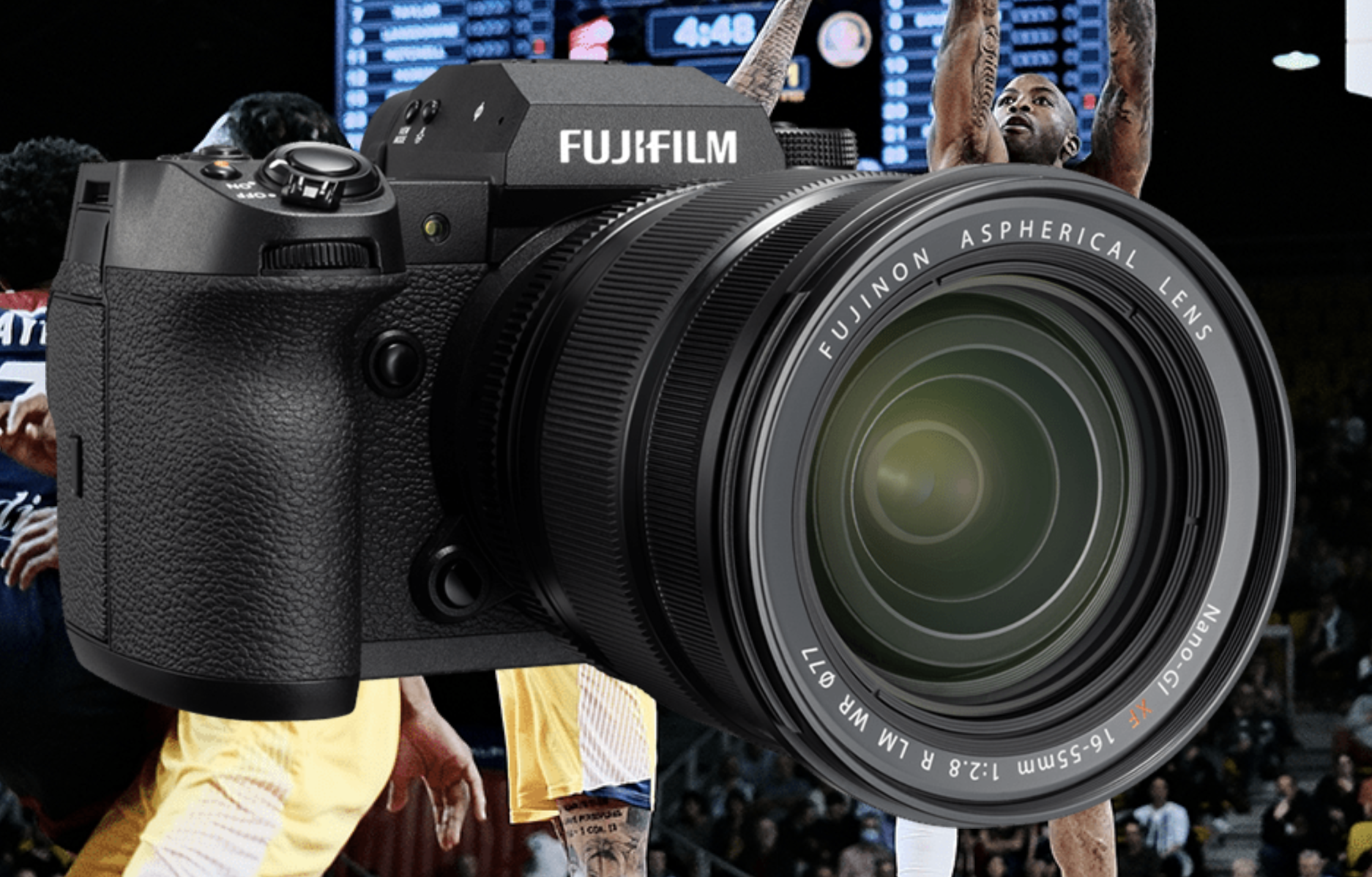
When speed is the priority, the Fujifilm X-H2S is built for the job. Its 26.1MP stacked APS-C sensor can shoot at up to 40fps with the electronic shutter, giving photographers a dense sequence of frames from which to pick the exact peak of the action.
In Amateur Photographer’s Fujifilm X-H2S review, it is described as a genuine pro-spec camera for sports, wildlife, and action, with particular praise for its fast operation, subject-recognition autofocus, image quality, and weather-sealed construction.
That combination makes it especially appealing for fast, unpredictable sports such as motorsports, cycling, combat sports, and athletics. Its biggest drawback is price: it sits at the premium end of APS-C cameras. But photographers who want high-end action performance without moving to a full-frame system get an extremely capable package.
Best Camera for Indoor and Low Light Sports Photography
Indoor gyms, arenas, and evening games force photographers to balance fast shutter speeds with increasingly high ISO settings, so autofocus performance and high-ISO image quality both become critical.
1. Nikon Z8
Its full-frame 45.7MP sensor offers strong image quality alongside fast autofocus and burst shooting, making it a versatile option when light levels drop. Amateur Photographer’s Z8 reviewpraises both its image quality and subject-detection autofocus, a useful combination when photographing athletes under difficult indoor lighting.
2. Sony A9 III
Its global shutter eliminates rolling-shutter distortion and, as TechRadar’s A9 III review notes, removes the risk of banding from artificial lighting, an important advantage in gyms and arenas. Its 120fps burst shooting and exceptional autofocus also make capturing split-second action easier.
There is an important trade-off, though. TechRadar found that the A9 III produces more noise and less dynamic range at high ISO than some rival full-frame cameras. So if pure low-light image quality is the priority, the Z8 is the more balanced choice; if speed, flicker-free shooting, and distortion-free action matter most, the A9 III has a unique advantage.
Best Starter Camera for Sports Photography
1. Sony A6700
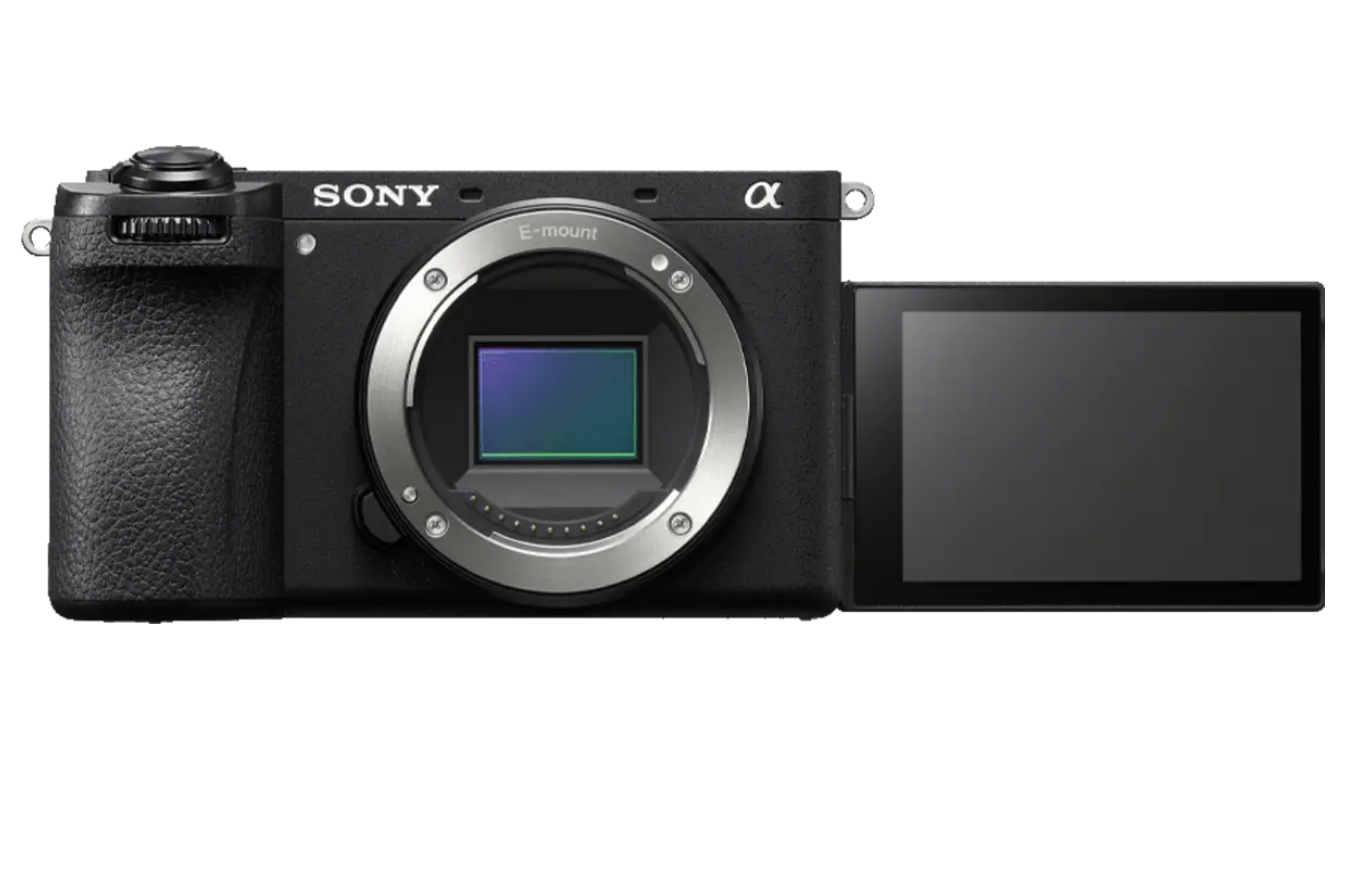
If you’re building your first serious sports photography kit, the Sony A6700 offers a compelling mix of portability, autofocus performance, and access to Sony’s broad E-mount lens ecosystem. Its subject-detection autofocus can recognize and track moving subjects, helping newer sports photographers concentrate more on timing and composition.
Amateur Photographer’s Sony A6700 review calls it Sony’s best APS-C camera to date and highlights subject-detection autofocus as one of its major upgrades. Its compact body and 26MP sensor also make it a versatile camera for photographers who shoot sports alongside portraits, travel, or video.
Its 11fps maximum burst rate is noticeably slower than cameras such as the Canon EOS R7 or Fujifilm X-H2S, so it isn’t designed to compete with dedicated professional sports bodies. But for weekend leagues, school sports, and photographers building a portfolio, it is a genuinely capable place to start.
PS: I also found this Reddit thread and thought it would be useful for you to see what the community is talking about (hope it helps).
What Happens After You Shoot: The Sports Photography Workflow Nobody Talks About
Most gear guides won’t tell you (but I will): the faster your camera, the bigger your next problem becomes.
A camera shooting 30, 40, or even 120 fps in burst captures hundreds of nearly identical frames around each one. Shoot a single football game at those speeds and you can easily walk away with 5,000+ images to sort through before you’ve edited a single photo. I know… I can almost hear you sigh.
And honestly, I get it. That is the part of sports photography that burns photographers out, and it’s rarely ever factored into the ‘best camera’ conversation. A faster burst rate is only useful if your workflow can keep up with it afterward. We’ve written a full breakdown of a sports photo editing workflow built specifically for this problem (worth a read once you’ve settled on a body and started shooting bursts regularly).
How can Aftershoot help sort out your photography workflow (and get the repetitive tasks off your list)?
If you’re still sorting burst sequences by eye, it’s also worth understanding what culling actually involves and how AI-assisted tools compare to manual tools like Photo Mechanic, which we cover in our Aftershoot vs. Photo Mechanic breakdown. For photographers who shoot school and league sports specifically, our guide to volume sports retouching covers how to get through hundreds of portraits without sacrificing consistency.
Aftershoot Culling:
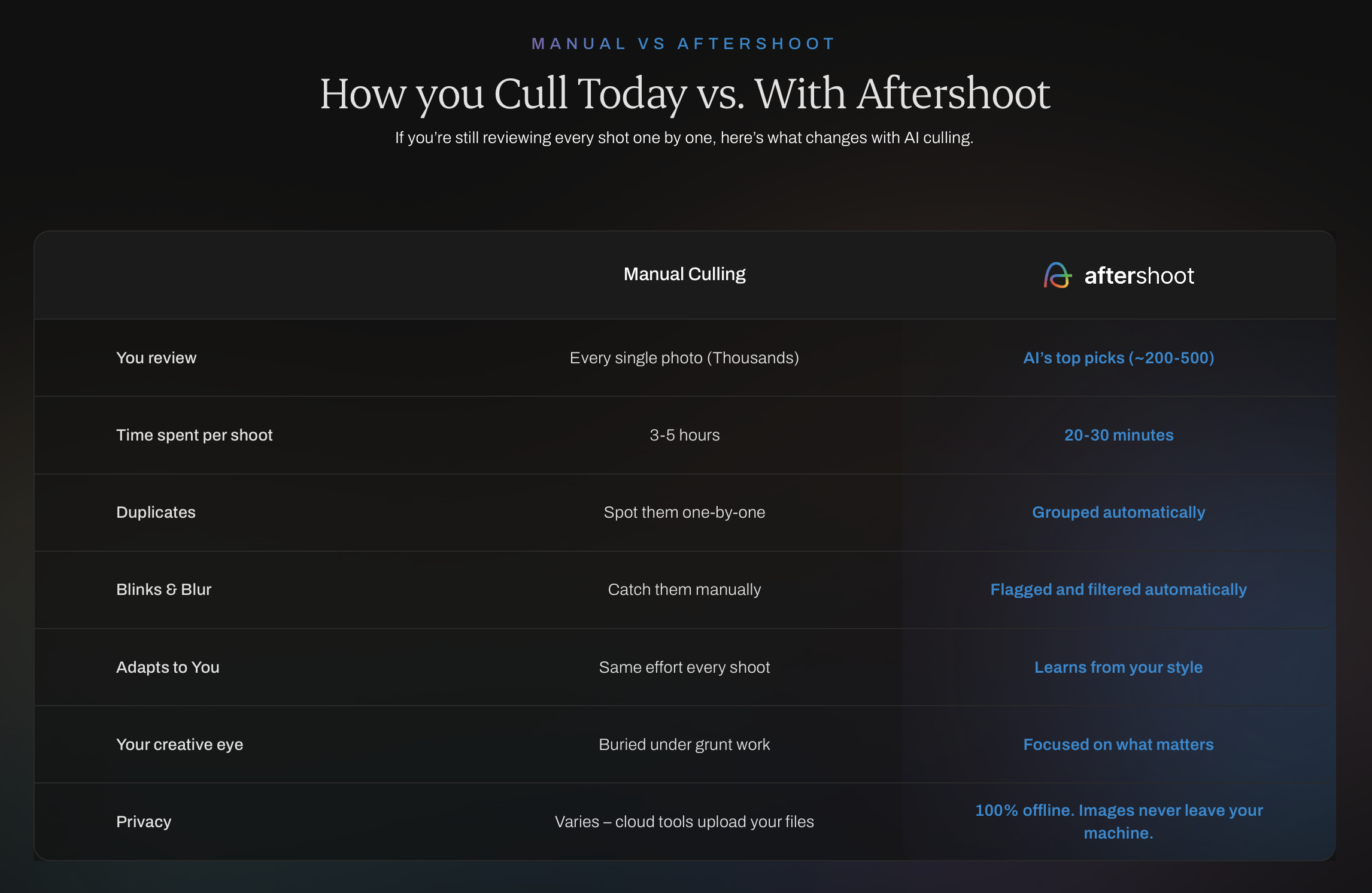
Aftershoot’s AI Culling tool was built around exactly this scenario, it groups near-identical burst frames automatically, so instead of comparing frame 47 through frame 62 one at a time, you’re reviewing a handful of standout options per sequence. The camera gets you the shot. Aftershoot helps you get to your best shot faster, but you obviously get to keep your best creative judgment after.
Aftershoot Galleries:

Once you’ve culled and edited, delivering fast matters too, especially with parents, teams, coaches (and sometimes, the world) waiting on game photos. Aftershoot Galleries lets you deliver straight from your editing workflow with no re-uploading. What’s more, you can get started with the free Starter plan to get 10 GB of photo storage, 1 GB video storage, unlimited galleries, 0% print store commission, and free migration. You can also explore the Premium (500 GB photo and 20 GB video storage) and Unlimited Plans (Unlimited photo and 6 Hours video storage) under Aftershoot Galleries.
In a Nutshell
The best camera for sports photography is the one that matches how and where you shoot: the Sony A9 III leads for overall speed and low-light reliability, the Nikon Z8 is the strongest mirrorless middle ground, and the Canon EOS R10 or Sony A6700 are smart entry points if you’re just getting started.
Wherever you land, remember that a faster camera creates a bigger post-shoot workload, not a smaller one. Plan your culling and editing workflow alongside your gear, and you’ll spend less time buried in duplicate frames and more time actually shooting the next game.
FAQs for Best Camera for Sports Photography
Q1. What is the best camera for sports photography overall?
The Sony A9 III is currently the top overall pick, thanks to its global shutter sensor, which removes rolling shutter distortion and performs especially well under artificial arena lighting. Photographers already invested in Canon or Nikon can get comparable performance from the EOS R1 or Nikon Z9.
Q2. What is the best budget camera for sports photography?
The Canon EOS R10 is one of the strongest budget options, offering fast subject-tracking autofocus and burst rates up to 23 fps for well under $1,000. The Canon EOS R7 is a step up in price with added telephoto reach for photographers who need more distance.
Q3. Is a mirrorless camera better than a DSLR for sports photography?
Yes, for most sports shooters today. Modern mirrorless cameras generally offer faster, more accurate autofocus tracking, higher burst rates, and blackout-free viewfinders that keep fast-moving subjects visible mid-burst, all advantages DSLRs struggle to match.
Q4. What camera settings matter most for indoor sports photography?
A fast shutter speed (1/1000s or faster), a wide aperture lens, and a camera with strong high-ISO performance matter most indoors. Cameras with global shutter sensors, like the Sony A9 III, also help avoid the banding that LED arena lighting causes with some sensors.
Q5. Do I need a full-frame camera for sports photography?
Not necessarily. Full-frame bodies generally perform better in low light, but APS-C cameras like the Fujifilm X-H2S or Canon EOS R7 offer faster burst rates and extra reach from the same lens, which is genuinely useful for sports shot from a distance.
Q6. What’s the best lens to pair with a sports photography camera?
Telephoto zooms like a 70-200mm f/2.8, or primes like a 300mm f/2.8, are the standard choice. They give you the reach to shoot from the sideline and the wide aperture needed to keep shutter speeds fast in lower light.