TL;DR: Online gallery platforms are the best way to share photos with clients in 2026. Aftershoot Galleries stands out for its native editing integration, AI-powered face search, and print monetization tools. Other top options include Pixieset, Pic-Time, and ShootProof for branded delivery, while Google Drive, Dropbox, and WeTransfer suit fast, low-touch handoffs.
A stunning gallery of edited photos can still land flat if the delivery experience feels like an afterthought.
Ask any photographer what happens after the final export, and you’ll hear some version of the same scramble: pick a platform, upload everything, write a rushed email, hope the client figures out how to download their files. Meanwhile, the client is judging the whole experience, not just the photos inside it.
That gap between great work and a forgettable handoff is where client relationships quietly lose momentum. This guide ranks the best platforms for sharing photos with clients in 2026, based on what each one actually solves, so the last step of your workflow feels as intentional as the first.
Why Your Delivery Method Is Part of Your Brand
Clients today expect galleries that feel as polished as the apps they use every day. A slow load time or a confusing download flow doesn’t just annoy them, it makes your work look less professional than it actually is.
The fix isn’t more effort. It’s the right tool, used the right way.
The 10 Best Platforms for Sharing Photos with Clients
1. Aftershoot Galleries
Best for: Photographers who want editing and delivery to finally work as one system.
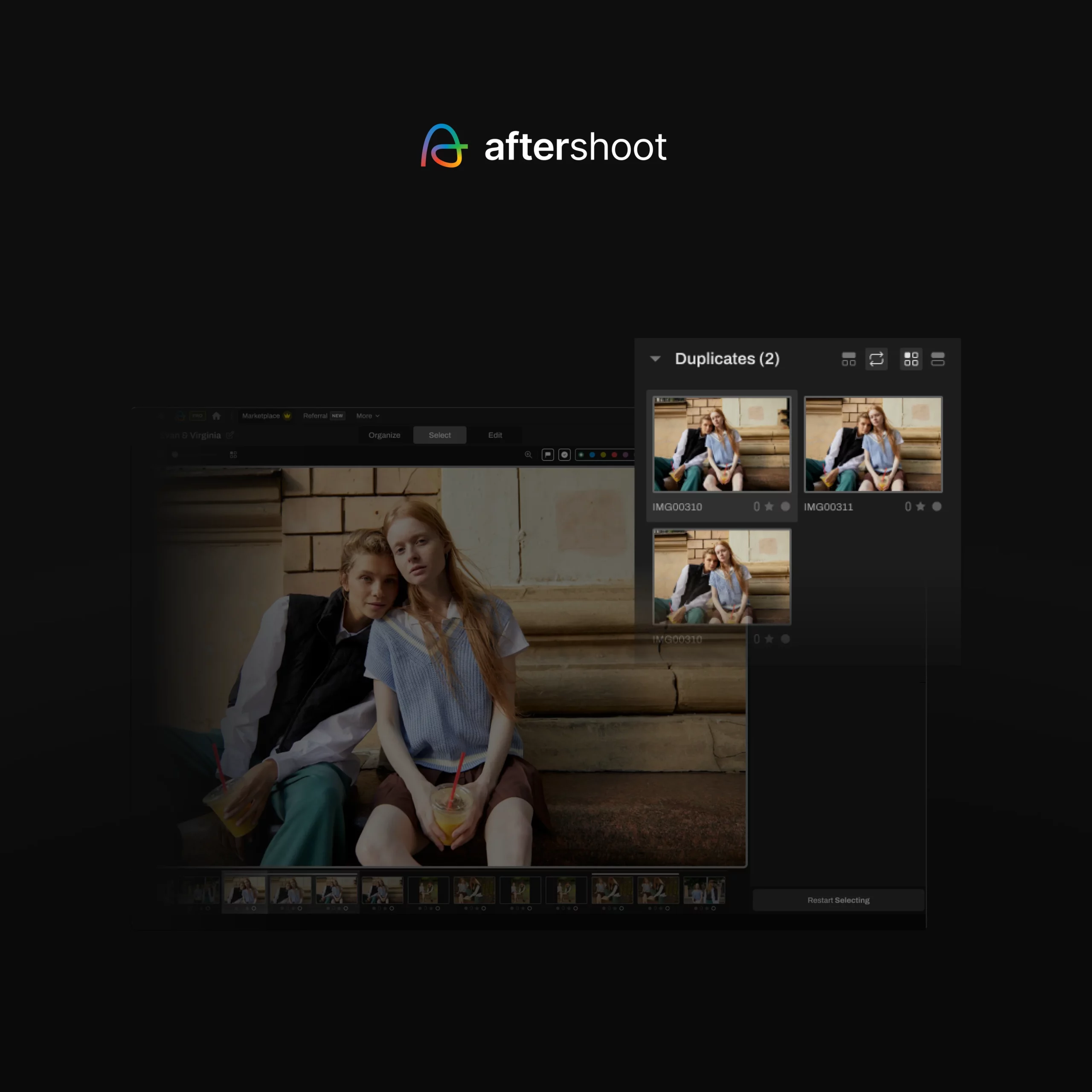
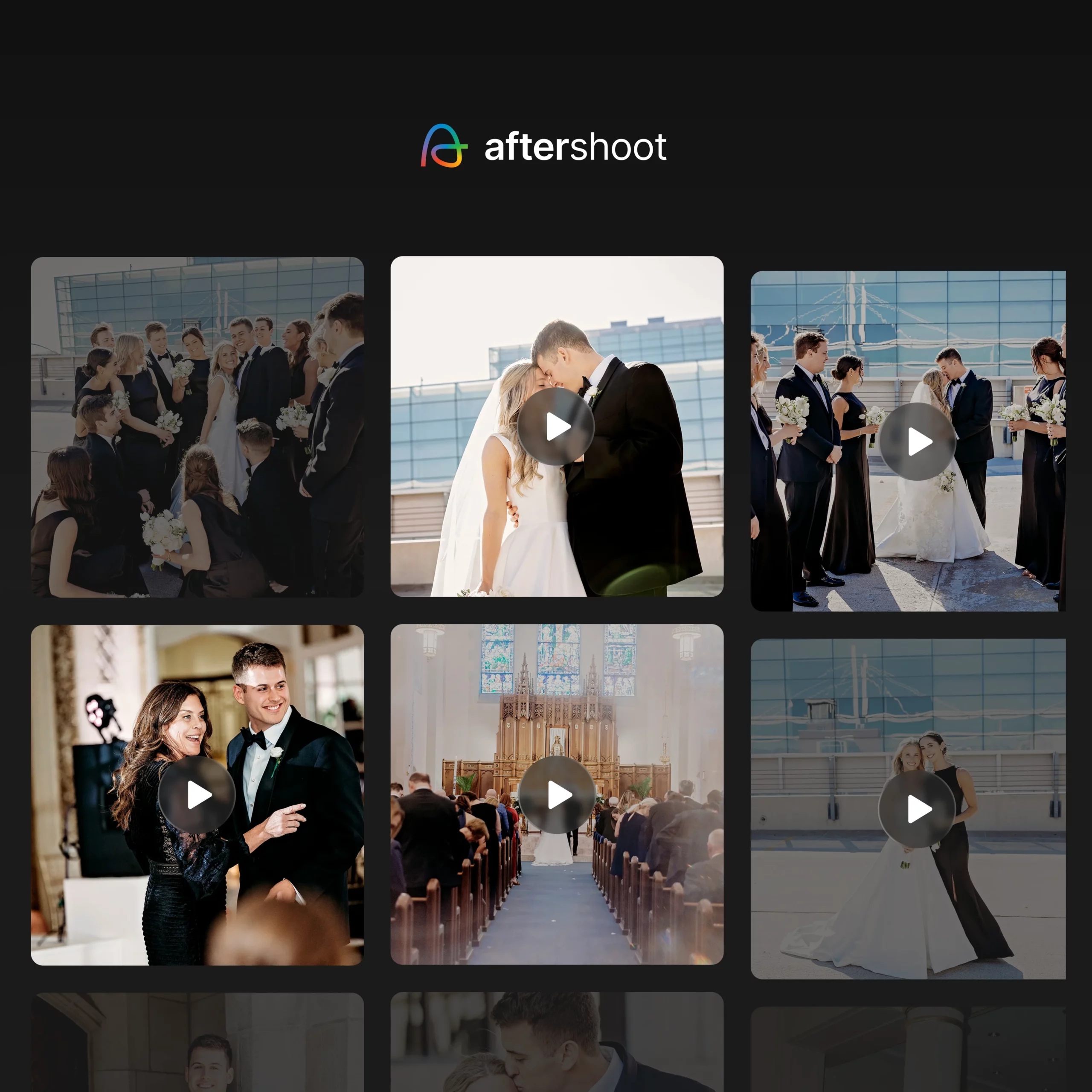
If you’re already culling and editing in Aftershoot, this removes the export-and-upload step that slows down almost every other workflow on this list. You build the gallery directly inside Aftershoot, and clients get a clean, responsive experience that handles photos and video equally well, including 4K support and embedded YouTube or Vimeo links.
The feature that actually saves hours: face scan and search. Drop a 600-photo wedding gallery in front of a client, and they can find every shot they’re in without endless scrolling. Pair that with face gating, and you’ve got a built-in privacy layer for large guest lists, without manually sorting anything yourself.
Aftershoot Galleries also connects to WHCC, Bay Photo, and Atkins Pro Labs for prints, plus supports self-fulfillment and coupons if you’d rather control pricing yourself. A centralized dashboard shows exactly what clients are doing in the gallery, views, downloads, engagement, so follow-ups become strategic instead of guesswork.
2. Pixieset
Best for: Print sales and running your whole studio from one place.
Pixieset bundles client galleries, a website builder, a CRM, and a print store into a single platform. It’s a solid choice if you want to sell prints without stitching together three separate tools.
3. Pic-Time
Best for: Photographers who want a gallery that looks custom-built.
Pic-Time’s design flexibility lets you build something closer to a branded microsite than a generic template. Favoriting, slideshows, and a built-in store round out the feature set.
4. ShootProof
Best for: Photographers who prioritize print fulfillment above all else.
ShootProof’s strength is its lab partnerships, which makes it a natural fit if physical product sales matter more to your business than gallery aesthetics.
5. SmugMug
Best for: High-volume photographers who need unlimited storage.
SmugMug doubles as a client gallery and a public portfolio, with storage limits that won’t force an upgrade every time your shoot count climbs.
6. Picflow
Best for: A gallery that feels editorial, not e-commerce.
Picflow keeps its interface minimal and fast, which suits photographers who want the gallery itself to feel like part of their brand story.
7. CloudSpot
Best for: Photographers just starting out.
CloudSpot’s free tier and low-cost plans make it a natural first step before investing in a premium platform. It still covers password protection, downloads, and basic branding.
8. Picdrop
Best for: Fast proofing before final delivery.
Picdrop’s real-time commenting and selection tools work well when you need client feedback before you’ve locked the final edit.
9. Google Drive or Dropbox
Best for: Speed over presentation.
Cloud storage links remain common for corporate shoots or quick turnarounds where branding isn’t the priority. The tradeoff: no analytics, no favoriting, and a delivery experience that feels generic.
10. WeTransfer
Best for: One-off file transfers.
WeTransfer works when you just need to send a batch of files fast, no gallery setup required. It’s free under 2GB, with paid plans for larger transfers.
Comparing the Top Platforms to Share Galleries with Clients
| Platform | Best For | Standout Feature |
| Aftershoot Galleries | Editing-to-delivery workflow | AI face search, face gating, native Aftershoot integration |
| Pixieset | Print sales | Built-in store, website builder, CRM |
| Pic-Time | Design flexibility | Highly customizable layouts |
| ShootProof | Print fulfillment | Lab integrations |
| SmugMug | High-volume storage | Unlimited storage, portfolio hosting |
| Picflow | Modern UX | Clean, minimal interface |
| CloudSpot | Budget | Free tier available |
| Picdrop | Proofing | Real-time client commenting |
| Google Drive/Dropbox | Speed | Free, fast, familiar |
| WeTransfer | One-off transfers | No account needed, 2GB free |
How to Choose the Right Platform for Your Business
A few quick questions narrow this down fast.
- Do you already edit in Aftershoot? Aftershoot Galleries removes the export-upload step entirely.
- Do you sell prints? Aftershoot Galleries, Pixieset, and ShootProof all offer strong lab integrations.
- Do you shoot large weddings or events? Face scan and face gating handle guest privacy and image discovery at a scale manual sorting can’t match.
- Are you just getting started? CloudSpot or a free cloud storage plan gets you moving without upfront cost.
- Do clients need to weigh in before final delivery? Picdrop and Aftershoot Galleries both support commenting and favoriting during proofing.
The Real Fix Isn’t Just the Platform
No gallery tool compensates for a slow editing workflow. Culling and editing speed determines how fast you can even get to the upload stage, and that’s the bottleneck most photographers actually need to solve. Building your gallery inside the same tool you already edit and retouch in, rather than exporting to a fourth platform, is what turns delivery from a chore into a repeatable system that works the same way every single time.
Looking to tighten up other parts of your client workflow? Check out our guides on photography contracts and photography insurance.
Frequently Asked Questions
What is the best way to share photos with clients?
The best way to share photos with clients is through a dedicated online gallery platform like Aftershoot Galleries, Pixieset, or Pic-Time, since these offer branded, mobile-friendly galleries with password protection, favoriting, and download controls that plain file transfers can’t match.
What’s the best free way to share photos with clients?
CloudSpot’s free tier and cloud storage tools like Google Drive or Dropbox are the most common free options, though they lack branding, analytics, and client proofing features found in paid gallery platforms.
How do professional photographers deliver photos to clients?
Most professional photographers deliver photos through client gallery platforms that support high-resolution downloads, custom branding, and password-protected access, often paired with a personal follow-up email rather than a bare download link.
Is Dropbox or Google Drive good for sharing client photos?
Dropbox and Google Drive work for fast, low-touch delivery, but they don’t offer branding, favoriting tools, or engagement analytics, making them better suited as a backup than a primary gallery solution.
How long should a client gallery stay active?
Most photographers set gallery expiration between 30 and 90 days, giving clients enough time to download images while encouraging timely engagement; this window is usually configurable in the platform’s settings.
Can clients order prints directly from an online gallery?
Yes, platforms like Aftershoot Galleries, Pixieset, and ShootProof integrate directly with print labs, letting clients order prints and products without leaving the gallery.
What’s the difference between a client gallery and a proofing gallery?
A client gallery is built for final delivery, while a proofing gallery is designed for client feedback and selection before final edits are locked, with tools like commenting and favoriting built specifically for that stage.
Which client gallery platform integrates with editing software?
Aftershoot Galleries integrates directly with Aftershoot’s editing workflow, letting photographers create and share a gallery without exporting to a separate platform, which most other gallery tools require.
How do I keep client photo galleries secure?
Password protection, download limits, and gallery expiration dates are the standard security features across most platforms, and photographers should avoid public link-sharing for any gallery containing sensitive content.
Can clients find themselves in a large gallery without scrolling through everything?
Yes, Aftershoot Galleries uses AI-powered face scan and search to let clients filter and locate every photo they appear in instantly, which is especially useful for large weddings or events with hundreds of guests.