
One of the biggest pieces of advice I received at the beginning of my career was to be really good at what no one else is doing.
I spent the beginning of my career asking the same questions:
- What camera is everyone shooting?
- What style is everyone using?
- What editing style is most popular?
- What lenses is everyone using?
I kept thinking the answers were out there..somewhere in everyone else’s gear list. But the more I chased that, the more my work started to look like everyone else’s. I realized I was just “playing it safe.”
I should have done the exact opposite.
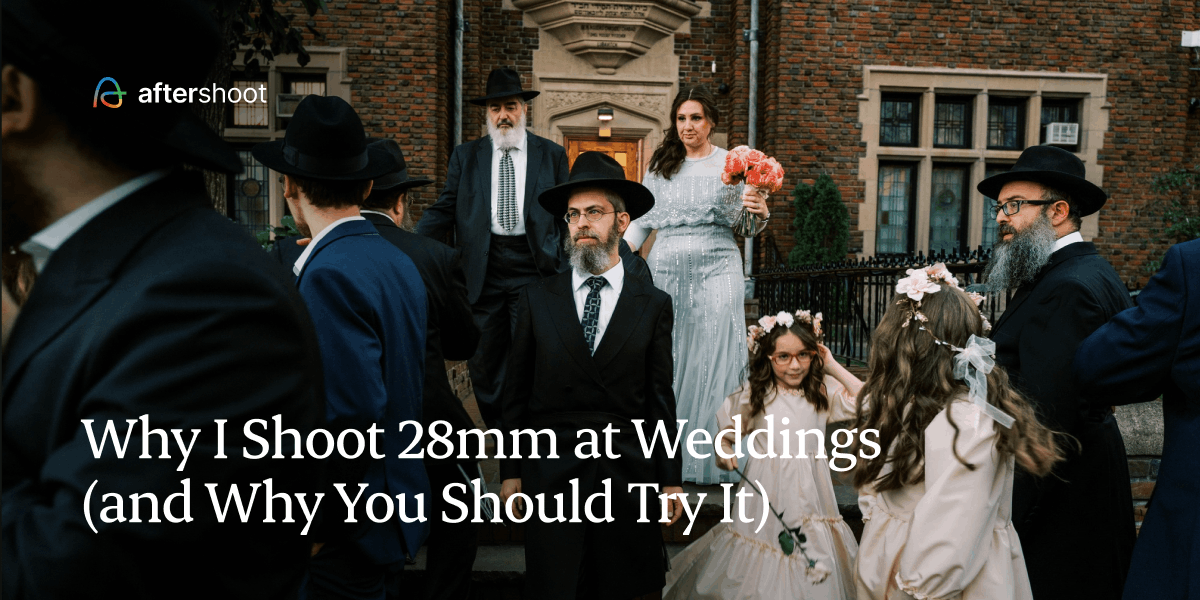
Today, I’m going to tell you about one of the most important lenses that I have added to my kit. One I could not photograph without.
The incredibly underrated yet powerful 28mm focal length.
Everybody is so focused on the same focal lengths: 24, 35, 50, 85.
If you ask most photographers nowadays, they will probably tell you that they mostly use two of these focal lengths as a combination when completing assignments or weddings.
And while they are GREAT focal lengths, I’m going to try and convince you why the 28mm lens is an essential part of photography, specifically when it comes to:
- Composition
- Storytelling
- Getting out of your comfort zone.
COMPOSITION
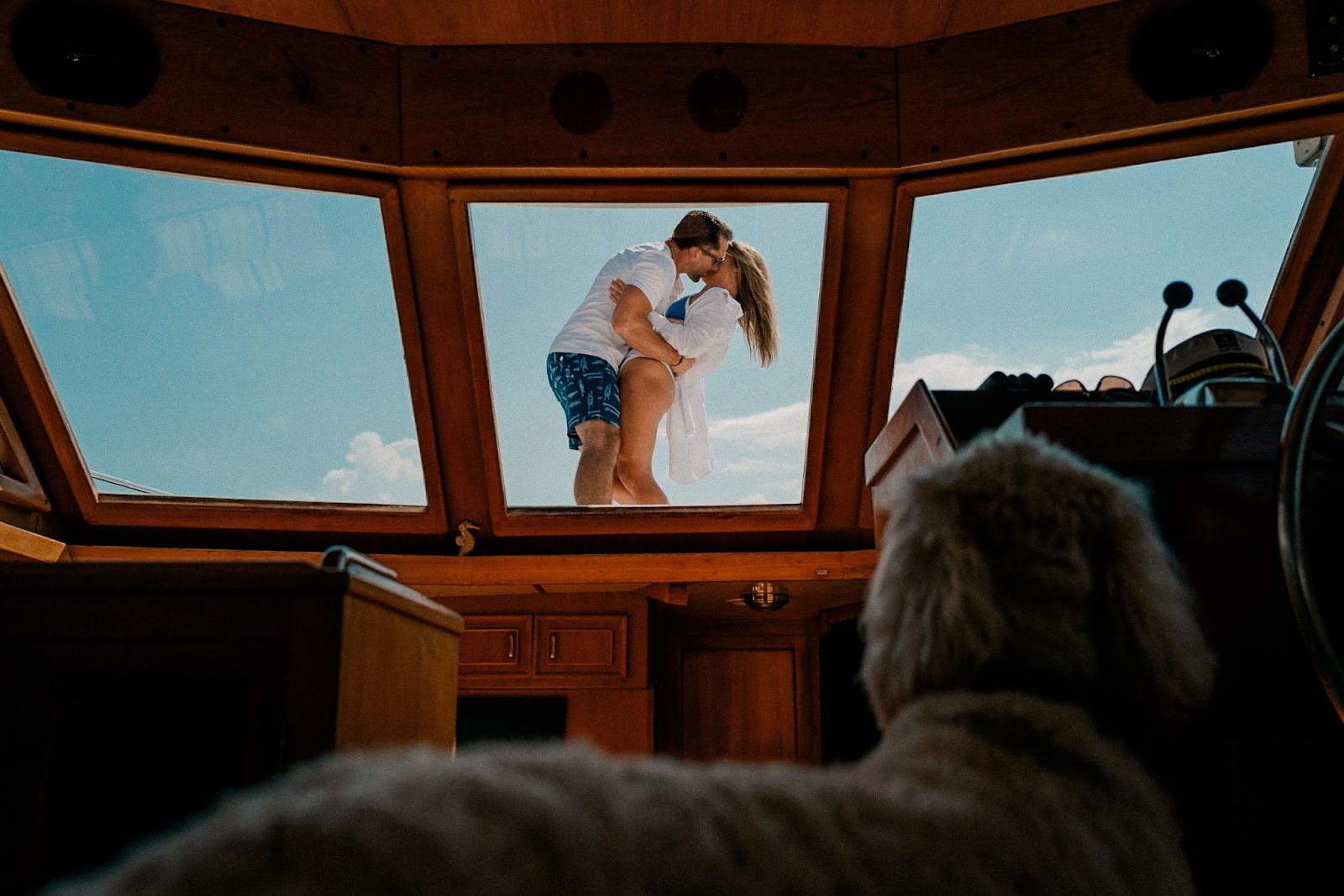
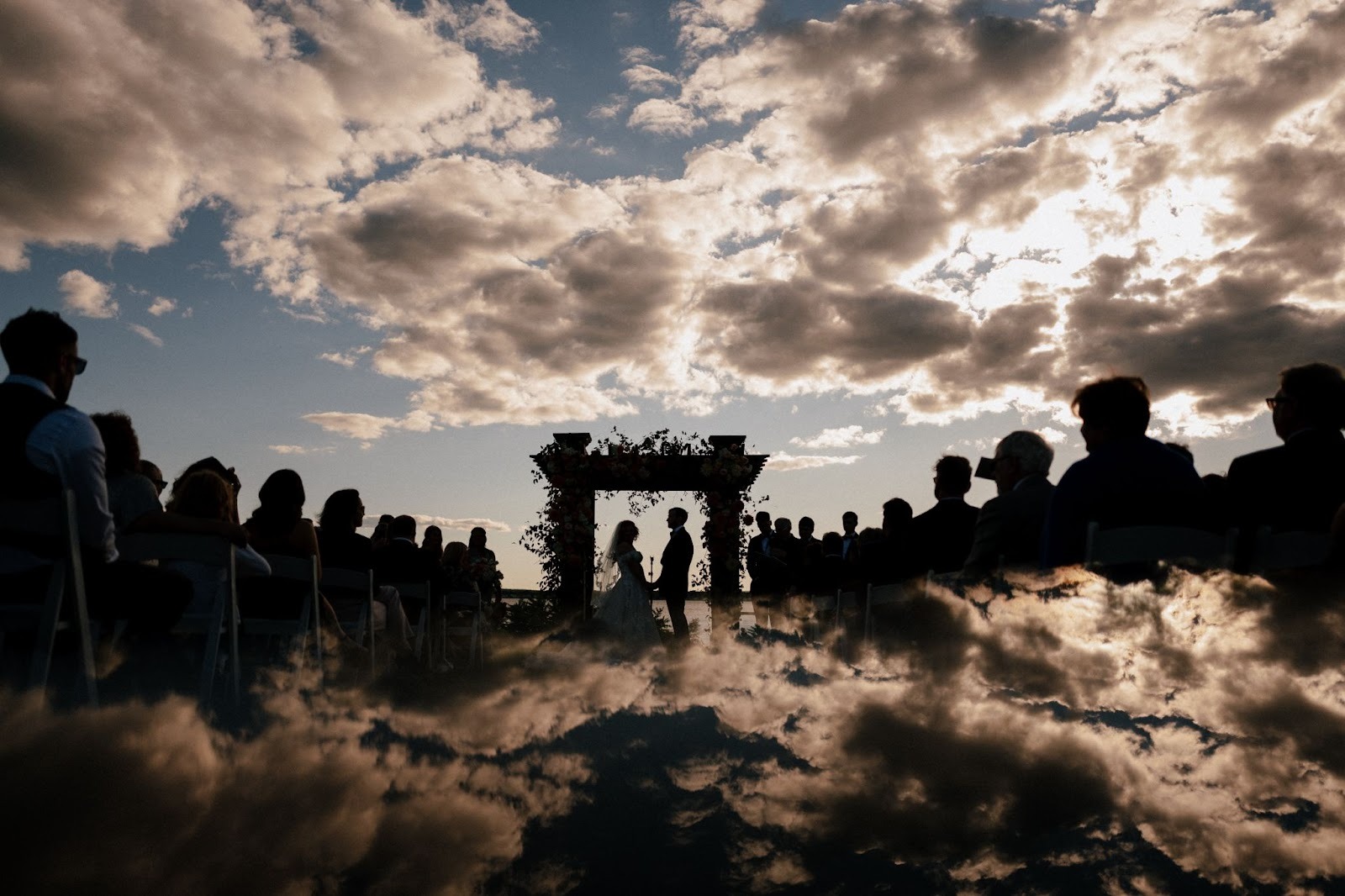
I’m absolutely obsessed with composing images in a way that gives weight to things other than just my subject; and 28mm is a huge part of that.
When my viewfinder goes up to my eye, I’m thinking about the background. I’m thinking about architecture. I’m thinking about symmetry. I’m thinking about how all of it fits together. And I’m trying to line things up so the frame feels clean and intentional.
That’s why 28mm works incredibly well. It gives me enough scene to read the background and clean up the frame, without going so wide that it starts feeling messy.
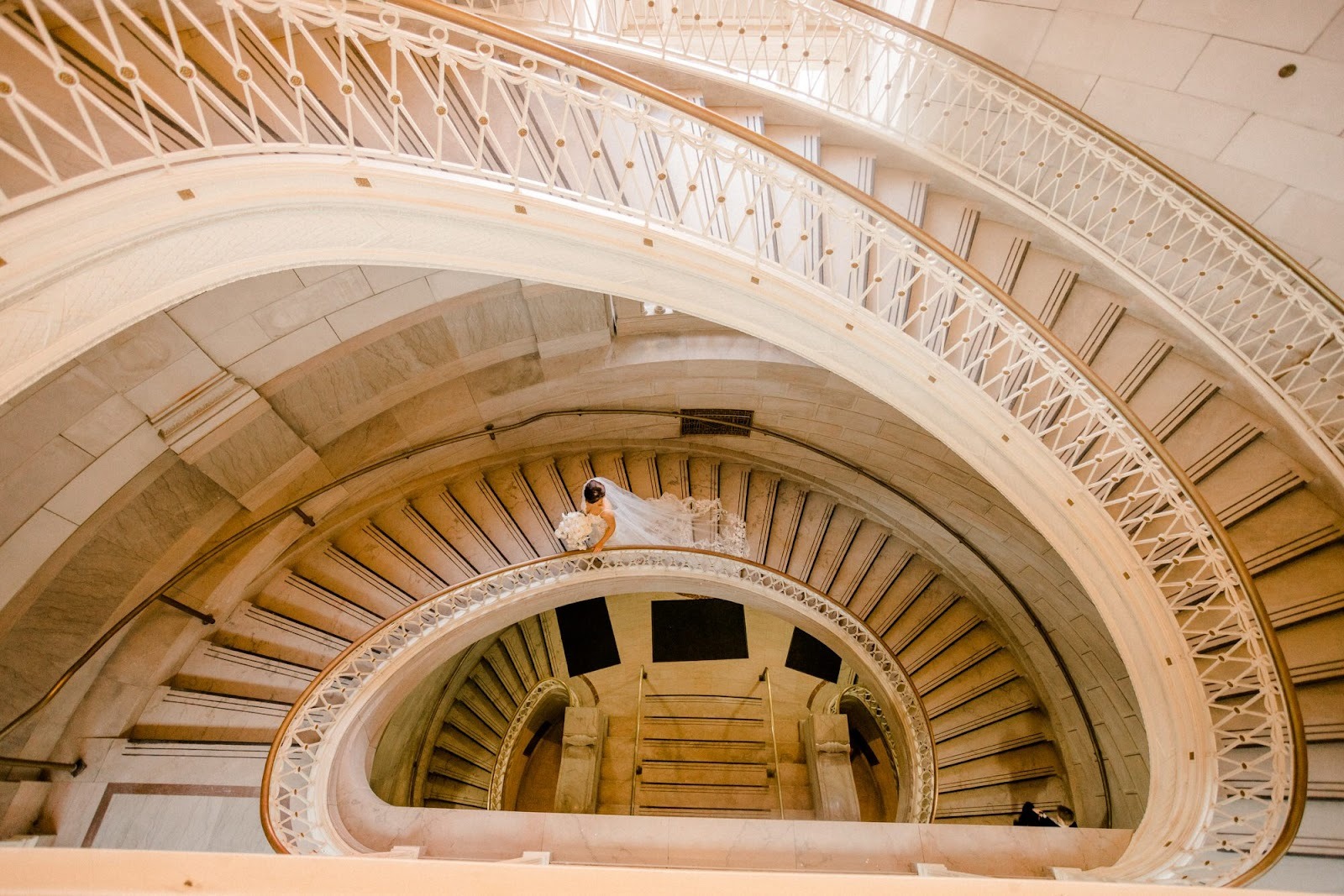
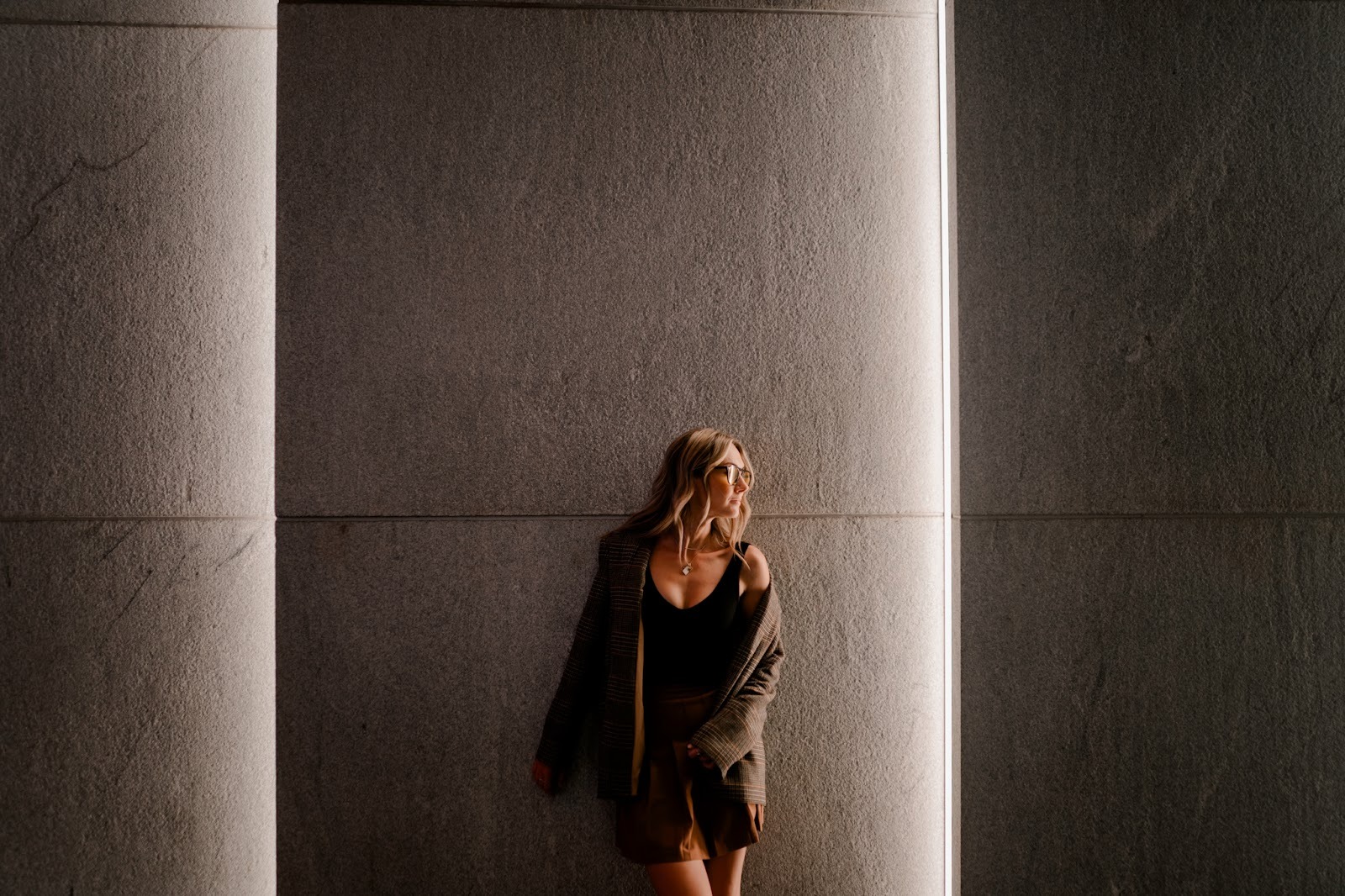
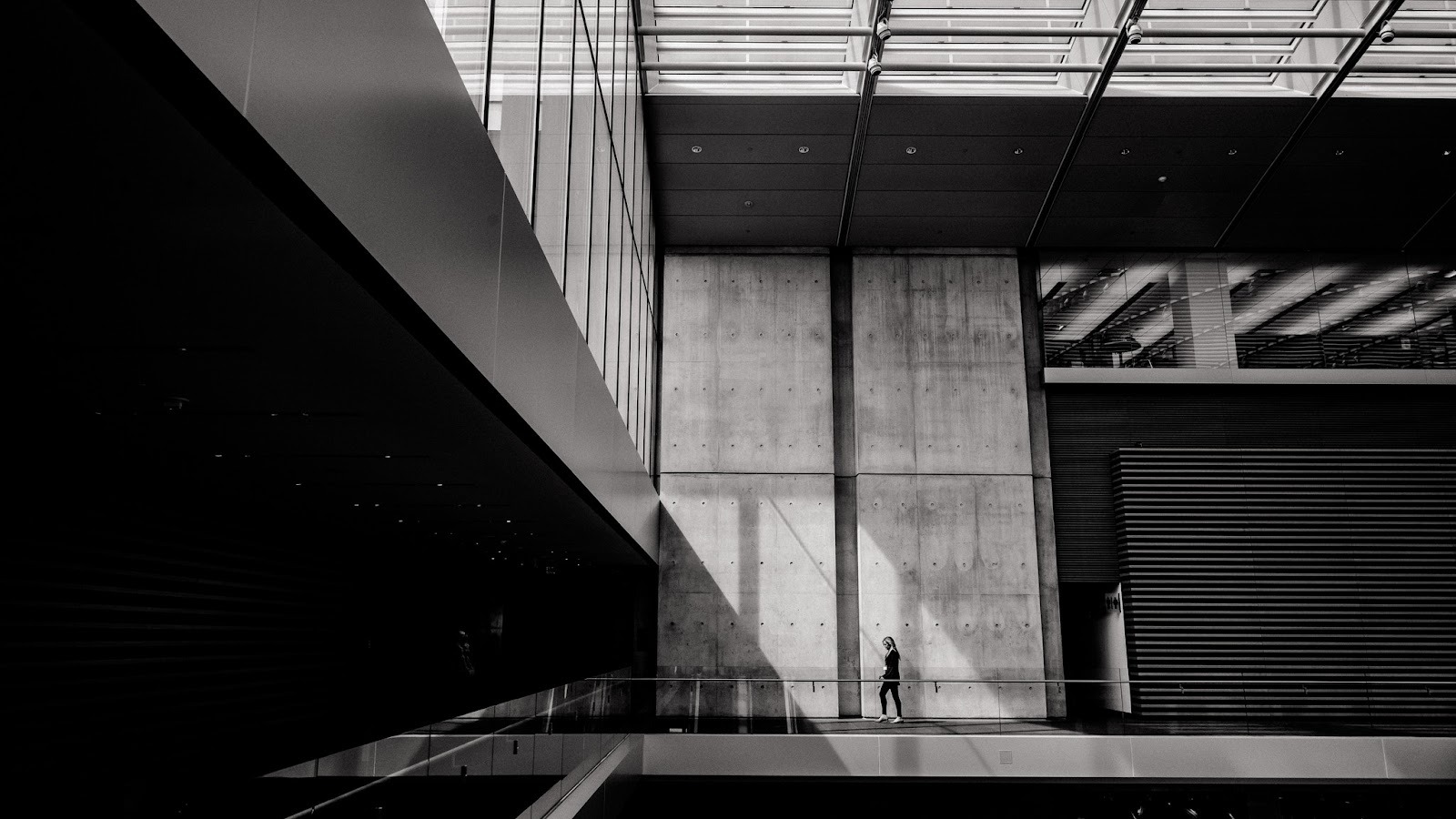
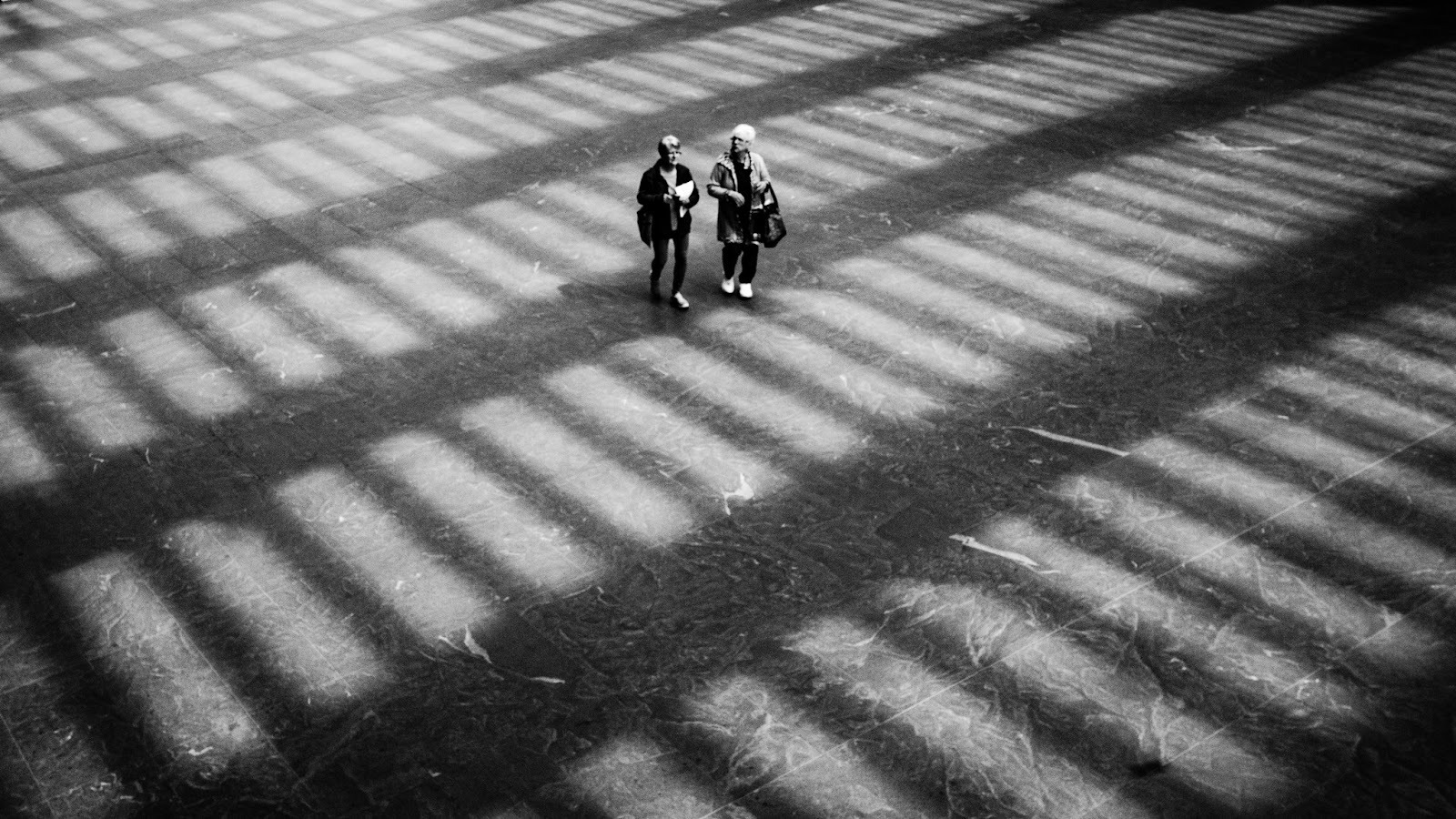
It’s not so wide that you’re constantly fighting distortion like you might with a 24mm—skewed lines, stretched edges, distractions. But it’s also not as tight as a 35mm, which (in my opinion) can make it harder to build a frame around symmetry and space.
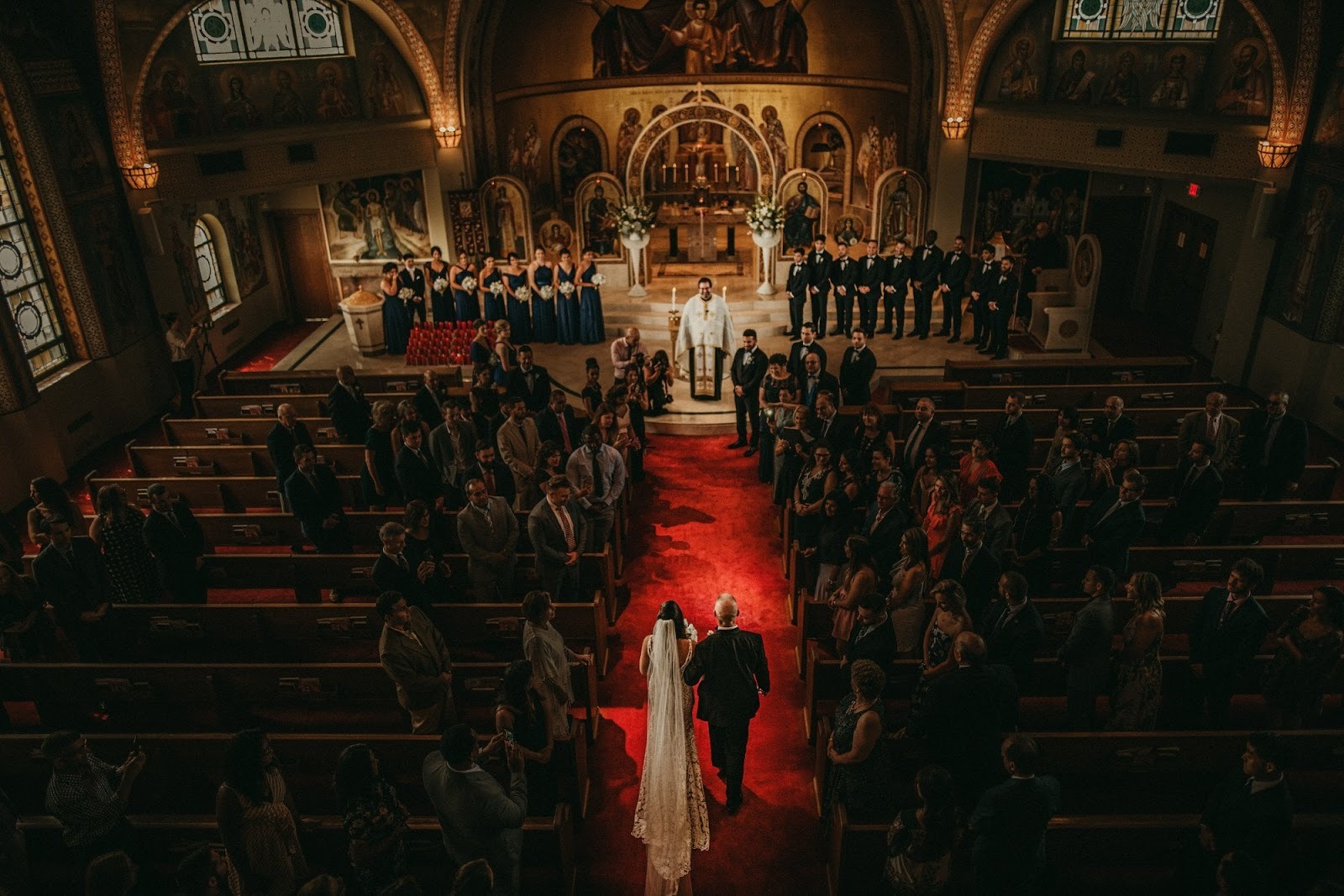
If you want to see what I mean, here’s your homework: Go watch a Wes Anderson film. Pay attention to the symmetry and framing. Every frame is so intentional it feels like the set was built for the camera.
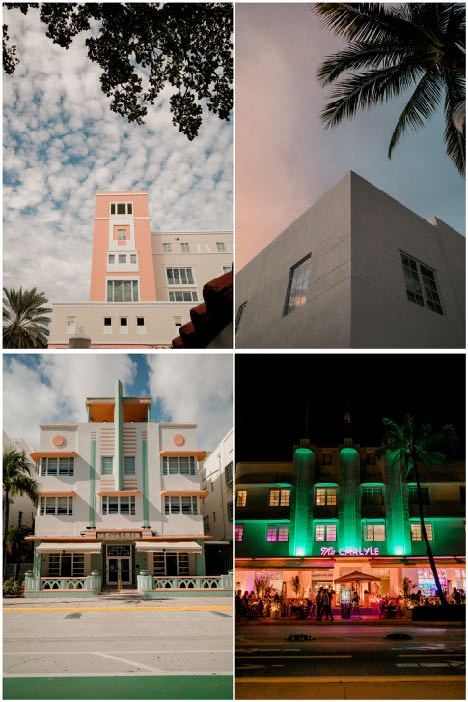
And if you do a quick Google search, you’ll see Wes Anderson’s preferred focal length is a 40mm anamorphic lens. I won’t get into the intricacies of anamorphic lenses here, but they land pretty close to that 24–28mm equivalency range.
STORYTELLING
AHH…My favorite thing about wedding photography and honestly, something that has completely transformed my love for it, especially since bringing 28mm into my work.
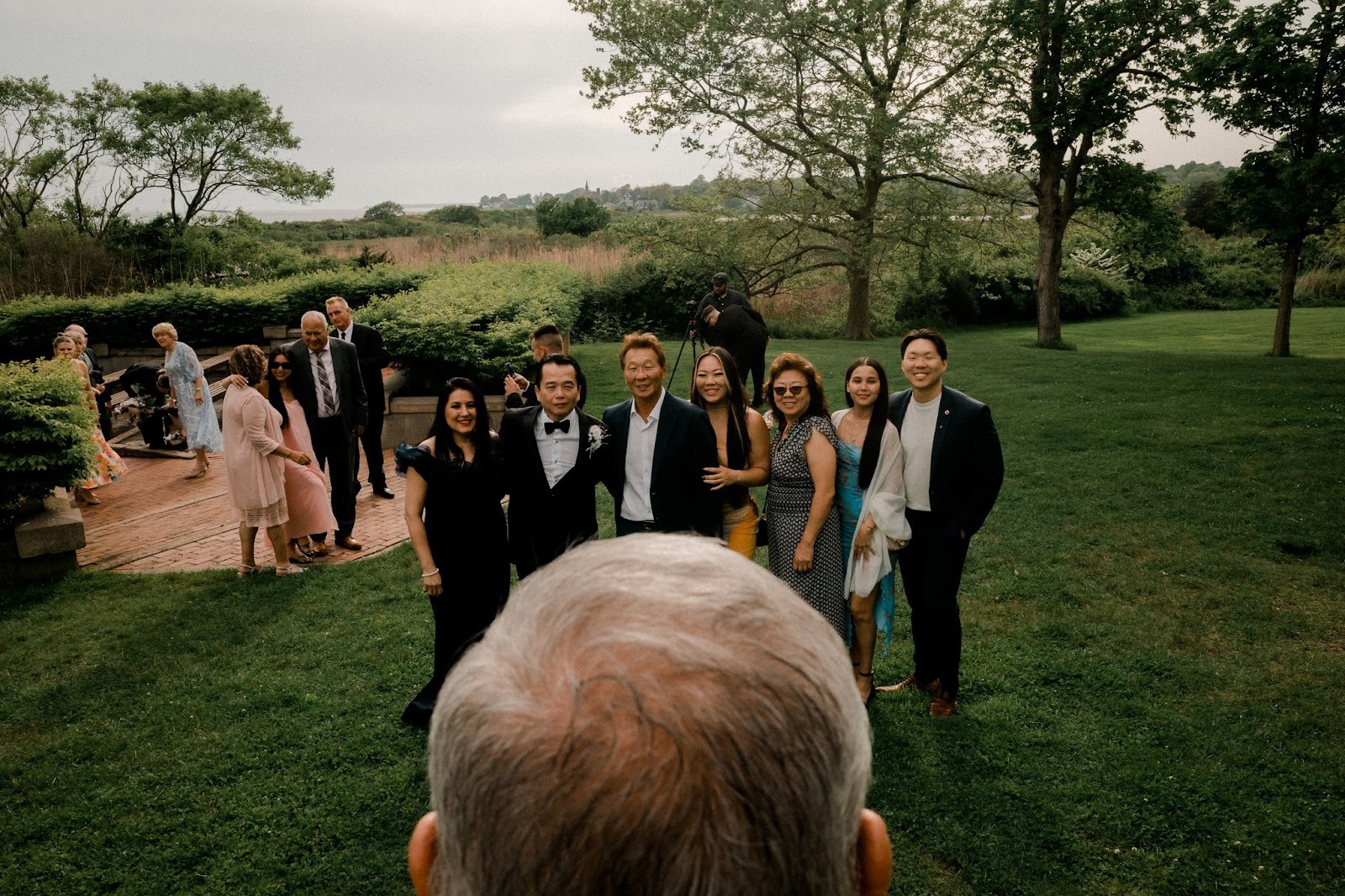
During weddings—mostly during cocktail hour, or those “in between moments”—I love walking around inconspicuously with a single camera and a 28mm lens. And sometimes, I’ll go even lighter: just my trusty Ricoh GR3 (a point-and-shoot) so I can capture cocktail hour without distractions or massive gear swinging around my shoulders.
Now, how do I use the 28mm focal length to my advantage during this part of the day?
Here’s my cocktail-hour photography cheat sheet:
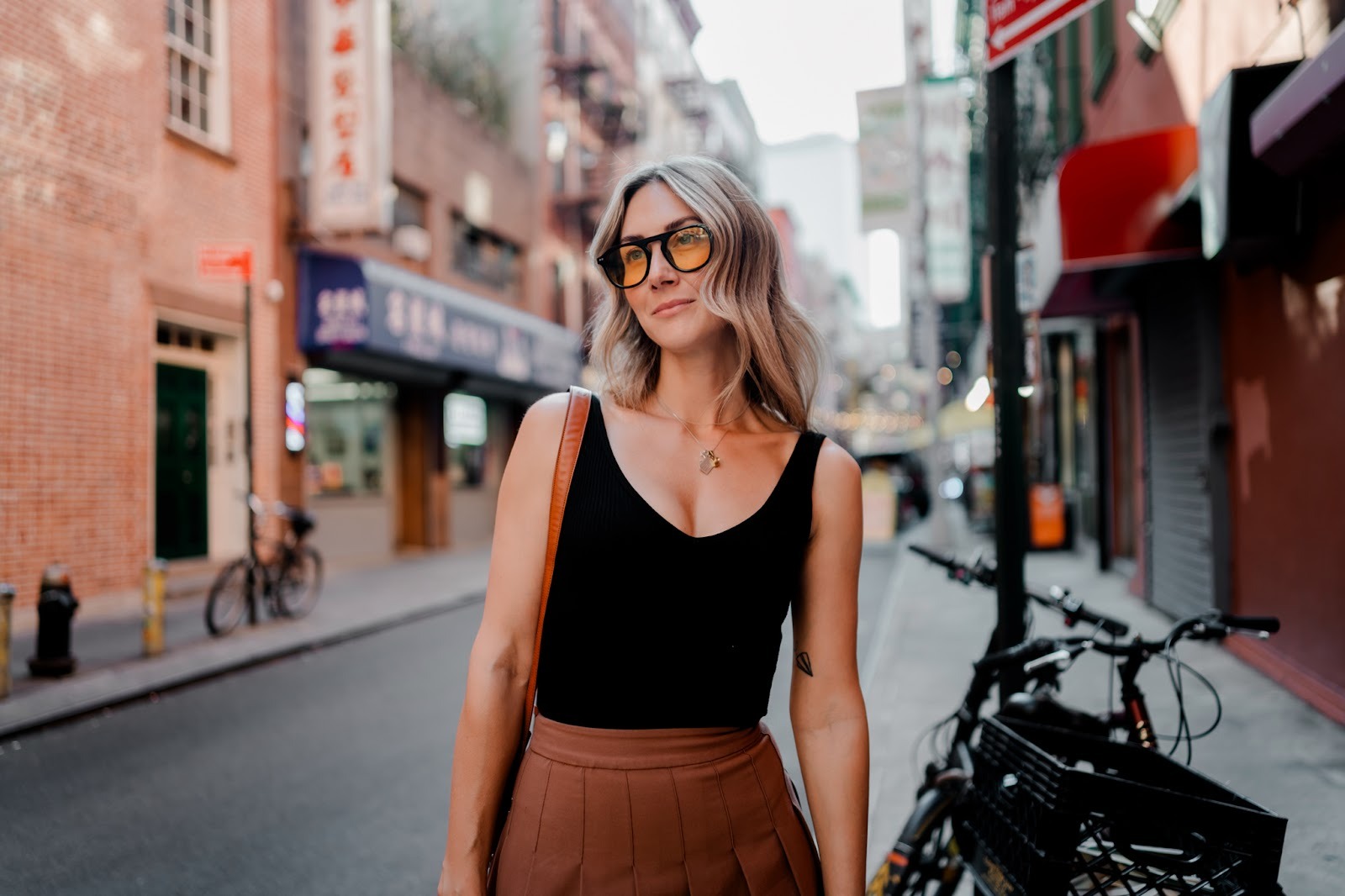
- Set my camera to f/8, Auto ISO and Auto shutter speed. This allows me to be in the moments and not focus on settings so much. It also gets me away from wanting to photograph everything at wide open apertures. Because, while a thin depth of field can be beautiful to look at, it often kills storytelling.
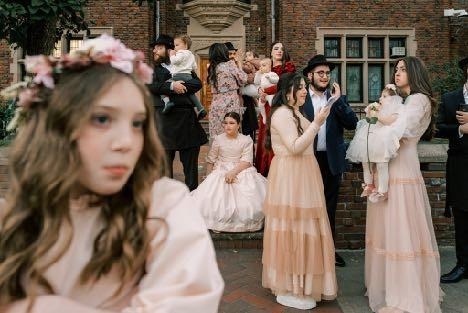
- Pick an interesting subject. I generally look for someone standing by themselves, or someone with an interesting outfit, or anything that makes them stand out.
- Put that subject in the middle of my frame.
- Step back a few steps and capture everything around them.
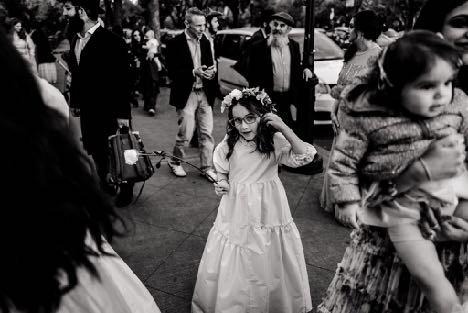
Do this enough, and you will see how much storytelling comes into your frames without even trying.
GETTING OUT OF YOUR COMFORT ZONE
Last but not least, 28mm has forced me out of my comfort zone. Now, how does it do that, you ask?
Simple…
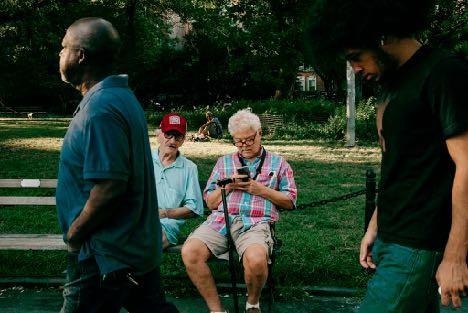
This focal length, for several situations, forces you to get closer to your subjects. The first things that come to mind are dancing photos during weddings and street photography which, weirdly enough, kind of go hand in hand if you think about it.
And obviously, you want to be respectful of people’s personal space, but it’s a powerful exercise. Practicing with strangers on the street helps me stay calm and confident during the chaos of a reception.
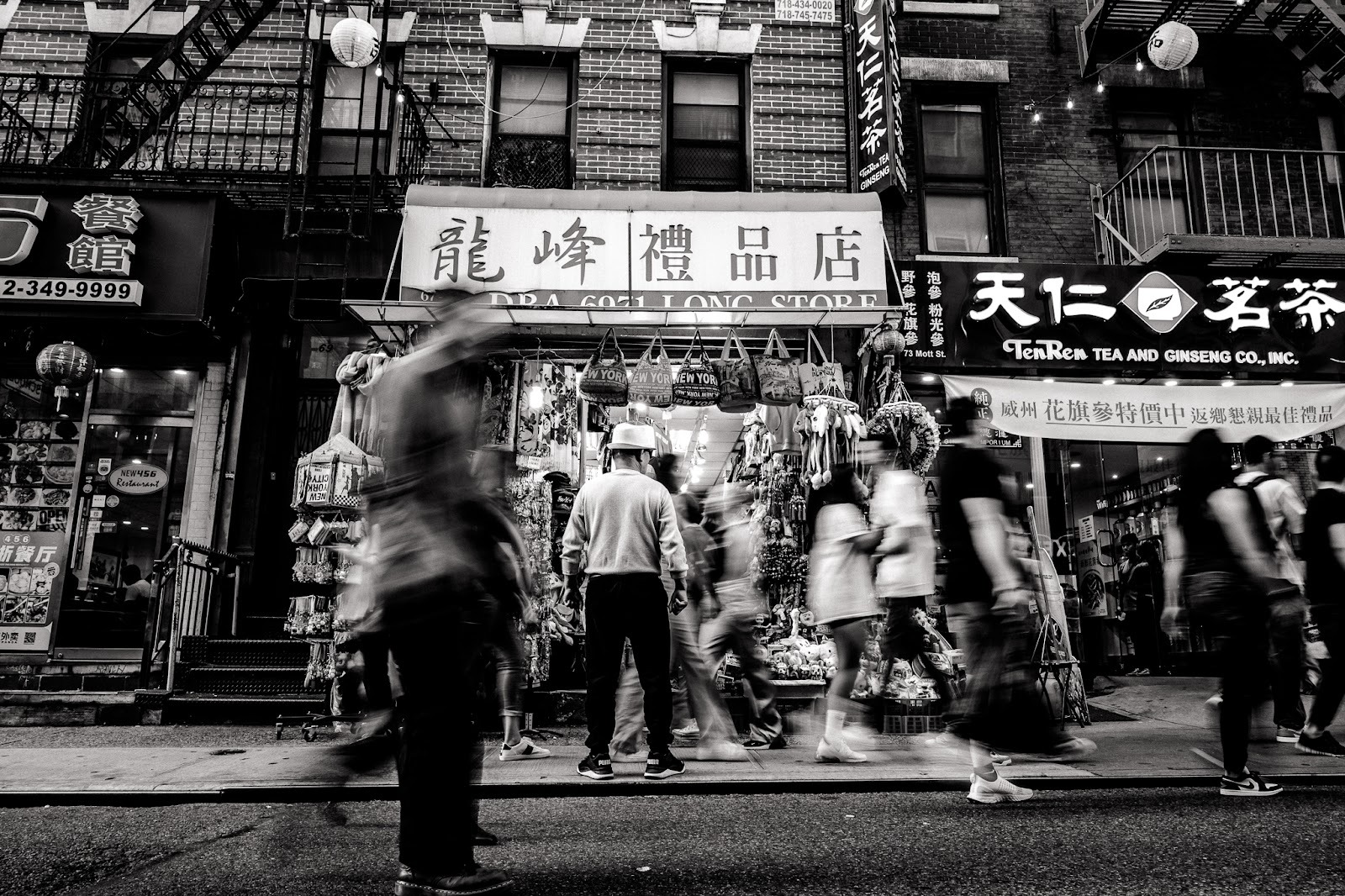
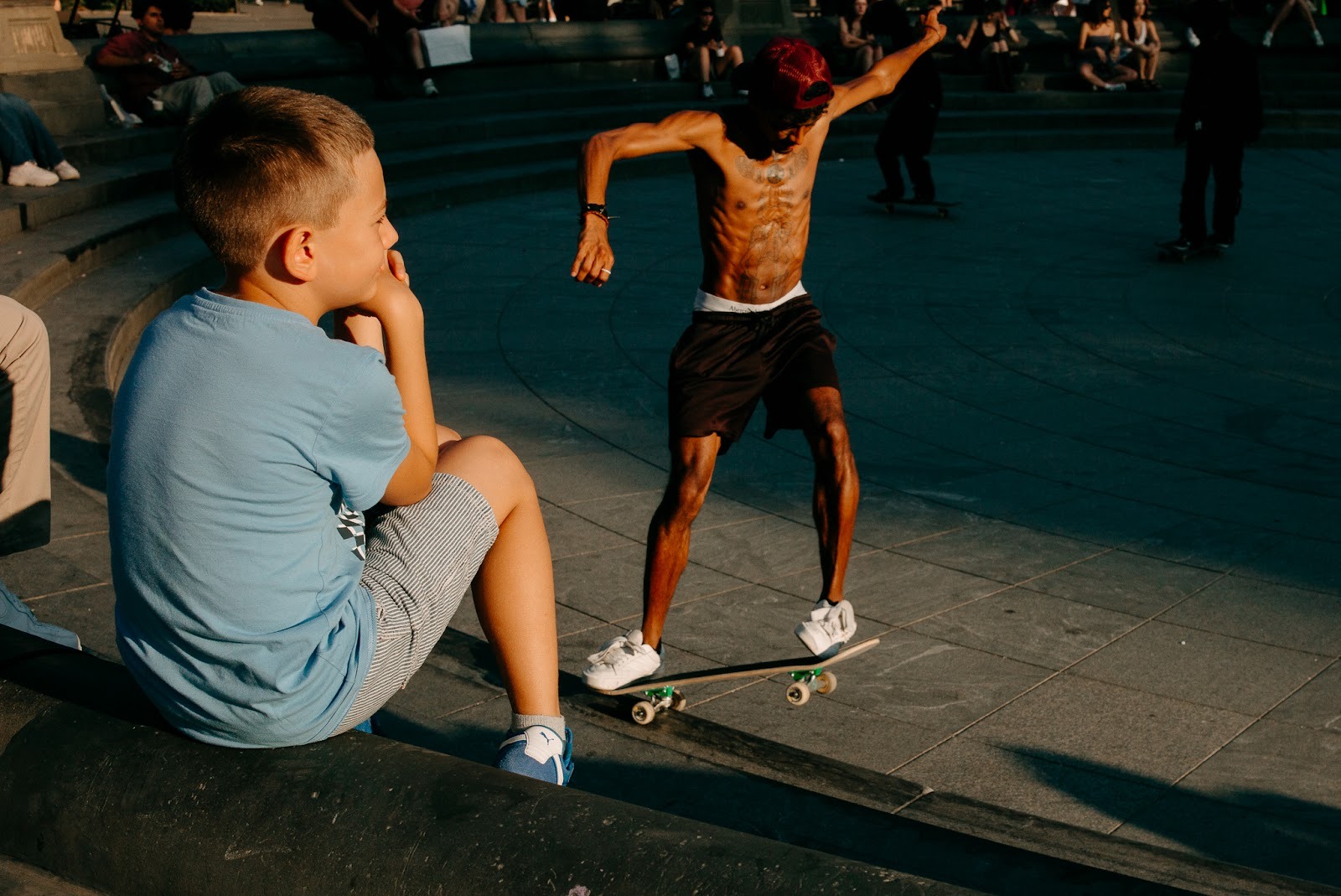
How? Because street photography trains the exact muscle you need on a dance floor.
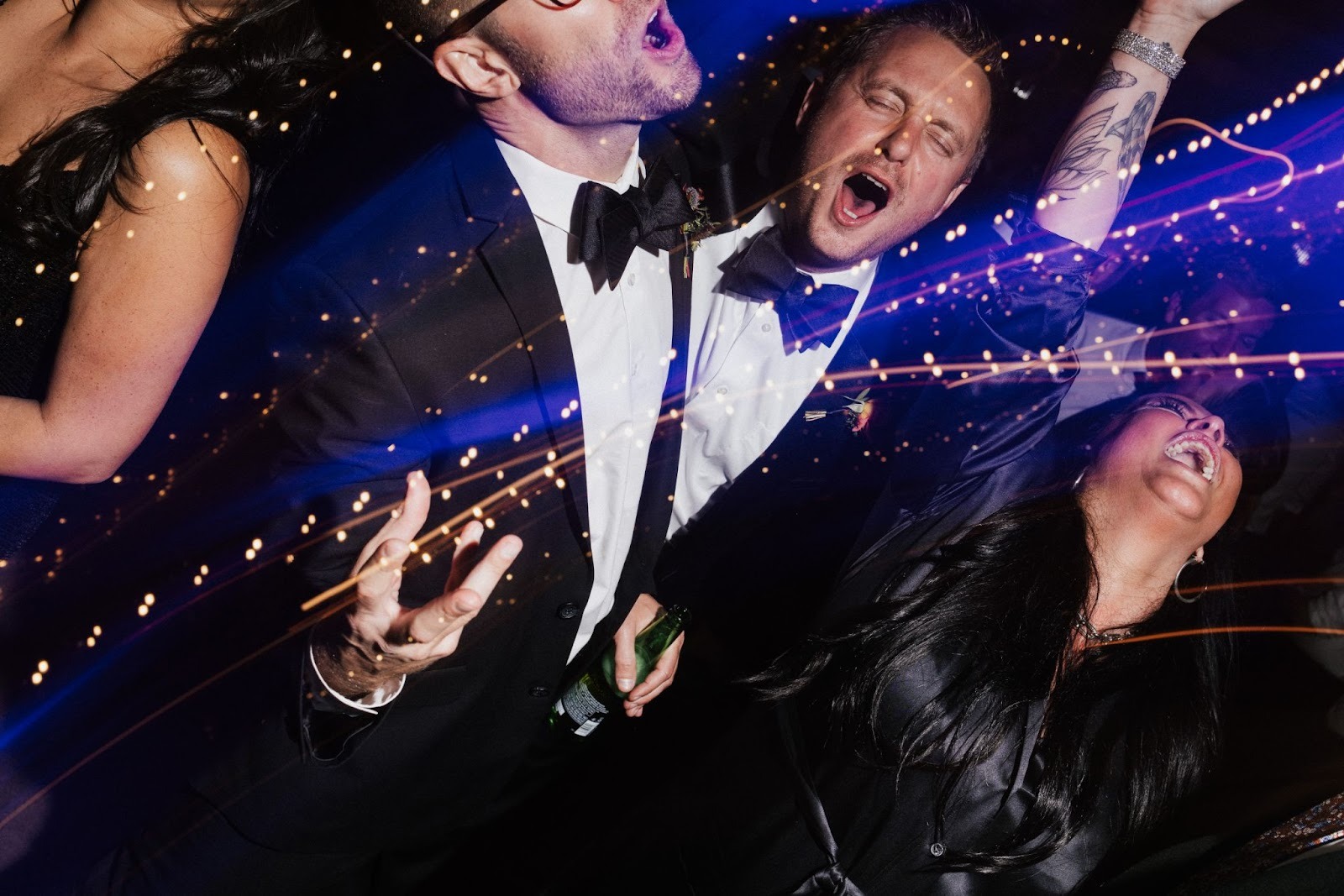
I like going out for walks in the city, and while I’m walking around, I’ll push myself to get uncomfortable enough to photograph moments that are happening up close. The closer I get, the more uncomfortable I become.
At the beginning of my career, I did NOT feel comfortable in the action of the dance floor. So I played it safe. I stuck to longer focal lengths—50mm, even a 70–200. And realistically, it wasn’t because it was the “best creative choice.” It was because I was uncomfortable getting in there.
So, as a full circle moment, while a lot of photographers are photographing with those other focal lengths, I learned that I should do what not a lot of others are doing.
I grabbed my trusty 28mm and I got into the action. It changed how I photograph; made me think harder about composition, made my frames tell better stories, and pushed me closer to real moments.
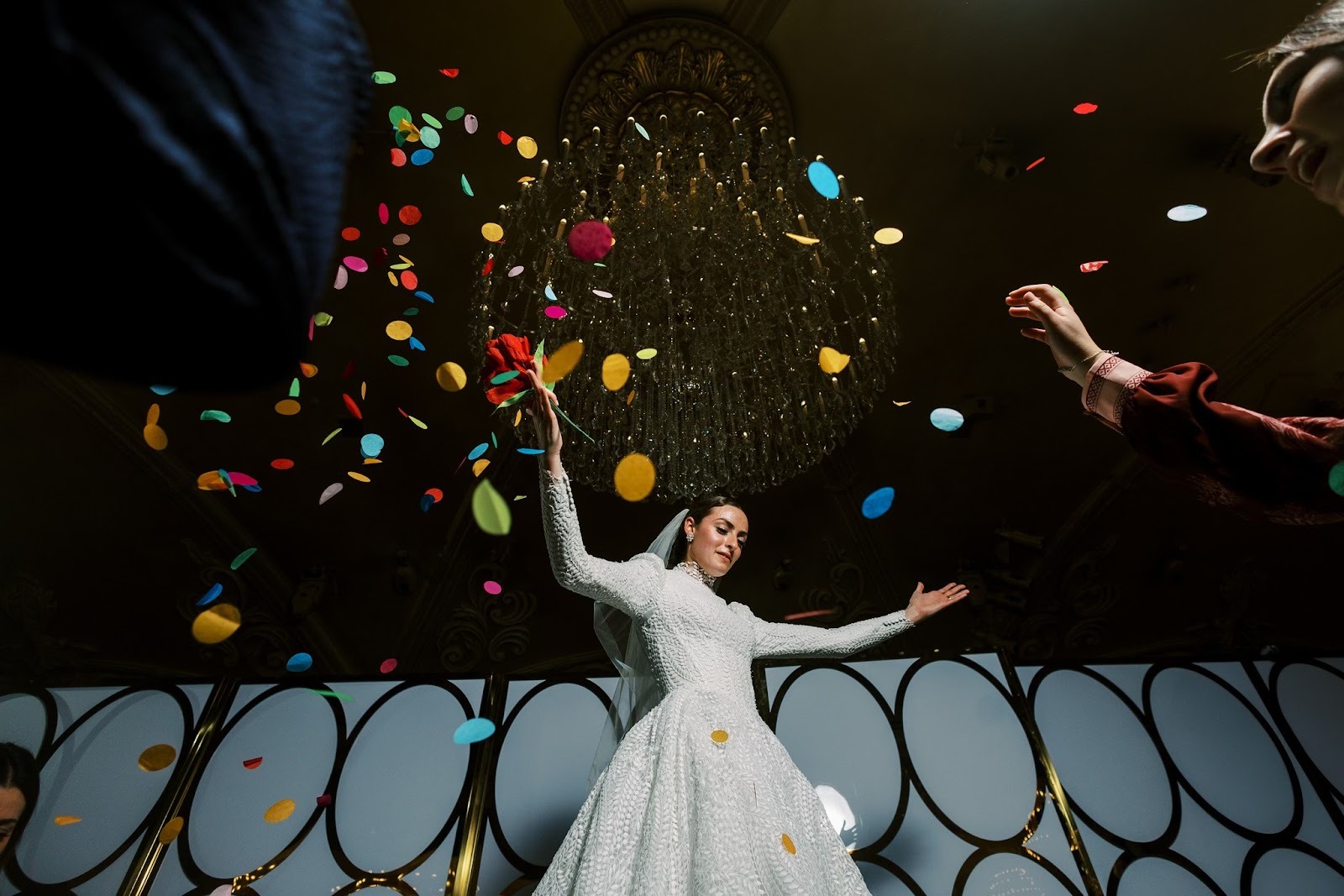
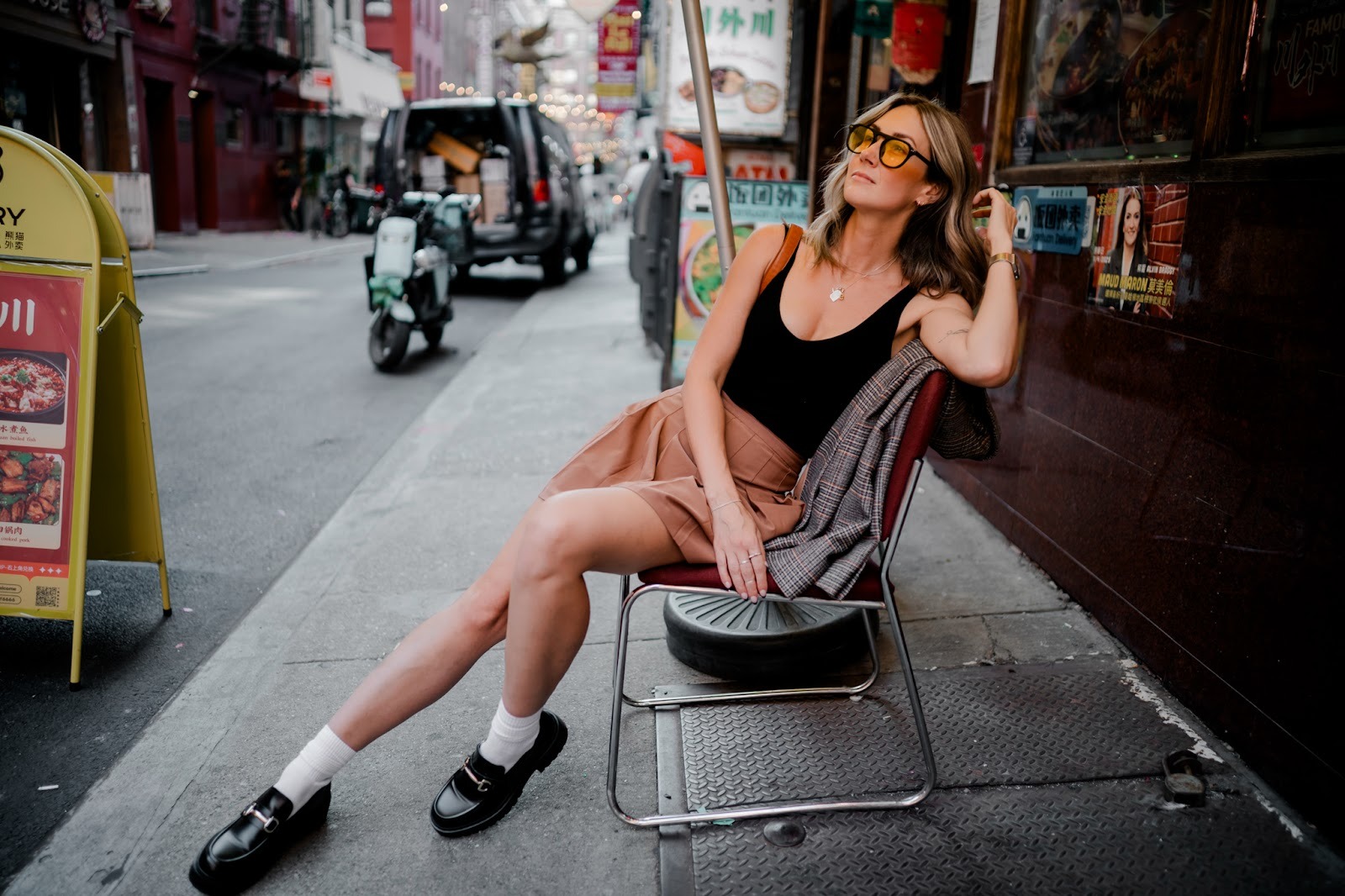
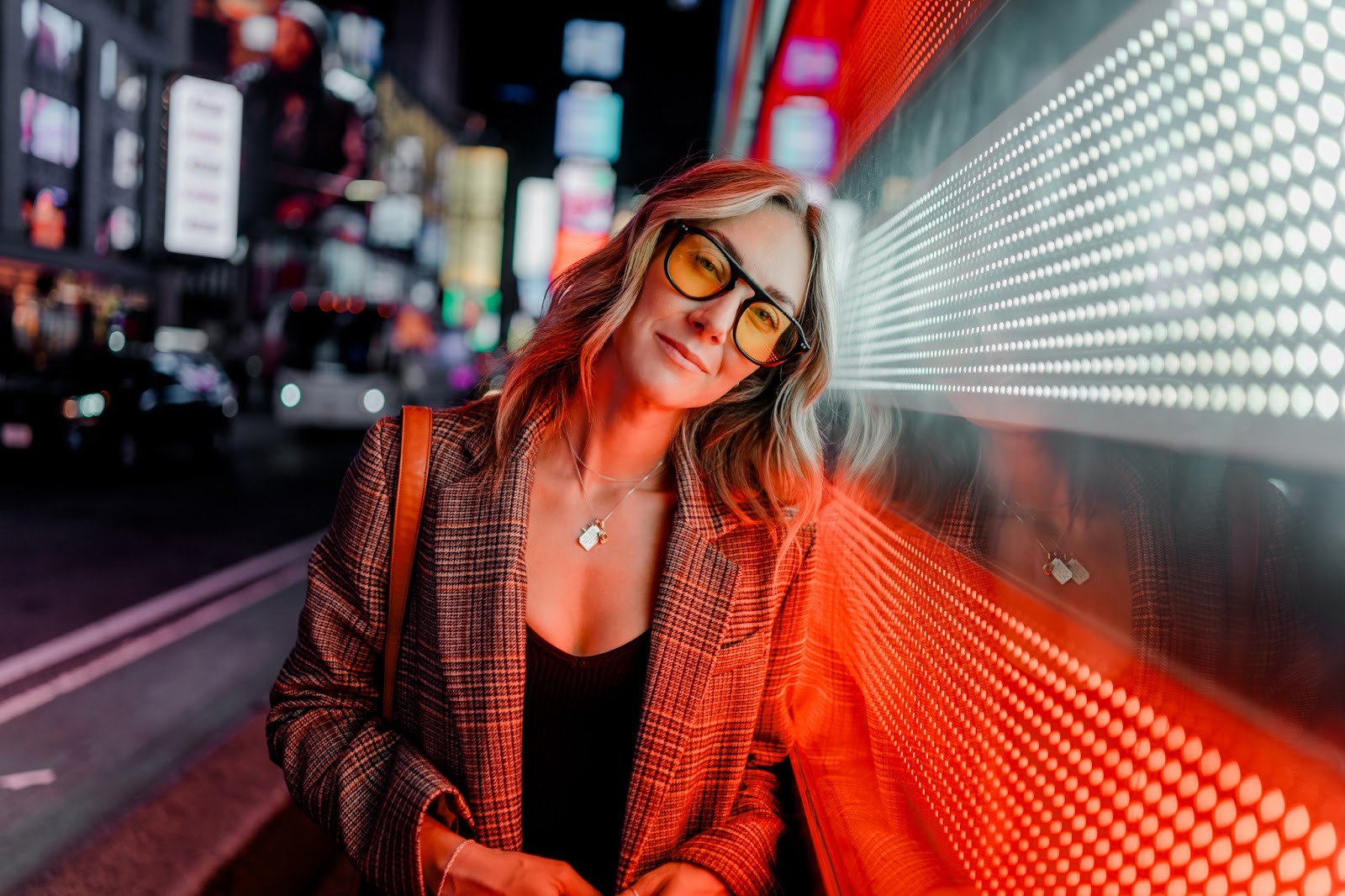
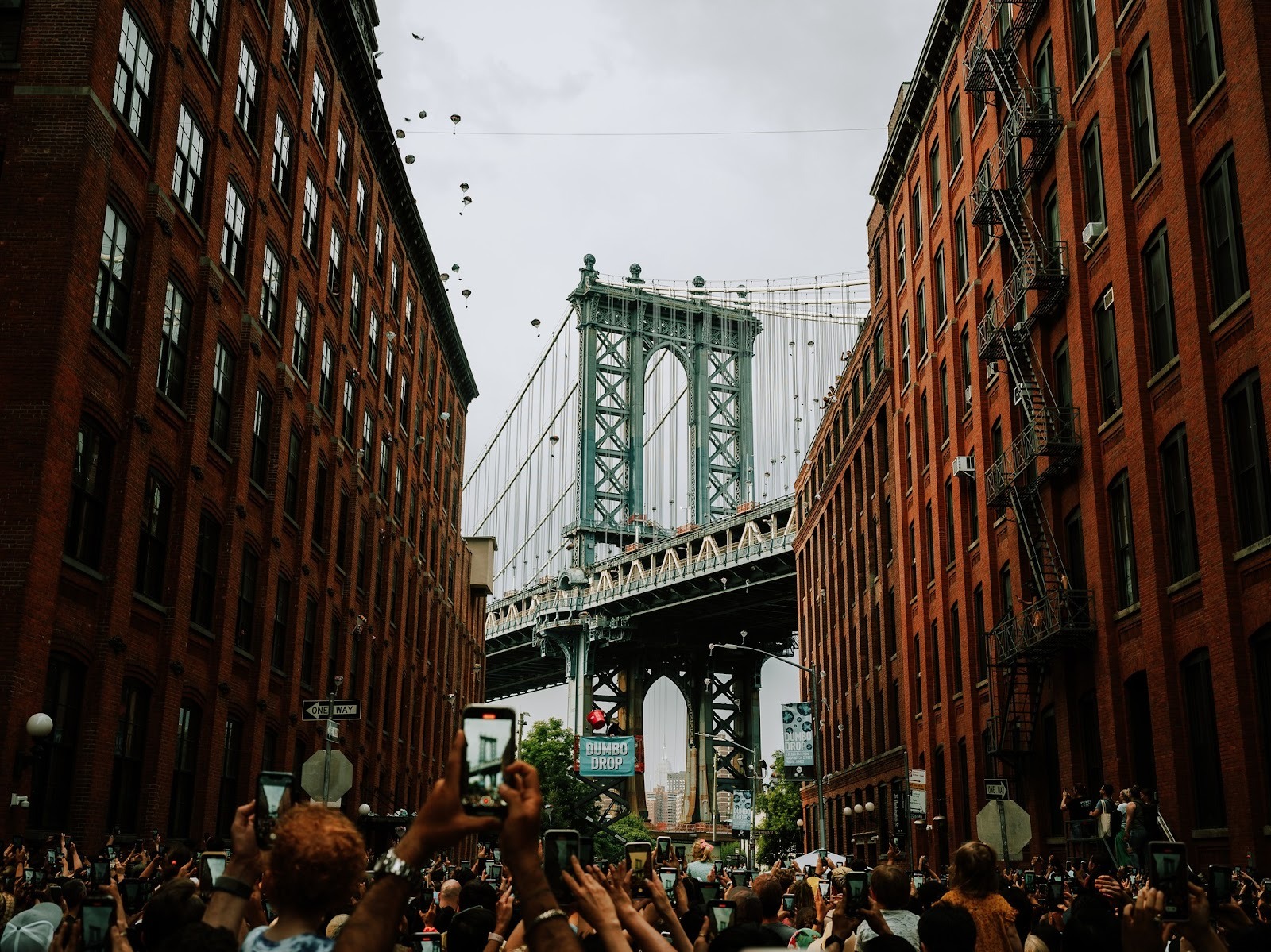
I’d rather make a frame that feels real than one that just looks safe.
And that’s it! If you want to get a more in-depth look at why I cherish this focal length so much, stay tuned to Aftershoot’s YouTube channel, we’re soon releasing a video diving into more reasons and examples of photographing with this incredible focal length!
I’d love to see what you make with 28mm!
I’m not saying 28mm is the best lens, but it is one that keeps teaching me things about composition, storytelling, and how I show up for a shoot.
I’d love to see what other photographers do with 28mm, so let’s make this a community experiment.
Next wedding (or next shoot), pick one part of the day and commit to 28mm only. Just a chunk of the day. Cocktail hour is a great place to start, and reception is where you’ll learn fast.
Try to shoot the following:
- 5 frames for COMPOSITION
Look for symmetry. Look for clean lines. Try to make the frame feel intentional. - 5 frames for STORYTELLING
Subject + space. Step back a few steps. Let the environment do some of the talking. - Some frames for ENERGY
Get close enough to feel what’s happening. Movement, chaos, real moments.
Then go home, pick your top five, and ask yourself, what did 28mm force you to notice?
If you decide to do this, post your pictures in the Aftershoot Facebook community, share your learnings, and tag me if you’d like some feedback.
Tell me what 28mm taught you. What surprised you, what felt hard, and what you’d do differently next time. I’d genuinely love to see what 28mm teaches you!
FAQs
Is 28mm good for wedding photography?
Yes. 28mm is great when you want context in the frame—where the moment happened, what was around it, and how it felt.
When should I use 28mm on a wedding day?
Cocktail hour, getting ready, wider scene-setting frames, and the dance floor. Any time the environment is part of the story, 28mm makes sense.
What’s the difference between 28mm vs 35mm for weddings?
35mm is a bit tighter and easier to “clean up” quickly. 28mm includes more of the scene, which pushes you to be more intentional with composition and usually adds more story.
Does 28mm distort people?
It can if you’re extremely close or if faces are near the edges. Keep faces closer to the center, watch the edges of the frame, and step back slightly when you need to.
Is 28mm too wide for portraits?
For tight headshots, it’s not ideal but not impossible. For environmental portraits where the setting matters, it can be perfect.
What is 28mm on a crop sensor (APS-C)?
On APS-C, 28mm is closer to a normal focal length (roughly low-40mm equivalent depending on the crop factor). The framing lessons still apply.
What settings work well for 28mm candid photos?
A simple starting point is f/8 with Auto ISO and Auto shutter speed so you can stay present, then adjust based on light and motion.
How do I get better at 28mm quickly?
Give yourself reps. Check corners, keep vertical lines clean, and move your feet instead of relying on a tighter lens.